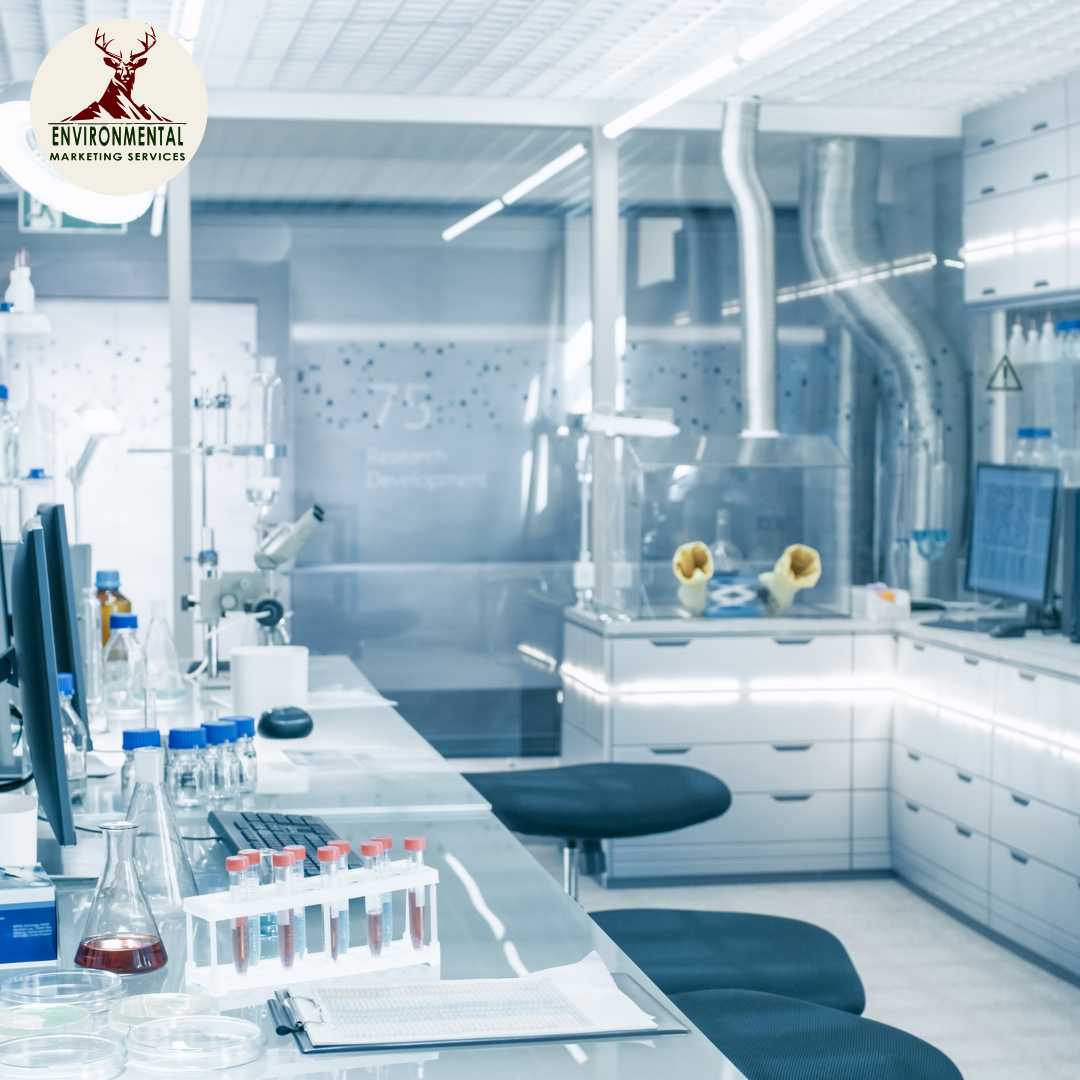
Proper waste disposal in laboratories plays a crucial role in maintaining a safe and efficient work environment. Laboratories often generate various types of waste, each requiring specific disposal methods to prevent harm to individuals and the environment. Whether handling chemical substances or biological contaminants, effective waste management protocols help in minimizing risks to health and safety.
When waste is not managed correctly, it can lead to serious issues, including contamination, health hazards, and regulatory violations. Effective waste management not only safeguards laboratory staff but also promotes operational efficiency by ensuring that the workspace remains orderly and compliant with regulations. Implementing structured waste disposal practices protects everyone involved and strengthens the lab’s daily operations.
Identifying Types of Laboratory Waste
Laboratories produce several types of waste, all of which demand specific identification and handling methods. Understanding these categories is the first step in managing them effectively:
– Hazardous Waste: Includes reactive, flammable, or toxic substances. These materials must be handled carefully to prevent harm to workers and avoid environmental damage.
– Non-Hazardous Waste: These materials pose little immediate risk but still require proper disposal to prevent unnecessary clutter or environmental effects.
– Biological Waste: Consists of tissue samples, cultures, and other biohazardous materials. These must be sterilized or decontaminated using approved methods before disposal.
– Chemical Waste: Common in research settings, this includes leftovers from experiments and cleaning agents. Many require specialized containment to prevent dangerous reactions or spills.
Accurate identification of waste not only makes the disposal process smoother but also minimizes the potential for harmful exposure or regulatory violations. Proper classification is an important step for both safety and compliance.
Best Practices for Waste Segregation and Storage
Efficient segregation and storage contribute to laboratory safety and help prevent accidents or contamination. Following best practices ensures that all waste is easy to manage and dispose of properly.
1. Segregation at Source: Waste should be separated immediately as it is generated. Clearly labeled bins near workstations encourage proper disposal and reduce sorting errors later.
2. Use of Color-coded Bins: Different colored bins assigned to specific waste types make it easier for lab personnel to identify where each item should go, which lowers the risk of mixing hazardous and non-hazardous materials.
3. Safe Storage Methods: Choose containers that are leak-resistant and compatible with the type of waste being stored. Ensure lids are tightly sealed when containers are not in use and store them in well-ventilated areas to limit vapor buildup.
4. Regular Waste Audits: Schedule ongoing assessments of how waste is managed throughout the facility. These help verify adherence to protocols and highlight opportunities to improve efficiency.
When labs follow these routines consistently, they limit the potential for mishandling and promote a more organized and accountable environment for all staff.
Regulatory Compliance and Safety Guidelines
Laws and guidelines related to laboratory waste disposal are updated frequently, and compliance is a continuous responsibility. Failing to follow these regulations can result in penalties, liability, or hazardous working conditions. Laboratory managers must take a proactive approach to stay aligned with both local ordinances and federal standards.
The steps below can help facilities remain compliant and prepared:
– Stay Informed: Designate a staff member to monitor updates from regulatory agencies and distribute relevant changes across the team. This helps the lab stay ahead of requirements rather than reacting to violations.
– Develop a Waste Management Plan: Outline all procedures for classifying, handling, storing, and removing waste. Assign clear responsibilities to team members and include contingency steps in case of spills or other emergencies.
– Conduct Training Programs: Set up consistent training sessions to reinforce protocols and teach new staff the correct way to handle various types of waste. Scenarios and practice drills are a great way to reinforce these methods.
– Keep Records: Recordkeeping is an important part of demonstrating compliance. Maintain logs showing types, quantities, and handling of materials from receiving to final disposal.
Having an organized system in place not only helps meet regulatory expectations but also gives lab leadership insight into how processes are working and where adjustments are needed.
Partnering with Professional Waste Management Services
Laboratory staff already manage complex tasks, including research protocols and data recording. Relying on a professional waste management service removes the stress of dealing with disposal logistics while ensuring all handling meets the highest standards.
There are several advantages to relying on service partners with experience in laboratory waste:
– Expertise and Experience: Professionals understand the safe handling requirements for a wide range of waste types. Their training means your staff does not have to keep up with every disposal guideline on their own.
– Advanced Technology: Specialized tools and industry-specific containers or procedures help prevent leaks, contamination, or dangerous reactions. These resources improve the overall safety and cost-effectiveness of disposal.
– Customized Solutions: A reliable provider will assess your facility’s unique waste profile before recommending service plans. This ensures waste pickup, disposal schedules, and container types align with your needs.
– Risk Reduction: With waste professionals handling disposal, the likelihood of accidents, citations, or regulatory issues is greatly reduced.
By working with trusted waste services, laboratories can refocus attention where it matters most — research and operations — while meeting all responsibility requirements around safety and environmental care.
Creating a Safer Lab Through Smarter Waste Strategies
Running a well-functioning lab isn’t just about performing experiments. It also means protecting people and property by adopting responsible waste management procedures. From identifying the different types of waste to segregating them properly and following legal guidelines, each step contributes to a cleaner and safer space.
The benefits of a clearly defined waste disposal plan extend far beyond cleanliness. They ensure fewer interruptions from safety hazards, help teams meet compliance standards, and create confidence in how the workplace functions day after day. Encouraging every team member to participate in these efforts makes the outcomes stronger and more consistent.
Investing in professional support further elevates the process. When experts manage the disposal logistics, your lab is free to focus on discovery, data, and development, while remaining secure and compliant in all operations.
Creating a safer laboratory environment not only enhances daily operations but also protects everyone involved from unnecessary risks. As you work on improving waste management practices, you’ll likely encounter various waste types that require specialized handling. Consider integrating medical waste services to ensure proper disposal and compliance with safety standards. Environmental Marketing Services is committed to providing solutions that help maintain an efficient, safe, and compliant laboratory setting. Embrace a cleaner, smarter operation with expert guidance tailored to your specific needs.