Why Safe Chemical Waste Disposal Matters in Seneca, SC
Chemical waste is part of everyday operations for many Seneca businesses. Industrial facilities, manufacturing plants, labs, automotive shops, healthcare providers, schools, and other institutions all generate materials that cannot go in regular trash or down the drain. When those wastes are handled correctly, daily operations stay smooth and compliant. When they are not, the risks add up quickly.
Improper disposal can affect far more than a single facility. In the Seneca area, spills, leaks, or illegal dumping can lead to soil contamination and polluted stormwater that eventually reaches Lake Keowee and local groundwater. That puts drinking water, wildlife, and recreation areas at risk. On top of the environmental damage, businesses face potential fines, operational shutdowns, and long-lasting damage to their reputation in the community. As a nationwide transportation and disposal provider based in Seneca, we at Environmental Marketing Services, LLC help local generators manage these materials in a safe, compliant, and cost-effective way.
Understanding Chemical and Hazardous Waste Regulations
Chemical waste is a broad term. Some of it is regulated as hazardous waste, some is considered universal waste, and some is non-hazardous industrial waste that still needs special handling. Hazardous waste typically includes materials that are ignitable, corrosive, reactive, or toxic. Universal waste covers certain widely generated items like specific batteries and lamps. Non-hazardous industrial waste might not meet hazardous criteria but still requires proper collection, transport, and disposal.
Across Seneca and the Upstate, generators must follow Environmental Protection Agency requirements under the Resource Conservation and Recovery Act, as well as Department of Transportation rules when waste is shipped on public roads. South Carolina Department of Health and Environmental Control regulations add state-specific expectations for storage, labeling, reporting, and disposal. Generator status also matters. Very small quantity generators, small quantity generators, and large quantity generators each have different limits on how much waste they can store on-site, how long they can keep it, and what paperwork is required.
Managing all of this can be time-consuming for facility managers and EHS teams. Experienced hazardous waste disposal companies in Seneca, SC help by handling waste identification, profiling, manifests, shipping papers, and final disposal documentation so that businesses can focus on core operations while staying aligned with federal and state rules.
Types of Chemical Waste Common in Seneca Facilities
Across Seneca, we see many of the same waste streams at industrial, commercial, and institutional sites. Common hazardous wastes include:
- Spent solvents and degreasers from parts cleaning and manufacturing
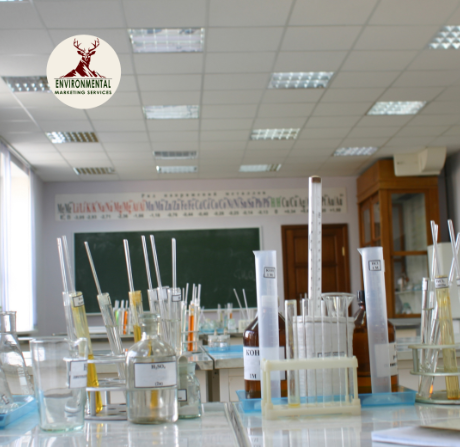
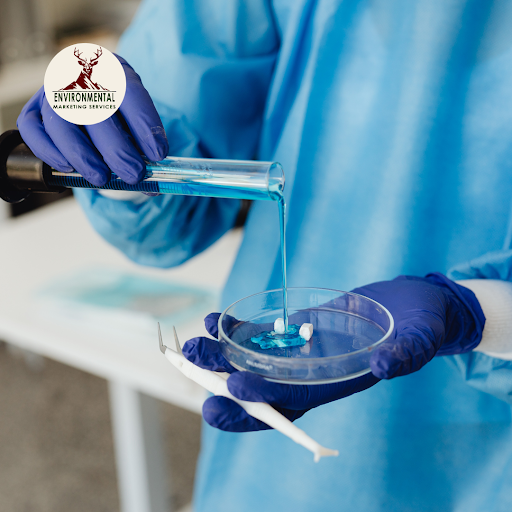
- Acids, bases, and lab reagents from research, quality control, or educational labs
- Paints, coatings, and related materials such as thinners and strippers
- Oils, fuel residues, and contaminated absorbents from equipment maintenance
Universal wastes often show up in everyday maintenance and facility upgrades. These can include fluorescent lamps, certain types of batteries, some pesticides, and devices that contain mercury. While universal waste rules are somewhat simplified compared to hazardous waste requirements, they still require correct storage, labeling, and timely shipment off-site.
Many facilities also generate non-hazardous but regulated material, such as some wastewater treatment sludge, select absorbents, or industrial by-products. Mishandling these streams can still lead to violations. Misclassifying a waste, or assuming it is non-hazardous without proper review, is one of the easiest ways to run into trouble. Professional profiling, including lab testing when needed, helps determine the right classification so that the waste goes to a suitable facility and the generator has accurate records.
How Professional Chemical Waste Disposal Works
A structured process takes the guesswork out of chemical waste disposal. It usually begins with a site assessment, where we review how waste is generated, stored, and labeled. From there, we identify and profile each waste stream so the correct codes, descriptions, and handling methods are used. This step is key for compliance, safety, and cost control.
Once the waste is profiled, we help choose the right containers, ensure compatible materials are not packed together, and apply correct labels and markings. Licensed transporters then move the waste using DOT-compliant vehicles, packaging, and shipping papers. Along the way, clear documentation tracks each drum or tote from the generator’s site to the final treatment or disposal facility.
Final treatment methods depend on the type of waste. Some materials are blended into fuel, some are incinerated, others are neutralized, treated, recycled, or placed in secure landfills that are designed for specific categories of waste. By working with established hazardous waste disposal companies in Seneca, SC, facilities can set up routine pickup schedules, manage recurring waste streams, and respond quickly to one-time cleanouts without stretching internal resources.
Choosing the Right Disposal Partner in Seneca, SC
Not all providers are the same, and choosing the right partner affects safety, cost, and peace of mind. Key things to look for when comparing hazardous waste disposal companies in Seneca, SC include:
- Proper licensing, insurance, and permits for transport and disposal
- A strong safety record and clear internal procedures
- Regulatory experience with EPA, DOT, and South Carolina DHEC requirements
- The ability to manage hazardous, non-hazardous, and universal wastes together
Transparent pricing and clear documentation are just as important. Facility managers benefit when one provider can handle multiple waste streams in a single visit instead of coordinating with several different vendors. That saves time and reduces confusion over manifests, profiles, and invoices.
For businesses with locations in multiple states, working with a nationwide transporter and disposal provider like Environmental Marketing Services, LLC brings additional advantages. Consistent service, unified reporting, and a single point of contact simplify waste management across a larger footprint. When evaluating vendors, it helps to ask about response times, emergency or short-notice capabilities, staff training support, and sustainability practices such as recycling and beneficial reuse where appropriate.
Practical Steps Seneca Businesses Can Take Today
Even before selecting a disposal partner, there are practical steps Seneca businesses can take to tighten up chemical waste programs. A simple internal checklist might include:
- Inventory all chemical products and waste streams currently on site
- Separate incompatible materials, such as acids from bases or oxidizers from organics
- Confirm that all containers are labeled, closed, and stored correctly
- Review storage areas for secondary containment and spill control supplies
It is also wise to review or create written procedures for waste handling, satellite accumulation areas, and spill response. Clear instructions give employees confidence and help maintain a consistent standard across shifts and departments. Regular, brief training helps staff understand what belongs in hazardous waste containers, what can go in universal waste containers, and what should never go in regular trash or down drains.
From our experience working with industrial, commercial, and institutional generators across 47 states, small changes in labeling, segregation, and container management can significantly reduce risk. A fresh look at your current program can reveal opportunities to improve compliance and lower overall disposal costs, especially when you have a knowledgeable partner helping review profiles, scheduling, and shipment plans.
Protecting Seneca’s Environment with Confident Next Steps
Responsible chemical waste disposal protects much more than a compliance checklist. It safeguards employees on the shop floor, neighbors living nearby, and the natural resources that make the Seneca area a place where people want to live and work. Keeping hazardous, non-hazardous, and universal wastes on a clear, documented path from generation to final disposal is one of the most direct ways local businesses can support community health and environmental quality.
When facility managers, EHS leaders, and business owners treat chemical waste management as an ongoing program instead of a one-time project, they are better prepared for inspections, process changes, and growth. Partnering with an experienced provider for transportation and disposal helps keep that program organized, efficient, and aligned with changing regulations across multiple states. With the right systems in place, Seneca businesses can focus on their core operations, confident that their waste streams are handled safely, responsibly, and in a way that reflects well on their commitment to the community.
Get Started With Your Project Today
If you need reliable hazardous waste handling that meets strict regulatory standards, we are ready to help you plan and manage every step of the process. As one of the trusted hazardous waste disposal companies in Seneca, SC, Environmental Marketing Services can assess your waste streams, recommend compliant solutions, and schedule timely pickups. Talk with our team about your specific facility needs, and we will tailor a disposal strategy that fits your schedule and budget. To discuss your project or request a quote, simply contact us today.