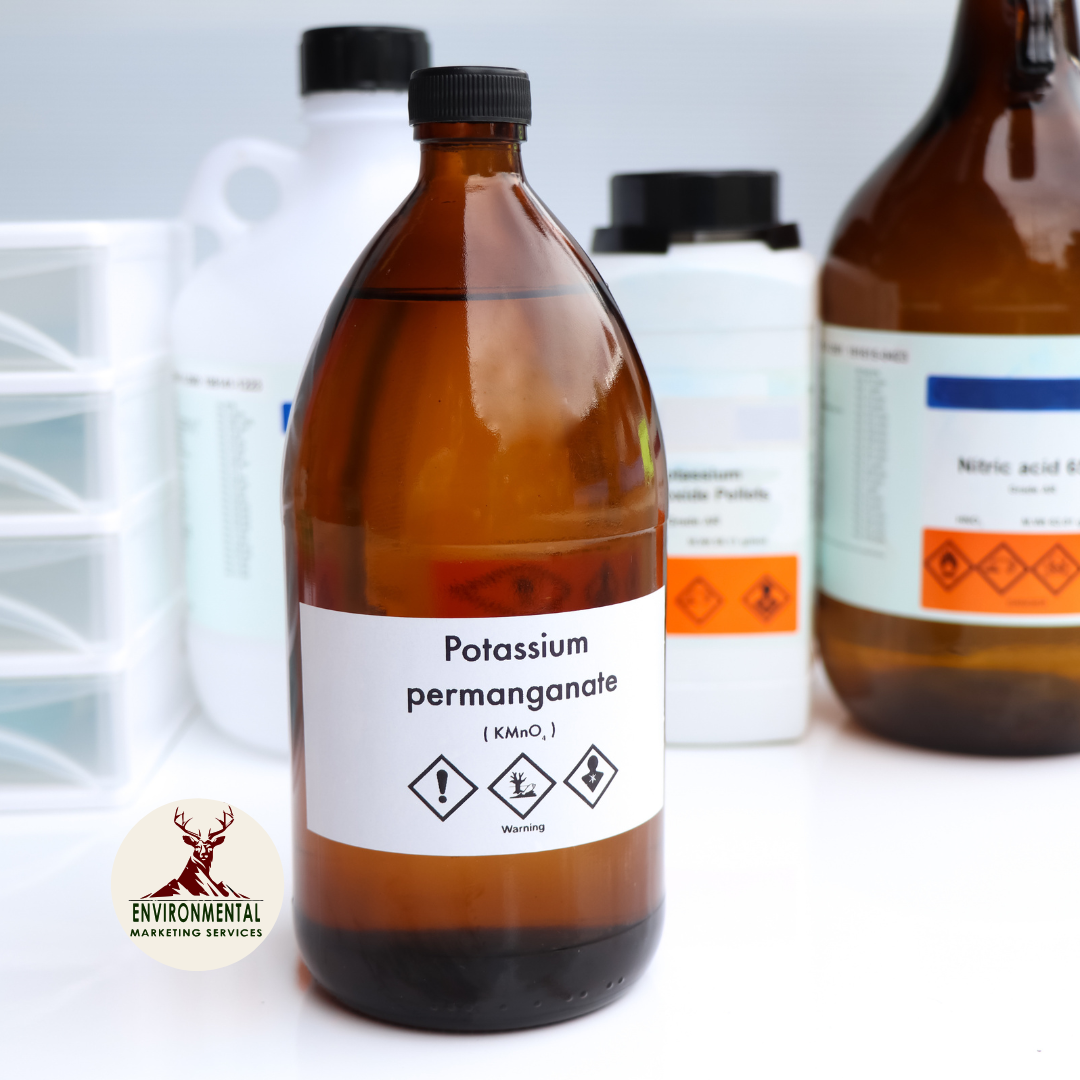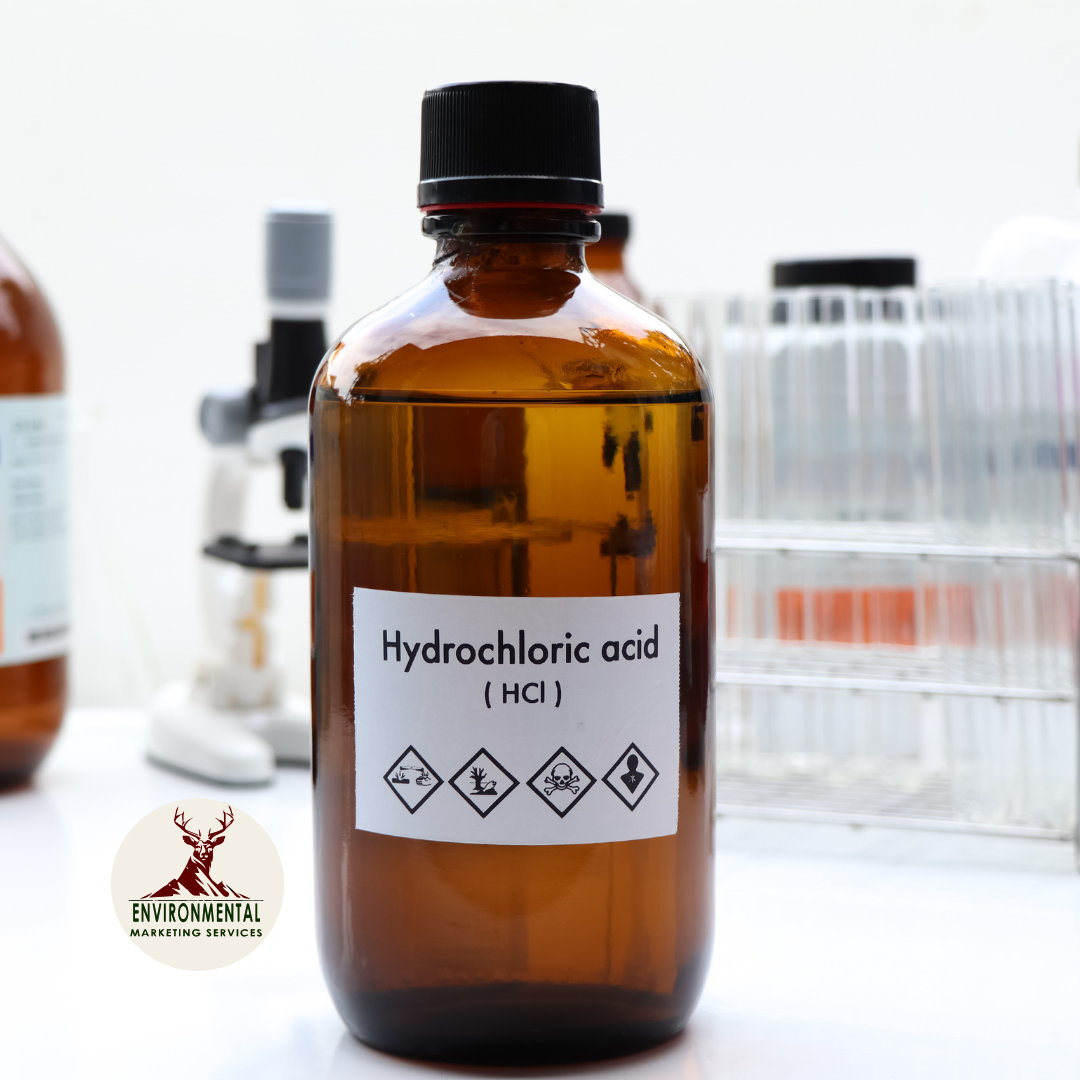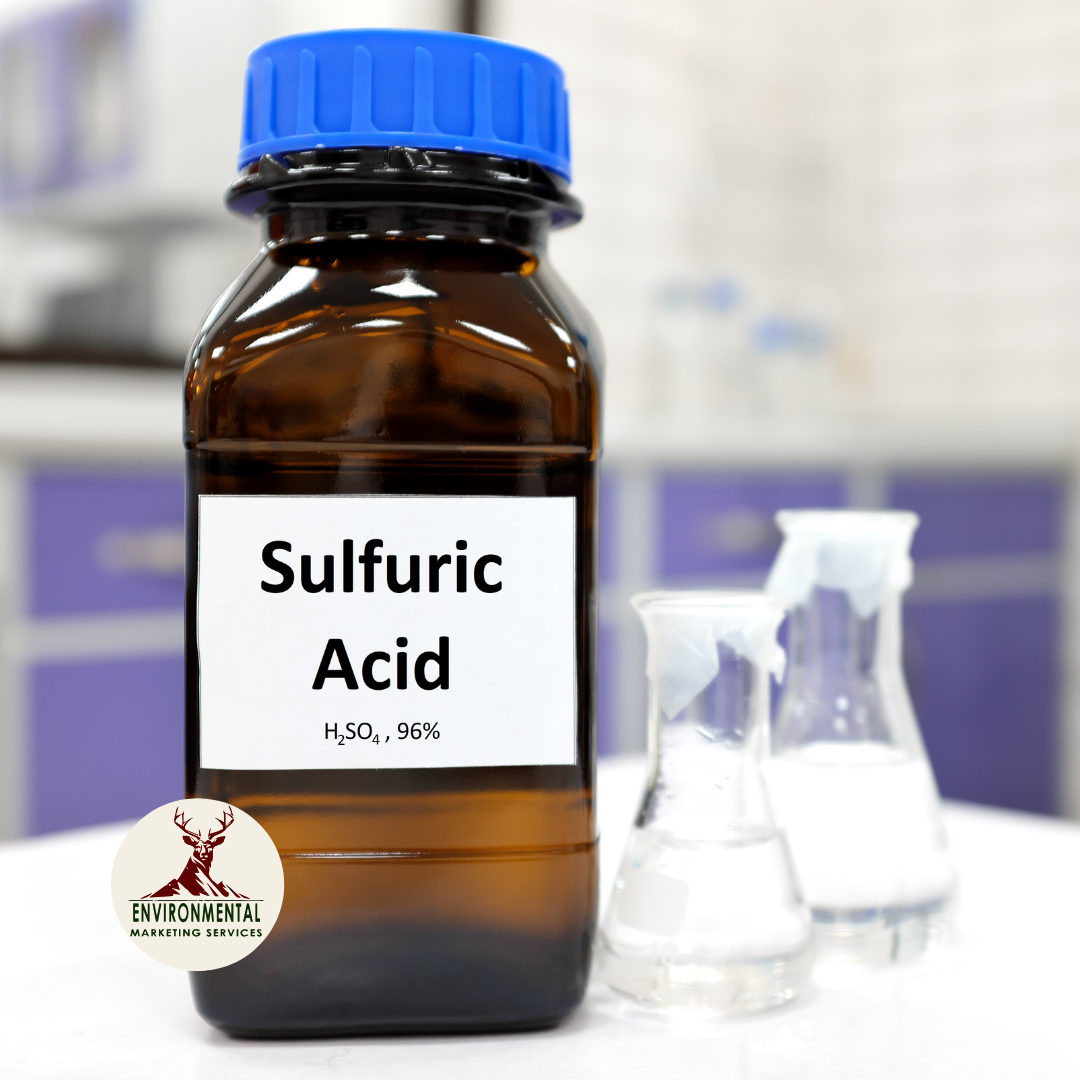
Safe lab chemical disposal starts long before a pickup truck arrives. Every container, from a small bottle of expired reagent to a drum of spent solvent, needs careful handling to protect your team, reduce fire and exposure risks, and avoid disposal delays.
We created this guide to help lab managers, environmental health and safety teams, educators, researchers, and facility leaders build a practical waste process. When materials are identified, stored, documented, and prepared correctly, your lab is in a better position to manage waste safely and meet applicable requirements.
Protect Your Team Before Chemical Waste Leaves the Lab
Laboratory waste is rarely “just trash.” Even small containers can contain chemicals that are ignitable, corrosive, reactive, toxic, or incompatible with nearby materials. Improper handling can lead to dangerous reactions, employee exposure, damaged containers, rejected shipments, and environmental harm.
A clear lab chemical disposal process helps you move from uncertainty to an organized plan. We recommend following a consistent workflow from the moment waste is generated through final transportation and disposal:
- Identify the material and review its known hazards
- Determine the waste status under applicable requirements
- Segregate incompatible chemicals and use suitable containers
- Label containers clearly and keep records current
- Arrange transportation and disposal through a qualified provider
Skipping any step can create problems later. An unlabeled bottle may delay a waste pickup. A damaged container may create a spill risk. Mixing materials to save space may cause a reaction that puts people and property at risk. Careful preparation makes a major difference.
Lab Chemical Disposal Begins with Accurate Identification
Accurate identification is the foundation of safe lab chemical disposal. We never recommend placing unknown materials into a waste stream without following your established identification process first. Start with the information already available in your lab, including original labels, safety data sheets, inventory records, research notes, and purchase history.
Once you know what a container holds, your team can make a hazardous waste determination under applicable federal, state, and local requirements. A material may require hazardous waste handling because it is ignitable, corrosive, reactive, toxic, listed, or covered by stricter state rules. Generator requirements can also vary based on the types and amounts of waste your facility produces.
Common lab materials do not always belong in the same disposal path. You may need separate handling for:
- Spent solvents and solvent mixtures
- Acids, bases, oxidizers, and reactive materials
- Heavy metal solutions and cyanide compounds
- Expired reagents, pesticides, and contaminated debris
- Containers with damaged, faded, or unclear labels
When classification is uncertain, guessing is not a safe option. We recommend involving qualified environmental professionals who can help your team determine how the material should be managed before it is packaged for shipment.
Segregate, Label, and Store Waste Safely
Chemical compatibility should guide how waste is stored. Acids should not be mixed with bases, oxidizers should be kept away from organic solvents, and reactive materials may need specialized controls. Combining waste simply to free up container space can create a serious safety issue.
Container condition matters just as much as compatibility. Use containers that are suitable for the materials inside, structurally sound, and closed except when waste is actively being added. Secondary containment can help limit the spread of a leak or spill, especially in liquid waste accumulation areas.
Regular inspections give your staff a chance to catch problems early. During a routine review, look for leaks, corrosion, bulging, damaged caps, residue around the outside of containers, and labels that can no longer be read. Aging chemicals and deteriorating packaging should not be left unnoticed until pickup day.
Clear labels help everyone who handles the waste understand what is inside. Your facility’s waste labels should identify the contents, known hazards, accumulation start dates when required, and any other information required by your waste program. Avoid vague descriptions such as “waste solvent” or “chemical mixture” when the actual ingredients are known. Better labels support safer handling, more accurate waste profiling, and smoother pickup planning.
Choose Disposal Routes That Meet Applicable Rules
The right disposal route begins with a complete waste profile. This profile may describe the material’s composition, quantity, physical state, hazards, and packaging. With accurate details, a qualified waste provider can determine an appropriate transportation and disposal route, such as incineration, stabilization, recycling, fuel blending, or another permitted treatment method.
Not every regulated material in a lab should be managed as hazardous chemical waste. Certain batteries, mercury-containing lamps, aerosol cans, and mercury devices may fall under universal waste rules. Electronic equipment, sharps, radioactive materials, and biological waste may require separate programs. We recommend keeping these streams separate unless a qualified provider confirms the proper handling method.
For organizations with multiple locations, consistency can be difficult to maintain. Facilities should coordinate waste handling across locations while accounting for location-specific requirements.
Plan Pickups, Records, and Winter Contingencies
Waste pickups should be planned before accumulation areas become overcrowded. A regular schedule can help your lab maintain available container space, reduce the chance that chemicals deteriorate in storage, and prevent rushed disposal requests.
Autumn is also a practical time to review year-end plans. Holiday closures, staffing changes, inventory reviews, and winter weather can all affect access, scheduling, and on-site preparation. A little planning before the busiest part of the season can help prevent waste from sitting longer than intended.
Depending on the waste and shipment, your team may need records such as waste profiles, container counts, shipping papers, land disposal restriction notices, manifests, and certificates of disposal or recycling. Keep records according to applicable requirements and your internal compliance policies.
Before pickup day, designate a trained point of contact and confirm that container counts and labels match your paperwork. Make sure the transporter can safely access the accumulation area, and communicate any site-specific entry, safety, or loading requirements in advance. Spill-response supplies should remain accessible, and staff should know what to do if they find leaking containers, damaged packaging, or previously unknown waste.
Turn Your Waste Review Into a Safer Next Step
A recurring lab waste review can uncover aging chemicals, improve inventory accuracy, and identify unknown containers before they become a larger concern. Set aside time to review your waste streams, labels, storage areas, records, and pickup schedule as part of your normal lab operations.
The safest approach is to address chemical waste early, keep information accurate, and avoid letting storage areas become a long-term holding place for materials your lab no longer needs.
Keep Your Lab Disposal Process Moving
Environmental Marketing Services can help you arrange reliable lab chemical disposal for materials that require professional handling. Our team supports clear documentation and responsible waste management tailored to your laboratory’s needs. Contact us to discuss your disposal requirements.