Chemical Waste Disposal Services Guide for Safer Operations
Chemical waste is a fact of life for industrial plants, laboratories, healthcare facilities, and many commercial operations. How you manage that waste directly affects worker safety, regulatory compliance, and your organization’s reputation in the community. When waste management chemical disposal is treated as an afterthought, it can quickly turn into a serious liability.
In this guide, we share how proper chemical waste handling protects people and property, what every generator should understand about their waste streams, and practical steps for safer on-site management. We also explain how a professional partner like Environmental Marketing Services, LLC can help you simplify disposal and support your environmental goals across multiple locations.
Protecting People and Property with Proper Chemical Waste Disposal
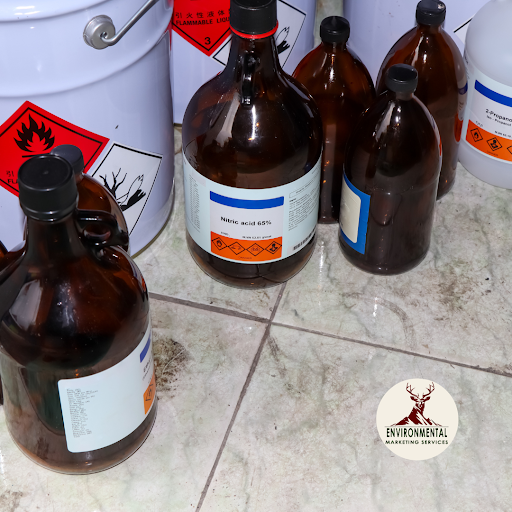
Improperly stored or handled chemicals can put your entire facility at risk. Flammable liquids left in open or damaged containers, incompatible acids and bases stored together, or reactive metals exposed to moisture can set the stage for fires, explosions, and toxic fumes. Corrosive or oxidizing wastes can damage equipment, building structures, and vehicles, and spills can contaminate soil, floors, and drainage systems.
Beyond your walls, mismanaged chemical waste can affect neighboring businesses and communities. Releases to air, sewer, or storm drains may lead to odors, health complaints, property damage, or regulatory investigations. These incidents often start small, with a few forgotten containers or a mislabeled drum that no one is quite sure how to handle.
Treating waste management chemical disposal as a core part of your risk management strategy changes that picture. When waste is identified, stored, and shipped in a consistent way, you reduce uncertainty, protect people, and keep operations moving smoothly. Our role as a trusted partner is to translate complex requirements into repeatable steps, so your teams can handle waste safely as part of their regular routine.
Understanding Your Chemical Waste Streams and Risks
Every generator needs a clear picture of what is in their waste streams. Chemical waste generally falls into three broad categories: hazardous, non-hazardous, and universal waste. Hazardous waste includes materials that are ignitable, corrosive, reactive, or toxic. Non-hazardous waste does not meet these criteria but still requires responsible management. Universal waste often covers things like certain lamps, batteries, and similar items that contain regulated components but move through streamlined programs.
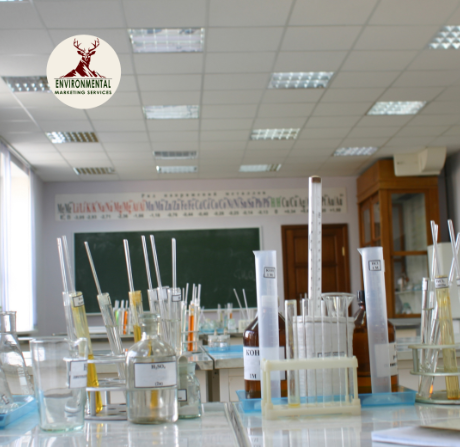
Industrial facilities might generate spent solvents, oily debris, process sludges, and off-spec products. Laboratories may have small-container chemicals, reagents, and lab packs. Healthcare sites often handle pharmaceuticals, disinfectants, and various treatment chemicals. Commercial locations can produce maintenance chemicals, cleaning products, and universal waste like lamps and batteries.
Identifying and characterizing these wastes starts with Safety Data Sheets, generator knowledge of how a product is used, and, when needed, laboratory analysis to confirm properties. Without this information, it is easy to misclassify a waste or store it improperly. Common risk factors include incompatible materials stored side by side, aging inventory that no one wants to touch, unknown containers with missing labels, and cross-contamination when different wastes are poured together. All of these conditions add complexity to safe disposal and may increase cost and liability.
Regulatory Basics Every Generator Should Know
Several agencies play a role in regulating waste management chemical disposal. The Environmental Protection Agency (EPA) sets many of the core rules for hazardous waste generators. The Department of Transportation (DOT) regulates how hazardous materials are described, packaged, and transported on public roads. The Occupational Safety and Health Administration (OSHA) focuses on worker protection, training, labeling, and safe handling. State environmental agencies may add their own requirements on top of federal rules.
One of the first steps for any generator is to understand their generator status. Facilities are typically classified into categories such as very small, small, or large-quantity generators based on how much hazardous waste they produce within a set time frame. That status affects how much waste you can store on site, how long you can keep it, what training and contingency planning you need, and how often inspectors may visit.
Paperwork is an essential part of compliance. Waste profiles describe the characteristics of a waste stream. Manifests and shipping documents track containers from your site to the final treatment or disposal facility. When you work with a nationwide provider that understands federal and state rules, it becomes easier to keep these documents consistent, accurate, and ready for review.
Best Practices for Safe On-site Handling and Storage
Safe disposal starts with how you handle waste at the point of generation. Choosing the right containers is key: compatible with the waste, in good condition, and kept closed when not in use. Clear, durable labels that identify contents and hazards help prevent mistakes and give responders the information they need during an emergency.
Segregating incompatible chemicals is another basic step that pays off. Acids should be stored away from bases, oxidizers away from organics and combustibles, and flammables in appropriate cabinets or areas. Many facilities set up satellite accumulation areas so employees can place waste into properly labeled containers close to where it is generated, rather than letting it accumulate informally at workstations.
Good accumulation practices usually include:
- Secondary containment, such as trays or berms, under drums and carboys
- Regular inspections for leaks, corrosion, or bulging containers
- Clear aisle space so containers are easy to access and inspect
- Written procedures for adding waste and closing containers
Worker training ties everything together. Employees need to understand hazards, personal protective equipment (PPE) requirements, what can go into each container, and how to respond to spills. Having a spill response plan with readily accessible absorbents, neutralizers, and tools helps keep minor incidents from becoming major events.
Choosing Professional Chemical Waste Disposal Services
At some point, every generator needs a professional service provider to move waste off site. Choosing the right partner starts with checking for proper licensing and insurance, along with a solid understanding of treatment, disposal, and recycling options. Transportation capabilities matter too, especially if you have multiple locations that require coordinated pickups.
Environmental Marketing Services, LLC, based in Seneca, South Carolina, provides transportation, disposal, and recycling solutions for hazardous, non-hazardous, and universal waste across 47 states. We serve industrial, laboratory, healthcare, and commercial generators, coordinating the movement of drums, lab packs, bulk loads, and other common waste forms to appropriate facilities.
Working with a single-source provider can simplify your operations. You can benefit from:
- Streamlined scheduling for pickups at one or many locations
- Consistent pricing structures that make budgeting easier
- Centralized records for manifests, profiles, and shipping documents
- Support during inspections or audits when regulators review your paperwork
This kind of partnership allows your internal teams to stay focused on production, research, or patient care, while we handle the logistics and regulatory details of off-site disposal and recycling.
Sustainable Options for Recycling and Reducing Chemical Waste
Waste management chemical disposal is about more than just getting rid of unwanted material. Many organizations are looking for ways to reduce waste at the source and increase recycling to support sustainability and ESG goals. That starts with examining which products and processes generate the most waste and asking where substitutions or changes might help.
Opportunities can include:
- Choosing less hazardous chemicals when performance will still meet your needs
- Tightening inventory controls so products are used before expiration
- Standardizing on fewer chemicals to simplify storage and disposal
- Adjusting processes to extend the life of baths, solvents, or reagents
- Implementing universal waste programs for lamps, batteries, and electronics
On the recycling and recovery side, options may include solvent reclamation, fuel blending for suitable organic wastes, and metals recovery where practical. Universal waste programs can keep certain items out of landfills and route them into specialized recycling streams. By working with an experienced team, you can evaluate which options make sense technically, economically, and from a compliance standpoint for your specific waste streams.
Taking a proactive approach to chemical waste management protects employees, reduces environmental impact, and supports long-term reliability of operations. Regularly reviewing your waste streams, storage conditions, and disposal practices can reveal quick improvements as well as longer-term projects that align with your company’s safety and sustainability objectives.
Protect Your Facility With Compliant Chemical Waste Solutions
If you are looking for reliable waste management chemical disposal that keeps your operations safe and compliant, Environmental Marketing Services is ready to help. Our team will evaluate your materials, recommend the right handling methods, and manage disposal from start to finish so your staff can focus on core work. To discuss your specific needs or request a quote, please contact us today.