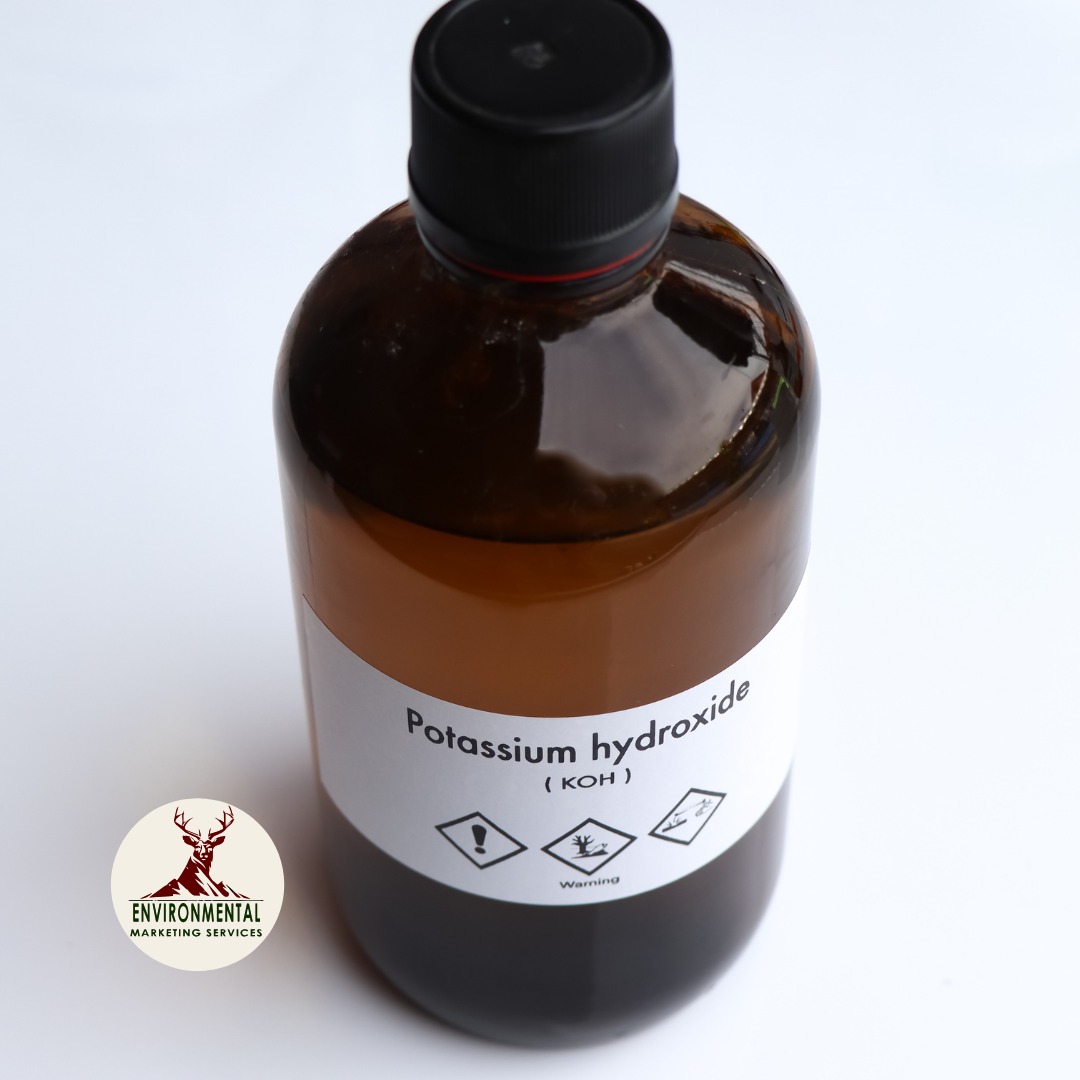
Protecting People and the Planet Starts with Safe Waste Handling
Toxic waste management is not just a paperwork exercise; it is a direct line to protecting your people, your facility, and the communities around you. Whether you operate an industrial plant, a research lab, a healthcare facility, or a commercial property, the way you handle dangerous materials shapes your risk, your costs, and your reputation. When waste is managed well, you reduce accidents, avoid violations, and support a cleaner environment.
Toxic waste is any discarded material that can cause harm to human health or the environment. It is very different from general trash and everyday recyclables. Misclassifying waste can send dangerous material into the wrong stream, which increases the chance of incidents and usually drives up long-term costs as problems are discovered later. A strategic, compliant toxic waste management program helps control liability, supports Environmental, Social, and Governance goals, and shows employees and neighbors that safety comes first.
At Environmental Marketing Services, LLC, based in Seneca, South Carolina, we work with generators across 47 states to move hazardous, non-hazardous, and universal waste from your site to safe, compliant disposal. We focus on building programs that are practical for your team, protective of your people, and mindful of your budget.
What Counts as Toxic Waste and Why It Matters
The term toxic waste often overlaps with hazardous waste, but it helps to break the concepts down. In simple terms:
- Toxic or hazardous waste includes materials that are ignitable, corrosive, reactive, or toxic, such as spent solvents, some lab chemicals, or certain industrial byproducts.
- Universal waste covers common items that contain hazardous components, like fluorescent lamps, batteries, and some electronics.
- Non-hazardous industrial waste includes sludges, absorbents, or process residues that are not regulated as hazardous but still need proper handling.
- General waste is everyday trash that can be handled through normal municipal channels.
In the United States, toxic and hazardous wastes are regulated primarily under the Resource Conservation and Recovery Act, or RCRA, along with specific state rules. Your generator status, which is usually based on how much hazardous waste you produce in a month, affects what you must do. Requirements for labeling, storage time limits, training, and reporting can shift significantly as your volume changes, so understanding your status is essential.
The risks of poor toxic waste management are real. Uncontrolled chemical reactions can cause fires or explosions, containers can leak and contaminate soil or groundwater, and employees can be exposed to dangerous fumes or contact hazards. There is also the long tail of reputational harm if regulators, neighbors, or customers see that waste is not being handled responsibly. Accurate classification and profiling at the outset are the foundation for safe, cost-effective disposal. They tell everyone down the line what they are dealing with and how to manage it.
Safe On-Site Handling and Storage Best Practices
A safer operation starts where waste is first generated. Clear on-site handling procedures keep your facility organized and reduce guesswork during busy shifts. At a minimum, each container should be properly labeled with the contents, hazard information, and accumulation start date. Incompatible materials, such as acids and bases or oxidizers and organics, need to be segregated, often in separate cabinets or containment areas. Secondary containment, like spill pallets or bermed areas, helps capture leaks before they spread.
Storage areas should be secure, with controlled access so only trained staff can enter. Ventilation, lighting, and clear signage help employees recognize hazards quickly. Personal protective equipment is another key layer of defense. Depending on the waste, this may include gloves, goggles, face shields, aprons, or respiratory protection. It is not enough to hand out PPE; staff need to know when and how to use it correctly.
Spill prevention and emergency response planning tie all of this together. Your team should know where absorbents, neutralizing agents, and spill kits are located, and who to notify if an incident occurs. Regular drills and refreshers keep these skills sharp. Training should reach beyond the environmental or safety office. Operations, maintenance, lab staff, and custodial teams all interact with waste and should understand procedures and reporting expectations.
Documentation and tracking are often seen as burdens, but they actually make your life easier when it is time to ship waste off-site. Keeping logs of container movements, accumulation dates, and contents makes manifest preparation smoother and supports compliance during inspections. Good records tell a clear story of control from the moment a waste is created.
Compliant Transportation and Disposal Options Explained
Under hazardous waste rules, generators carry cradle-to-grave responsibility for their waste. That means your responsibility does not end when the truck leaves your dock. Choosing reputable transporters and treatment, storage, and disposal facilities helps protect you from surprises down the line.
A knowledgeable waste management partner can coordinate permitted transportation, prepare manifests, and route your materials to appropriate facilities. This includes matching each waste stream with a treatment or disposal method that meets regulatory and safety requirements. Common methods include incineration for organic liquids and some solids, fuel blending where suitable material is used as an alternative fuel, chemical treatment and neutralization for reactive or corrosive wastes, stabilization for metals and sludges, and secure landfilling for residues that cannot be treated further.
Environmentally responsible choices look for chances to reduce the volume that needs final disposal. Where appropriate and allowed, options like solvent recovery, metals reclamation, or reuse of certain byproducts as alternative fuel can lower disposal costs and shrink your environmental footprint. These approaches can support your sustainability reporting and show that your company is taking a thoughtful approach to toxic waste management.
Building a Facility-Wide Toxic Waste Management Program
A strong toxic waste management program does not happen by accident. It starts with understanding what you generate today. A waste audit or assessment looks at all of your operations, from production lines to labs, maintenance shops, and support areas. We review Safety Data Sheets, sampling results, and existing disposal records to identify and characterize each waste stream.
Once you know what you have, you can design standardized procedures that fit how your facilities actually operate. This may include:
- Standard container types and labels across locations
- Defined accumulation areas for different departments
- Regular pickup schedules that prevent over-accumulation
- Central consolidation points to improve efficiency
- Clear steps for requesting new waste pickups or containers
Industrial plants, healthcare facilities, and commercial properties all generate unique wastes, but they benefit from a coordinated strategy. Integrating universal wastes like lamps and batteries, pharmaceutical waste where applicable, and other specialized streams into one program helps avoid gaps and overlapping efforts. It also simplifies training, because employees learn one consistent set of expectations.
For organizations with multiple sites in different states, the challenge is even greater. Regulations, disposal options, and logistics can change as you cross state lines. Working with a nationwide provider like Environmental Marketing Services helps you harmonize your approach while still respecting local requirements. Our goal is to give you a single, coherent program that scales from one facility to many.
Turning Compliance Into a Sustainability Advantage
Toxic waste management will always be a regulatory requirement, but it can also be a positive force inside your organization. When employees see that waste is handled carefully and consistently, it strengthens your safety culture. When communities notice fewer incidents and better communication, it builds trust. When your leadership sees cost control combined with lower risk, it supports long-term planning.
Practical next steps are straightforward. Review your current waste streams, vendor relationships, and training programs. Ask where you might be overpaying because waste is misclassified, or where aging procedures no longer match how work is actually done. Look at how you document and track waste, and how well that information supports your ESG and sustainability reporting.
At Environmental Marketing Services, we work alongside industrial, laboratory, healthcare, and commercial generators to turn toxic waste management into a safer, cleaner, and more efficient part of daily operations. By focusing on accurate classification, safe on-site practices, compliant transportation and disposal, and coordinated programs across locations, you can protect people and the planet while supporting your business goals.
Protect Your Facility With Expert Toxic Waste Solutions
If you are ready to address hazardous materials safely and stay compliant, our team at Environmental Marketing Services is here to help. Explore our comprehensive toxic waste management services to design a solution tailored to your facility and industry. We work closely with you to simplify regulatory requirements, reduce risk, and keep your operations running smoothly. For personalized support on your specific waste challenges, contact us today.