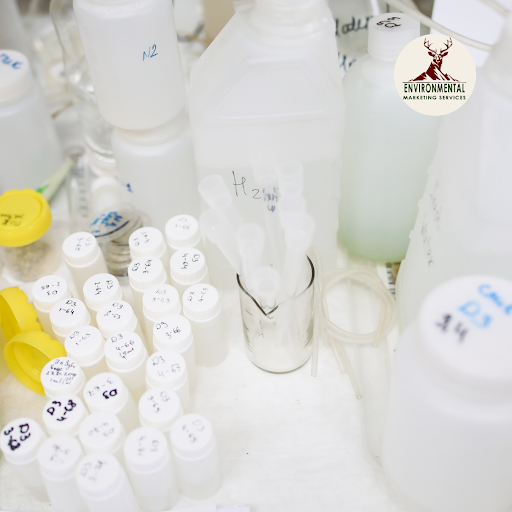
Protecting People and the Planet with Safe Chemical Waste
Safe chemical waste practices protect your employees, your facility, and the communities you operate in. Chemical waste is not the same as regular trash. It can be toxic, reactive, corrosive, or persistent in the environment, and a small amount handled the wrong way can create big problems. Fires, spills, exposure incidents, and costly regulatory penalties often trace back to basic missteps in how waste is stored or shipped.
At Environmental Marketing Services, LLC, based in Seneca, SC, we help industrial, laboratory, healthcare, and other commercial generators manage waste safely and responsibly across the country. In this guide, we share practical insights on waste management and chemical disposal, from understanding your waste streams and staying compliant to working effectively with a professional service provider. Our goal is to help you improve safety, reduce risk, and build a stronger environmental program at your facility.
Understanding Chemical Waste Types and Risks
Chemical waste covers a wide range of materials, and the words used to describe it really matter. Hazardous waste has properties that make it especially dangerous: ignitability, corrosivity, reactivity, or toxicity. Non-hazardous chemical waste may still require controlled handling, but it does not meet the regulatory definition of hazardous. Universal waste is a special category for common items like certain batteries and fluorescent lamps that contain hazardous components yet move through streamlined rules to encourage recycling.
Different facilities generate very different waste streams. Typical examples include spent solvents from cleaning or production, acids and bases from metal treatment or labs, oils and fuels, lab reagents and samples, contaminated absorbents and PPE, pesticides, and pharmaceutical chemicals. Many sites also manage universal wastes such as fluorescent bulbs, some batteries, and mercury-containing devices.
Those underlying characteristics, ignitable, corrosive, reactive, or toxic, shape what you can do with each waste. They guide container selection, storage methods, labeling, segregation, and final disposal options. If waste is misclassified, it may be stored next to incompatible materials, shipped in the wrong packaging, or sent to a facility that is not permitted for that waste type. That can lead to safety incidents, regulatory violations, rejected loads, and higher overall costs. Professional waste profiling and documentation help verify what you have before it moves, which protects both your people and your budget.
Core Steps for Safe Chemical Waste Management
Effective waste management and chemical disposal start with what happens inside your building. On-site, segregation is one of the most important controls. Incompatible chemicals should never share a container, and often should not share a storage area. Acids and bases, oxidizers and organics, flammables and strong oxidizers need separation. Secondary containment, such as trays or berms, helps keep leaks from spreading and protects floor drains.
Labeling is the next critical element. Every container should clearly identify contents, hazards, and accumulation start date where required. Containers should stay closed except when waste is being added, and you should select packaging that matches the waste, for example, metal versus plastic, vented versus non-vented. Keeping an up-to-date waste inventory and current Safety Data Sheets gives employees and responders the information they need if something goes wrong.
Safe storage goes beyond labels and containers. Key practices include:
- Respecting accumulation time limits that apply to your generator status
- Establishing satellite accumulation areas where waste is generated, with clear signage
- Providing good ventilation, especially for volatile or odorous chemicals
- Maintaining spill kits, absorbents, and compatible neutralizing agents nearby
- Ensuring eyewash stations and safety showers are accessible where corrosives are handled
Training ties all of this together. Staff who handle chemical waste should recognize basic hazards, select appropriate containers, and know when a situation is beyond their in-house capabilities. They should understand emergency steps for spills and exposures and know when to contact a professional waste partner. When these pieces are in place, waste management and chemical disposal become part of a broader strategy that reduces risk and supports sustainability goals, including opportunities to recycle or recover value where regulations and material properties allow.
Regulatory Compliance with Confidence
Chemical waste is heavily regulated for good reason. Facilities that generate hazardous waste need to understand how rules from the Environmental Protection Agency related to the Resource Conservation and Recovery Act, Department of Transportation hazardous materials transportation requirements, and Occupational Safety and Health Administration workplace safety standards all fit together. State and local regulations may add their own layers, from registration and reporting to additional handling rules.
Your generator status is central to your obligations. Large quantity, small quantity, and very small quantity generators face different requirements for training, inspection frequency, accumulation limits, emergency planning, and reporting. If your volumes fluctuate, it is especially important to track how much hazardous waste you generate and ship over time so you do not accidentally fall out of compliance.
Compliance also lives and dies in your paperwork. Typical documentation may include:
- Waste profiles that define each waste stream and its properties
- Hazardous waste manifests for off-site shipments
- Land Disposal Restriction forms when required
- Training records, inspection logs, and contingency plans
These documents need to be accurate, complete, and retained for the timelines set by regulation. A professional service provider can help interpret which requirements apply, prepare or review profiles, support manifesting, and identify patterns that might cause issues in an inspection. When compliance is built into day-to-day operations instead of treated as a one-time exercise, it becomes far easier to maintain.
How Professional Chemical Waste Services Work
For many facilities, partnering with a chemical waste service provider is the most practical way to manage diverse and changing waste streams. A typical engagement starts with a site review, which may include walking your storage and accumulation areas, reviewing current procedures, and identifying each waste stream. From there, waste characterization and profiling confirm how each material should be classified and handled.
Once profiles are in place, your provider can support container selection and labeling, then schedule pickups that match your operational needs. Transportation is arranged through carriers that are properly licensed and insured, and waste is sent to permitted treatment, storage, and disposal facilities. Depending on the material and regulations, options may include fuel blending, incineration, treatment prior to disposal, or recycling and reclamation.
Environmental Marketing Services, LLC coordinates these services across the country so multi-site and regional organizations can work with a single point of contact. That consistency helps standardize procedures, simplify documentation, and keep expectations clear from one location to another. The real value comes from tailored solutions, responsive communication when issues arise, and a turnkey approach that covers profiling, packaging guidance, logistics, and final disposal so your team can stay focused on its core work.
Choosing the Right Partner for Chemical Waste Management
Selecting a waste partner is a safety and compliance decision, not just a purchasing choice. Key factors to consider include:
- Appropriate permits and insurance coverage for the services offered
- A strong safety record and commitment to continuous improvement
- Experience with your specific industry and waste streams
- Clear, transparent documentation practices and recordkeeping support
- The ability to offer guidance, not just pick up and haul
National coverage can be especially important if you operate in multiple regions with different state rules. You will also benefit from a provider that can handle hazardous, non-hazardous, and universal waste, along with recycling options where appropriate. Working with a single trusted partner simplifies scheduling, consolidates reporting, and makes it easier to plan for unusual needs, such as lab cleanouts, plant projects, or one-time disposals.
During vendor selection, ask questions that get beyond pricing. How do they stay current on regulatory changes? What is their process for profiling a new waste stream? How quickly can they respond to unexpected needs? How do they support your environmental and sustainability goals, such as waste minimization or increased recycling? The answers will tell you whether the provider will be a true partner in your waste management and chemical disposal program or just a transportation vendor.
Taking the Next Step Toward Safer Chemical Waste Practices
Effective chemical waste management is built on a few clear principles: understand what you generate, handle and store it safely, keep compliance at the forefront, and bring in expert help where you need it. When those pieces align, you lower risk for your employees, protect your facility and the environment, and gain more control over costs and liabilities.
This is a good moment to look honestly at your current practices. Are your waste streams clearly identified and profiled? Are labels, containers, and storage areas in good shape? Are training, documentation, and emergency planning current and effective? By asking these questions and involving leadership in the answers, your organization can strengthen its safety culture and environmental performance while making waste management and chemical disposal a reliable, well-managed part of everyday operations.
Protect Your Facility With Compliant Waste Solutions
If you are ready to improve safety and compliance at your facility, our team at Environmental Marketing Services is here to help. Learn how our specialized waste management and chemical disposal services can streamline your operations while reducing risk. To discuss your specific materials, timelines, and regulatory requirements, reach out through our contact page so we can build a solution tailored to your needs.