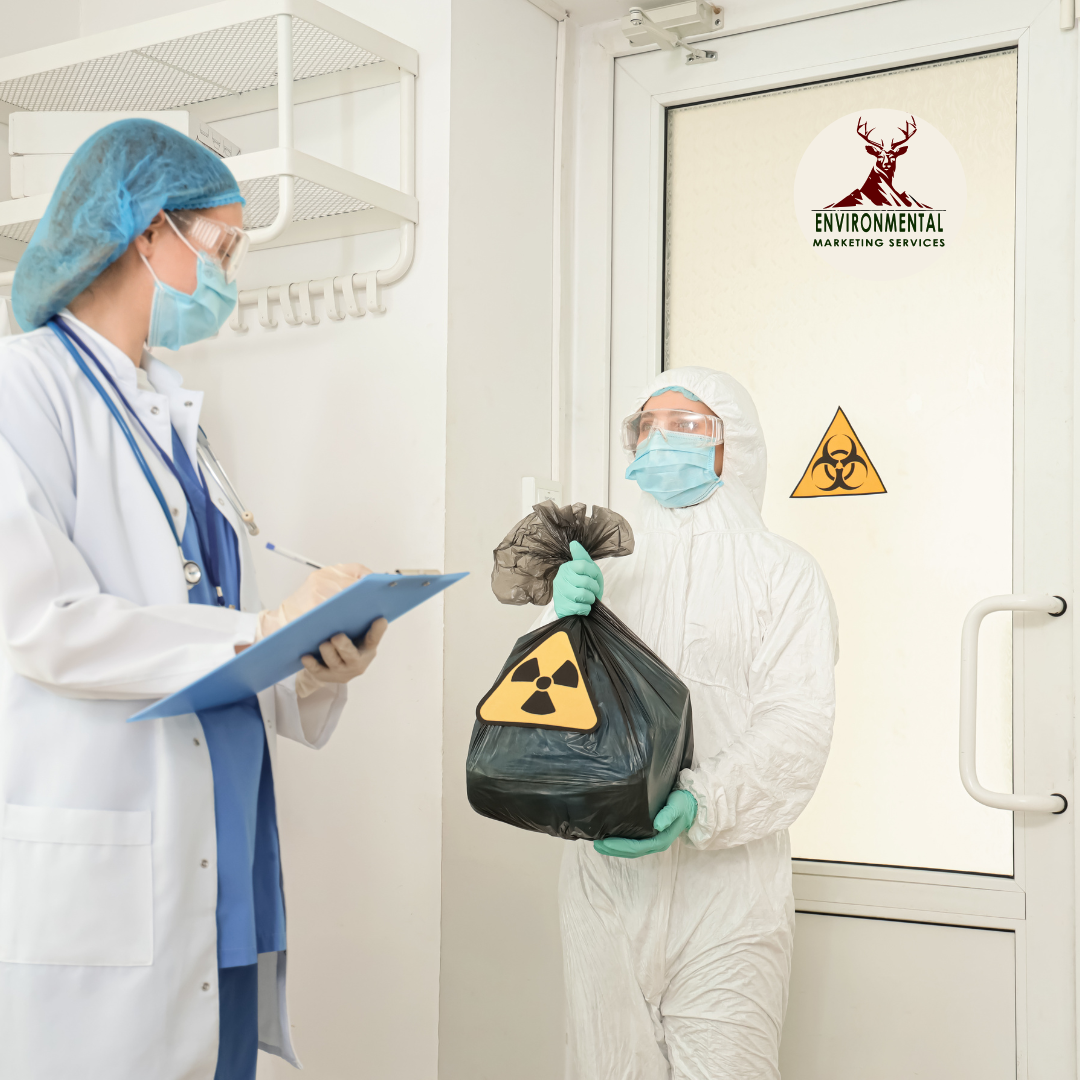
Protecting People and the Planet From Hazardous Waste
Hazardous waste touches almost every type of facility, from manufacturing plants and laboratories to hospitals and office buildings. When it is mishandled, people can be injured, property can be damaged, and soil and water can be contaminated. Spills, fires, toxic vapors, or leaking containers quickly turn from a housekeeping issue into an emergency that affects workers, neighbors, and the surrounding environment.
That is why hazardous waste services matter. In plain language, these services cover safe transportation, hazardous disposal, treatment, and recycling of materials that can threaten health and the environment. At Environmental Marketing Services, LLC (EMS), based in Seneca, South Carolina, we help industrial, laboratory, healthcare, and commercial generators manage hazardous, non-hazardous, and universal waste across the country. In this guide, we share how hazardous disposal works, what to look for in a service provider, practical compliance tips, and smart ways to control both risk and cost.
Understanding Hazardous Waste and Why It Matters
Waste is considered hazardous when it has properties that make it dangerous or capable of harming people or the environment. The most common traits are ignitable, corrosive, reactive, or toxic. Ignitable waste catches fire easily, corrosive waste eats away at metals and skin, reactive waste can explode or release gases, and toxic waste can cause serious health effects even in small amounts.
In real workplaces, that can mean spent solvents from production lines, acids and bases from laboratories, pharmaceutical waste from healthcare facilities, and certain cleaning chemicals and aerosols used in commercial buildings. Hazardous waste can also include contaminated PPE, rags, absorbents, and some sludges. Universal waste, such as fluorescent lamps and many batteries, is regulated a bit differently but still requires careful handling. Non-hazardous industrial waste may not meet the strict regulatory definitions of hazardous, yet it can still impact the environment if it is not managed responsibly.
Regulations from agencies such as the Environmental Protection Agency (EPA), the Department of Transportation (DOT), and the Occupational Safety and Health Administration (OSHA), plus state environmental rules, set the framework for how hazardous disposal must be handled. Noncompliance can lead to fines, injuries, downtime, and long-term liability. Even when generators hire a service provider, they still carry cradle-to-grave responsibility, which means they remain responsible for their waste from the moment it is generated through final treatment or disposal.
A qualified service provider like EMS steps in to manage the day-to-day tasks that go with that responsibility. While generators classify waste and maintain their internal programs, we help with packaging, labeling, transportation, hazardous disposal, recycling options, and accurate recordkeeping. The goal is to keep facilities compliant and safe without losing focus on core operations.
How Professional Hazardous Waste Services Work
Professional hazardous waste services follow a structured process designed to keep people safe and meet regulatory requirements. It usually starts with waste identification and profiling. This may involve reviewing Safety Data Sheets, collecting samples when needed, and documenting each waste stream so it is sent to the right treatment or disposal facility.
Once waste is profiled, it is packaged and labeled according to regulations and facility procedures. That might include placing compatible materials together in drums, overpacking damaged containers, or separating specific types of universal waste like lamps and batteries. Transportation is then arranged with properly qualified carriers, following DOT rules for shipping hazardous materials.
At EMS, we provide nationwide transportation and hazardous disposal services, along with recycling solutions where appropriate. We support hazardous, non-hazardous, and universal waste so generators can address multiple waste streams through a single partner. This approach helps reduce confusion and keeps waste moving off-site on a regular schedule.
Proper manifesting, tracking, and recordkeeping are a key part of this process. The hazardous waste manifest helps document where the waste came from, what it is, where it is going, and how it was handled. Consistent documentation gives generators proof that their waste was managed in a compliant way and supports inspections, audits, and internal reviews.
Trained technicians and properly permitted treatment, storage, and disposal facilities are central to lowering risk. When qualified people handle segregation, packaging, and loading, there is less chance of accidents or releases. When facilities are permitted and operate within regulatory guidelines, generators have stronger protection from long-term liability and unplanned downtime.
Tips to Stay Compliant and Reduce Hazardous Disposal Costs
Good hazardous waste management starts inside your building long before a transporter arrives. Clear labeling and correct segregation are two of the simplest, most effective habits for staying compliant and keeping hazardous disposal costs under control.
Helpful daily practices include:
- Label every container clearly and promptly with waste descriptions and accumulation start dates
- Keep incompatible materials separated, such as acids away from bases and oxidizers away from organics
- Maintain closed containers in good condition, checking for leaks, corrosion, or bulging
- Keep storage areas neat, accessible, and free of unnecessary clutter
- Make sure emergency equipment like spill kits and eyewash stations are available and visible
Waste minimization is another powerful way to manage cost and risk. Better inventory control reduces the number of expired products that must be handled as hazardous waste. Substituting less hazardous chemicals where possible and improving process controls can shrink waste volumes over time. Recycling options for universal waste, some solvents, and certain metals can also help reduce what must be sent for disposal.
We often encourage generators to create a simple hazardous waste management plan tailored to their operations. That plan can include:
- A written description of waste streams and storage locations
- Basic procedures for labeling, container management, and inspections
- A training schedule so employees stay current on handling and emergency response
- A short inspection checklist to document regular reviews of storage areas
Working regularly with a service provider like EMS for scheduled pickups, updated profiles, and compliance support helps prevent surprises. Issues such as out-of-date labels, crowded storage rooms, or unknown containers can be caught early, before they become violations or emergencies.
Choosing the Right Hazardous Waste Partner
Selecting the right partner for hazardous disposal is a major decision for any generator. The provider should be prepared to protect your workers, your community, and your company. A few key criteria can help you evaluate potential partners.
Consider asking about:
- Appropriate licenses and permits for transportation, treatment, disposal, and recycling
- Insurance coverage that reflects the risks involved
- Safety record and internal training programs for drivers and technicians
- Experience with your specific industry and waste streams
- Ability to support hazardous, non-hazardous, and universal waste
Nationwide reach and responsive scheduling are important, especially if you have multiple locations or variable waste generation. Transparent pricing and clear scopes of work help avoid misunderstandings and surprise charges. Having many waste types handled under one roof simplifies communication and paperwork.
Local knowledge paired with national capability can be particularly valuable. Operating from our base in Seneca, South Carolina, we understand how state-level rules can differ while still supporting generators across the country. That combination can help facilities interpret regulatory requirements correctly and apply them consistently.
Before committing to a provider, it is reasonable to ask for sample documentation, such as manifests and certificates of disposal, and to speak with references when possible. Clear explanations of how waste will be profiled, transported, treated, and documented can give you confidence that your hazardous disposal and recycling needs are being handled with care.
Take Control of Your Hazardous Waste Strategy Today
Safety, compliance, environmental protection, and cost control are all tightly connected to how hazardous waste is managed. A thoughtful hazardous disposal approach protects workers, shields your facility from regulatory problems, and reduces the chance of long-term environmental impacts.
Generators can start improving their strategy by reviewing current practices, confirming that staff training is up to date, tightening labeling and storage habits, and evaluating their current service relationships. By combining strong in-house practices with professional hazardous waste services, you can build a program that protects people, respects the environment, and supports reliable operations over the long term.
Get Started With Your Project Today
If you are ready to handle hazardous materials safely and stay compliant, our team at Environmental Marketing Services is here to help. Explore our hazardous disposal solutions to find the right support for your facility, project, or ongoing operations. We will work with you to understand your specific needs and build a cost-effective, compliant plan. Have questions or need a quote right away? Simply contact us to speak with our specialists.