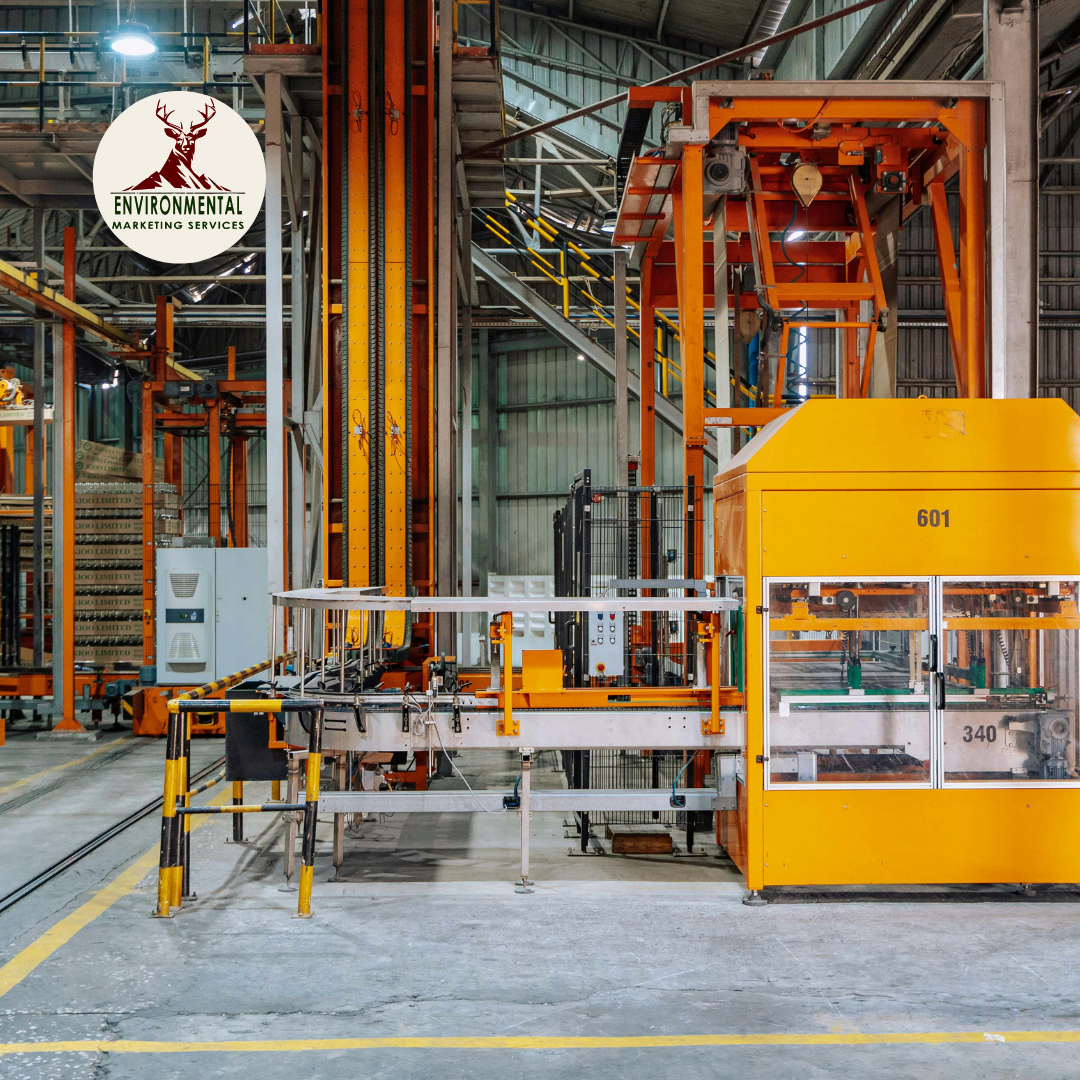
Protecting Your Facility with Safe Chemical Waste Disposal
Chemical waste is a fact of life for many businesses, from small laboratories to large manufacturing plants. Any leftover product, byproduct, or spent material that contains chemicals can threaten people, property, and the environment if it is stored, handled, or shipped the wrong way. Spills, releases, and mislabeled containers do more than create safety hazards; they can interrupt operations and lead to costly enforcement actions.
Working with a specialized chemical waste disposal company helps control those risks before they reach your loading dock or facility floor. A qualified partner brings trained personnel, proper equipment, and a clear process so waste is identified, packaged, and moved safely and compliantly. That support reduces your liability, protects your employees and community, and keeps your operations running. At Environmental Marketing Services, LLC (EMS), based in Seneca, South Carolina, we provide nationwide hazardous, non-hazardous, and chemical waste transportation and disposal for commercial and institutional generators across most of the United States, with an emphasis on compliant and sustainable solutions.
What Counts as Chemical Waste in Commercial and Institutional Settings
Chemical waste covers a wide range of materials, not just obvious drums of solvents or acids. In a typical facility, it can include anything from spent laboratory reagents to contaminated absorbents from a maintenance shop. Recognizing what counts as chemical waste is the first step to managing it properly.
Common types of chemical waste include:
- Corrosive waste, such as strong acids and bases
- Reactive waste that can explode, polymerize, or release toxic gases
- Ignitable waste like solvents, paints, and certain adhesives
- Toxic waste containing heavy metals, pesticides, or specific regulated chemicals
- Universal waste, such as certain batteries, lamps, and pesticides, managed under special rules
- Non-hazardous chemical byproducts that still require controlled disposal
These wastes show up across many industries. Laboratories and universities generate small containers of mixed chemicals, lab reagents, and research byproducts. Manufacturing plants may have solvent wastewater, off-spec product, spent oils, and process residues. Healthcare facilities handle pharmaceutical waste, disinfectants, and sterilants. Automotive operations accumulate used solvents, paints, and cleaning agents. Government and municipal facilities can generate everything from water treatment chemicals to surplus maintenance products.
Not all chemical waste is regulated as hazardous waste, but that does not mean it can be thrown away with regular trash. Hazardous waste must meet specific regulatory definitions for characteristics or listed wastes, while non-hazardous chemical waste may not trigger those same rules but still requires careful documentation and disposal. Both categories matter, because misclassifying waste can lead to improper treatment and long-term liability.
Core Services a Chemical Waste Disposal Company Should Provide
An effective chemical waste disposal program starts long before a truck arrives at your dock. It begins with understanding exactly what you have on site. Professional waste profiling and characterization are key. This can include site assessments, sampling, and reviewing Safety Data Sheets to classify each waste stream under Environmental Protection Agency (EPA) and Department of Transportation (DOT) regulations. Accurate profiling supports correct treatment, disposal, and transportation, and it helps avoid rejected loads or compliance issues later.
Once waste is characterized, it must be packaged and labeled correctly. Depending on the situation, that might involve lab packing small containers into compatible drums, consolidating similar liquids, selecting compliant containers, and applying proper labels and markings for storage and shipment. A full-service chemical waste disposal company will also prepare required shipping papers and manifests, then arrange secure transport to approved facilities across the country.
Treatment and disposal do not look the same for every material. Common options include:
- Recycling and recovery of usable components where possible
- Fuel blending for suitable organic solvents and flammable liquids
- Incineration for wastes that require destruction
- Neutralization or stabilization for corrosive or reactive materials
- Disposal in a compliant landfill when no higher-value option is appropriate
At EMS, we work to match each waste stream with a treatment or disposal method that supports regulatory compliance and long-term risk management, while pursuing more sustainable options where they fit.
Staying Compliant with EPA, DOT, and State Regulations
Chemical waste disposal is heavily regulated for good reason. Facilities that generate waste are subject to rules under the Resource Conservation and Recovery Act (RCRA), DOT hazardous materials regulations, the Toxic Substances Control Act (TSCA), and related Occupational Safety and Health Administration (OSHA) requirements. State and local regulations often add additional layers, which can be especially challenging for companies with multiple locations.
Generators have specific responsibilities, including:
- Making correct waste determinations for each chemical waste stream
- Following storage limits and container management rules for different generator categories
- Labeling containers accurately and keeping them closed when not in use
- Maintaining required records, manifests, and training documentation
- Preparing for emergencies with plans, equipment, and employee training
A reliable chemical waste disposal partner should help you keep these pieces aligned. At EMS, we support clients with documentation, manifest preparation and tracking and regulatory reporting support associated with transport and disposal. We also provide guidance when facilities are preparing for inspections or responding to questions from regulators, so your internal team is not handling those issues alone.
Building a Safer, More Sustainable Waste Program
Managing chemical waste simply as a one-time disposal problem can leave long-term liability on your balance sheet. A more strategic approach treats waste as part of your overall environmental and safety program. When you understand your waste streams, you can reduce the chance of releases, avoid abandoned materials, and cut future cleanup costs.
Sustainability plays an important role in this effort. Working with a professional disposal provider gives you insight into:
- Opportunities to reduce waste generation at the source
- Ways to segregate waste streams so more can be recycled or recovered
- Alternatives that may move waste from disposal to beneficial use
- Improvements that support your environmental, social, and governance (ESG) goals
A strong program is not just about containers and shipping paperwork. It depends on your people. Employee training on handling, labeling, and emergency response helps prevent mistakes at the point where they are most likely to occur. Clear written procedures and regular program reviews keep expectations consistent across shifts and departments. When these internal efforts are combined with external support from a capable chemical waste disposal company, your facility is better prepared for both day-to-day operations and unexpected events.
Choosing a Nationwide Chemical Waste Disposal Partner
For organizations with multiple facilities, national coverage simplifies waste management and helps standardize practices. Working with one provider that understands your waste streams and regulatory profile across many locations reduces duplicated effort and improves consistency. With service across 47 states, EMS is able to support commercial and institutional generators on a wide scale while still taking into account the differences between facilities.
When you evaluate a chemical waste disposal partner, it helps to ask questions such as:
- Are they properly licensed and insured for the services they provide?
- Do they have experience with your specific industry and types of waste?
- Can they support both hazardous and non-hazardous chemical waste streams?
- What are their transportation capabilities and geographic reach?
- How transparent are their reporting and documentation practices?
A strong relationship is built on communication and a clear understanding of your operations. At Environmental Marketing Services, we work collaboratively with generators to develop customized waste solutions that align with their regulatory requirements and operational needs. That can mean adjusting pickup frequency, refining packaging practices, or identifying treatment options that better match a facility’s goals for safety, compliance, and sustainability.
Protect Your Facility With Compliant Chemical Waste Management Today
If you are ready to put safe, compliant handling of hazardous materials in place, our chemical waste disposal services can be tailored to your exact operational needs. At Environmental Marketing Services, we work closely with your team to streamline disposal, reduce risk, and help you stay ahead of regulatory requirements. Reach out so we can review your current processes, identify gaps, and build a practical plan that fits your budget and schedule. To schedule a consultation or request a quote, simply contact us today.