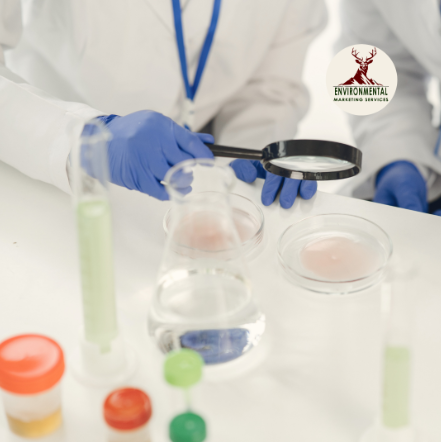
Laboratory waste disposal protects the people who work in your lab and helps keep daily operations on track. A clear process lowers the chance of spills, accidental mixing, exposure, and storage problems that can interrupt research, testing, teaching, manufacturing, or patient care.
We recommend treating waste management as an operating priority, not an afterthought. Labs can generate small amounts of highly hazardous material, and those small amounts still need careful handling from the moment they are created until final disposal.
Protect People and Keep Lab Operations Moving
Laboratory waste comes in many forms, including chemicals, solvents, acids, bases, contaminated materials, sharps, batteries, lamps, aerosols, and expired products. Some materials may look harmless in a small container, yet become dangerous when mixed, stored too long, or placed in the wrong waste stream.
A documented laboratory waste disposal process gives your team a dependable path to follow. It should cover identifying waste, separating it, labeling containers, storing material safely, planning pickups, arranging transportation, and confirming final disposal. Requirements may change based on the waste type, your location, generator status, and how your facility operates.
Fall is also a practical time to review lab waste practices. End-of-year cleanouts, inventory checks, academic lab turnover, maintenance work, and holiday closures can all increase the amount of material waiting for disposal. Planning early helps prevent crowded storage areas and rushed decisions.
Build a Reliable Laboratory Waste Disposal Program
A strong program starts with clear responsibility. We recommend assigning trained personnel to oversee waste procedures, answer internal questions, and make sure collection areas stay orderly. Written procedures and training records give employees a consistent reference point when they handle unfamiliar materials.
Your internal process should include collection points for each waste stream, along with clear instructions about what belongs in each container. It is also helpful to conduct routine audits of waste generation and storage practices.
During an audit, your team can review:
- Where waste is being generated
- What materials are entering each container
- How long containers remain on site
- Whether old chemicals or unknown containers need review
- Whether storage practices can be improved
Current chemical inventories and accessible Safety Data Sheets are equally important. Accurate records can help you identify hazardous characteristics, prevent duplicate purchases, and plan disposal before products become degraded, unlabeled, or difficult to manage.
For organizations with multiple facilities, we can help coordinate waste profiles, transportation, documentation, and disposal planning across locations. A qualified provider should account for the federal, state, and local requirements that may apply to each shipment.
Classify Waste Before It Enters a Container
Proper classification is the first step toward safe laboratory waste disposal. Before adding material to a container, your team should determine whether it may be hazardous waste, non-hazardous waste, universal waste, regulated medical waste, or another material needing specialized handling.
Hazardous waste may have one or more of these characteristics:
- Ignitability, meaning it can catch fire
- Corrosivity, meaning it can burn or damage materials
- Reactivity, meaning it may react violently or create pressure
- Toxicity, meaning it may harm people or the environment
A chemical does not need to look dangerous to require regulated handling. Expired products, off-specification materials, contaminated chemicals, and mixed solutions can all need careful evaluation. Labels, inventory records, and Safety Data Sheets can provide useful details, but they should not replace a proper review when questions remain.
Segregation matters just as much as classification. Acids, bases, oxidizers, solvents, cyanides, sulfides, and reactive materials should not be combined simply to save space. Incompatible waste can lead to heat, fire, pressure buildup, toxic gas releases, or other dangerous reactions.
Unknown chemicals require special caution. We advise against guessing what a container holds or pouring an unknown into another container. Instead, isolate it, document any available details, and arrange for proper characterization through a qualified waste services provider.
Package, Label, and Store Waste Safely
The right container can prevent leaks and accidental exposure. Use compatible, leak-resistant containers that are in good condition and large enough for expected waste generation. Containers should stay closed when they are not actively receiving waste, and food or beverage containers should never be used for laboratory waste.
Clear labels help everyone understand what is inside. Depending on your facility procedures and applicable requirements, labels may need to identify contents, hazards, and the accumulation start date. Specific descriptions are safer than vague terms such as “waste solvent” or “chemical mixture” when more information is available.
Designated accumulation areas should be secure and organized. Keep waste away from drains, heat sources, ignition sources, and incompatible materials. Secondary containment, open aisles, emergency equipment access, and regular inspections all help reduce risk.
Inspection records can also catch small issues before they become serious. Check for leaking containers, faded labels, bulging drums, missing closures, incompatible storage, and containers that may be nearing storage time limits. Prompt correction keeps your lab safer and your records cleaner.
Plan Transportation and Final Disposal with Confidence
Waste responsibilities do not end when containers leave the laboratory. Generators still need confidence that materials are transported, treated, recycled, or disposed of through appropriate channels. Choosing the right path protects people, property, and the environment.
Shipment paperwork may include waste profiles, manifests, bills of lading, land disposal restriction notices, and certificates of destruction or recycling when applicable. Accurate documents create a traceable record and help support compliant handling throughout the process.
Scheduling pickups before storage rooms become crowded can make a major difference during fall cleanouts. Used solvents, surplus chemicals, universal waste, outdated inventory, and lab cleanout materials are easier to manage when your team plans ahead.
Our team at Environmental Marketing Services supports hazardous, non-hazardous, and universal waste transportation and disposal solutions for organizations in multiple states. Coordinated planning is especially helpful when your facilities operate in more than one state and need a consistent approach.
Complete a Fall Lab Waste Review
A seasonal review gives your team time to inspect accumulation areas, confirm employee training records, update chemical inventories, and identify materials that need evaluation before year-end activity picks up. It also creates an opportunity to correct labeling, storage, and segregation issues before they lead to larger problems.
Safer laboratory waste disposal begins with a simple habit: know what you have, keep it properly contained, and address it before it becomes a storage concern. A planned review can support cleaner workspaces, safer employees, and smoother lab operations throughout the season.
Make Lab Waste Management Easier
Environmental Marketing Services can help your team build a reliable plan for compliant, organized laboratory waste disposal. Our experienced professionals work with labs to identify practical handling and pickup solutions for their waste streams. When you are ready to discuss your needs, contact us for guidance.