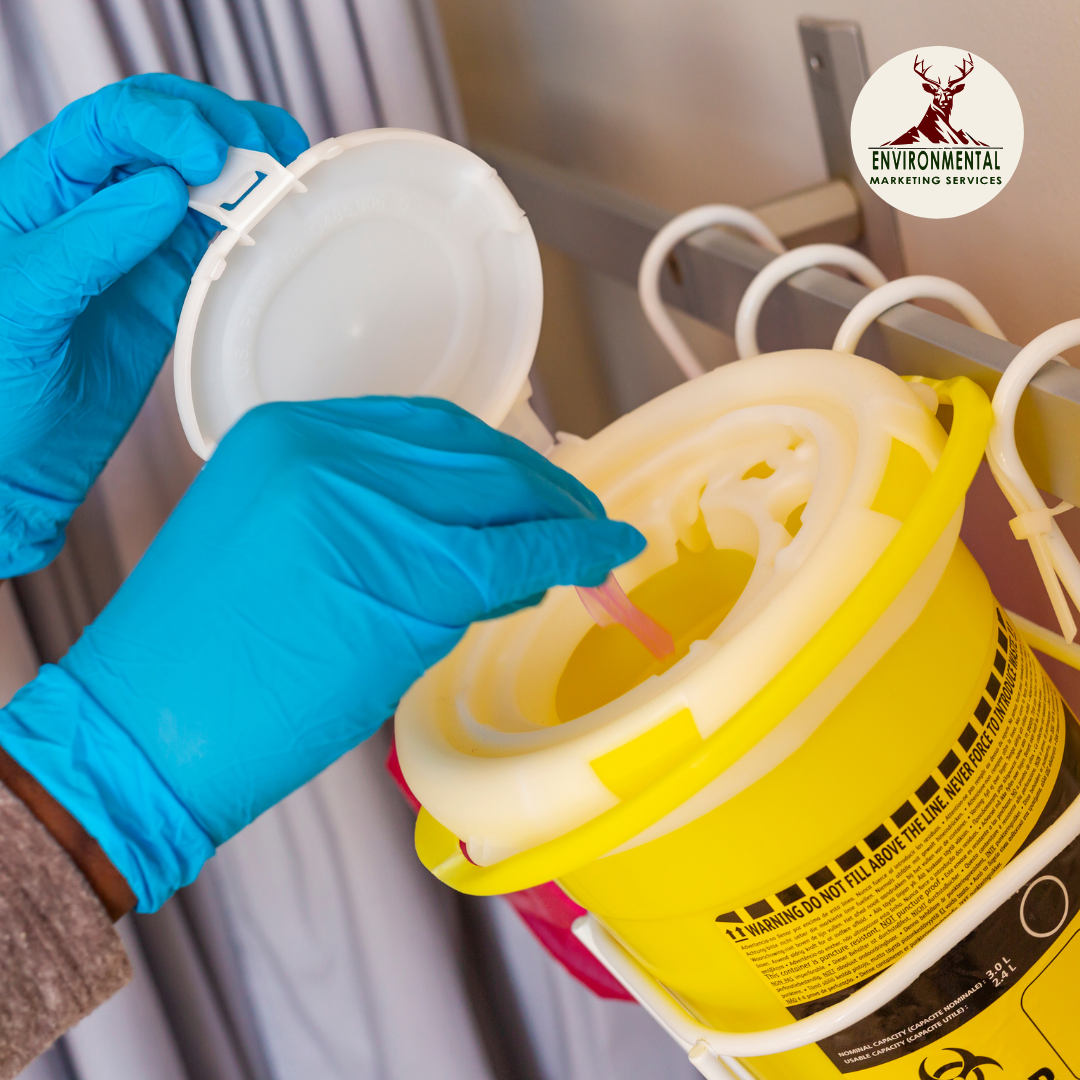
Complete Guide to Controlled Substances Disposal in Seneca, SC
Safe controlled substances disposal is a daily concern for hospitals, clinics, pharmacies, and other facilities in Seneca and across Oconee County. When these drugs are not handled correctly, they create real risks for patients, staff, and the wider community, as well as serious regulatory exposure for the organizations that generate them. This guide walks through what counts as a controlled substance, why disposal is so tightly regulated, and how to put practical systems in place that protect your facility and your neighbors.
At Environmental Marketing Services, LLC, we work with commercial and institutional generators across 47 states, including South Carolina, to manage hazardous, non-hazardous, and universal waste. Controlled substances often intersect with hazardous waste rules, so having a clear, step-by-step approach to disposal can make your hazardous waste disposal services in Seneca, SC safer, more efficient, and more compliant.
Why Safe Controlled Substances Disposal Matters in Seneca
Controlled substances are medications regulated for their potential for abuse, dependence, or diversion. In many facilities, these include prescription pain medications, ADHD medications, sedatives, anti-anxiety drugs, and certain veterinary drugs. Unlike general pharmaceutical waste, controlled substances must be handled under specific security and recordkeeping requirements that affect how they are stored, used, and destroyed.
Improper disposal can take many forms, such as flushing drugs down sinks or toilets, tossing them in regular trash, or leaving them in unsecured containers. Each of these practices can lead to problems like diversion and addiction if drugs are removed from the waste stream and misused, accidental poisonings involving children, pets, or staff, and contamination of drinking water sources and local waterways.
In Seneca and the broader Oconee County area, community health and environmental protection are closely linked. Facilities that manage controlled substances are increasingly scrutinized by regulators, insurers, and the public. A single incident involving diversion, improper destruction, or environmental release can bring fines, investigations, and reputational damage that is hard to repair. Solid disposal procedures are not just about staying legal; they are about being a responsible neighbor in our local community.
Regulations Governing Disposal in South Carolina
Several layers of regulation affect how controlled substances are handled, transported, and destroyed. At the federal level, the Drug Enforcement Administration (DEA) enforces the Controlled Substances Act and issues detailed rules for registration, security, inventory, recordkeeping, and disposal. DEA drug disposal regulations address who can destroy controlled substances, acceptable methods, and documentation requirements.
The Department of Transportation (DOT) regulates the transport of hazardous materials, which can include certain pharmaceutical wastes. At the same time, Environmental Protection Agency (EPA) rules can apply when a controlled substance meets the definition of a hazardous waste. That overlap is why many facilities choose experienced hazardous waste disposal services in Seneca, SC, so they can align DEA, DOT, and EPA obligations instead of trying to manage them separately.
South Carolina adds its own requirements through state pharmacy, healthcare, and environmental agencies. Hospitals, clinics, long-term care facilities, and pharmacies must follow state-specific rules on drug storage, dispensing, inventory, and handling of unused or expired medications. Environmental regulations can affect how wastes are stored on-site and which disposal methods are allowed, especially when a waste is both a controlled substance and a hazardous waste.
Controlled substances that also qualify as hazardous waste require extra care, because both sets of rules apply. In those cases, it is important to work with a provider that understands how to classify, package, and move those materials so that each regulatory requirement is met without creating new risks.
Common Generators in Seneca and Upstate South Carolina
Across Seneca and the Upstate region, a wide range of organizations generate controlled substances waste. These include hospitals and health systems, outpatient clinics and surgery centers, dental practices, veterinary clinics, community and retail pharmacies, long-term care and assisted living facilities, correctional facilities, universities and campus health centers, and industrial or occupational health clinics.
How responsibilities are assigned can differ depending on whether a facility is a DEA registrant or a non-registrant. Registrants usually have more direct authority, and responsibility, for destroying controlled substances, along with added recordkeeping and security duties. Non-registrant organizations may need to work through a registered partner or use specific mail-back or take-back systems that are designed for their status.
Healthcare facilities manage controlled substances in a clinical setting, where issues like partially used doses, patient returns, and drug samples are common. Manufacturers, laboratories, and research facilities may generate controlled substances during production, testing, or experimentation. Typical problem areas include:
- Expired stock in automated dispensing machines or pharmacy shelves
- Leftover contents in syringes, vials, and IV bags
- Unused drugs returned by patients or families
- Waste from compounding or formulation changes
- Surplus or outdated drug samples in provider offices
Each of these requires clear procedures so that no one is left guessing what to do with a particular container or dose.
Safe, Compliant Disposal Methods Step by Step
A strong controlled substances disposal program starts with approved destruction methods. Many facilities rely on DEA-compliant drug destruction systems that render drugs non-retrievable, meaning they cannot be practically recovered or abused. Others use reverse distribution programs for certain unused medications, where eligible products are sent back through specialized channels. In some cases, witnessed on-site destruction is allowed, as long as it meets federal and state standards and is properly documented.
Internally, your procedures are just as important as the final destruction method. Key elements usually include:
- Segregating controlled substances from regular trash and other pharmaceutical waste
- Using locked, clearly labeled containers for storage prior to destruction
- Maintaining chain-of-custody documentation from generation to final disposal
- Training employees on diversion risks, proper logging, and incident reporting
- Auditing practices regularly to catch gaps and prevent patterns of misuse
When you work with an experienced provider, the process typically follows a consistent workflow. First, a waste assessment identifies which controlled substances and related wastes are being generated, and how they should be classified. Next, appropriate containers and labeling systems are selected, so staff know exactly what goes where. Then, a pickup schedule is coordinated, taking into account storage limits, security concerns, and operational needs. Finally, the waste is transported under applicable DOT rules to an authorized destruction facility, and your organization receives documentation confirming final treatment or destruction.
This is also a good time to look at how controlled substances disposal fits into your broader hazardous waste disposal services in Seneca, SC, since many facilities benefit from having a unified process instead of separate, disconnected systems.
Choosing the Right Waste Management Partner in Seneca
Selecting a waste management partner for controlled substances is not just about moving boxes from one place to another. You want a provider with appropriate licensing and insurance, strong experience with DEA and EPA requirements, and the ability to manage both controlled substances and other regulated wastes that your facility generates.
It is helpful to ask potential partners about:
- Their experience with healthcare and institutional generators in South Carolina
- How they handle overlapping DEA, DOT, and environmental rules
- What types of documentation and manifests they provide after destruction
- Whether they can manage hazardous, non-hazardous, and universal waste together
- Their procedures for security, chain of custody, and incident response
As a waste management company based in Seneca, Environmental Marketing Services is familiar with the needs of local facilities and the regional regulatory climate. Integrating controlled substances management with broader hazardous waste disposal services in Seneca, SC can simplify compliance, reduce the number of vendors you manage, and create more consistent recordkeeping and staff training. Many generators find that having one partner for multiple waste streams reduces confusion for frontline staff and helps leadership see the full picture of their environmental responsibilities.
Protecting Your Facility and Community Through Proactive Action
Strong controlled substances disposal practices rarely happen by accident. They come from deliberate review, clear procedures, and regular staff education. A practical starting point is to map current workflows: how drugs are stored, administered, returned, and discarded. From there, you can identify where controlled substances might be slipping into regular trash, being stored in unsecured areas, or not clearly documented at destruction.
Helpful next steps often include:
- Conducting a waste stream audit that includes controlled substances, hazardous, and universal wastes
- Updating written policies to reflect current federal and South Carolina regulations
- Providing focused training for nursing, pharmacy, veterinary, and research staff
- Aligning controlled substances destruction with your existing hazardous waste programs
- Reviewing your records to ensure you can demonstrate compliance if asked
By taking a proactive approach, facilities in Seneca and throughout Oconee County can better protect patients, staff, and the environment. Thoughtful controlled substances disposal keeps addictive drugs out of the wrong hands, helps safeguard local waterways, and supports the reputation of your organization as a responsible member of the community. When controlled substances management is integrated with reliable hazardous waste disposal services in Seneca, SC, compliance becomes part of everyday operations rather than a scramble when inspections or issues arise.
Protect Your Facility With Compliant Waste Solutions Today
If you are ready to handle hazardous materials safely and stay compliant, our team is here to help you plan and manage every step. Learn how our hazardous waste disposal services in Seneca, SC can reduce risk, control costs, and streamline your operations. At Environmental Marketing Services, we work closely with you to design solutions tailored to your facility’s specific waste streams. Reach out through our contact page, and we will respond promptly to discuss your project.