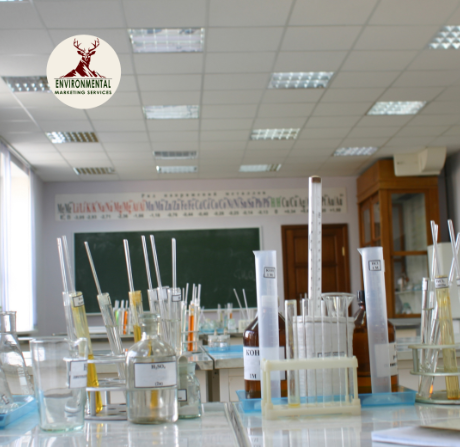
Understanding lab packs and their significance is key to maintaining a safe and efficient laboratory environment. These specialized containers ensure the secure storage, handling, and disposal of hazardous, biological, and universal waste commonly found in lab settings. Effective waste management plays a major role in protecting people, property, and the environment from potential harm.
Proper waste practices are more than just a safety measure. They help laboratories remain compliant with strict federal and state regulations. Given the nature of lab waste—often reactive or toxic—improper handling can lead to serious consequences like chemical exposure, fines, or environmental damage. Lab packs provide an organized method for waste management and help streamline the disposal process to minimize risks.
Types of Waste Managed by Lab Packs
Laboratories generate a wide variety of waste materials. Lab packs are built to be flexible and secure, making them suitable for storing different waste types while ensuring each is handled with care. Here are the most common waste types found in lab environments:
1. Chemical Waste
Many labs use solvents, acids, bases, and other reactive substances. These materials require careful storage to avoid leaks, spills, and incompatible chemical reactions. Lab packs separate different classes of chemicals using appropriate container materials and dividers, which prevents dangerous incidents during handling or transport.
2. Biological Waste
Biological waste includes anything contaminated by or originating from living organisms. This can range from pipette tips to petri dishes exposed to bacteria, and even blood samples or cultures. When properly packed, this waste is isolated to prevent contamination or spreading outside the lab.
3. Universal Waste
Universal waste includes everyday items still regulated due to their potential environmental harm. These may include batteries, mercury-containing equipment, or fluorescent bulbs. Lab packs provide a regulated method for storing and discarding these items to avoid environmental penalties.
Properly identifying and storing these waste types helps avoid cross-contamination and reduces potential risks. It also ensures materials are disposed of following specific industry standards.
Steps to Properly Organize and Use Lab Packs
Organizing and using lab packs efficiently starts with thoughtful planning and a clear understanding of the waste being managed. The following steps help promote safety, maintain order, and meet all necessary regulations.
1. Identification and Categorization
Before any materials are packed, they need to be correctly identified. This means checking product labels, safety data sheets, and understanding the group each substance belongs to. Separating waste into chemical, biological, or universal categories ensures proper storage and helps avoid any incompatibilities.
2. Packaging and Labeling Requirements
Once identified, waste should be sealed in compatible containers that are leak-proof and resistant to corrosion, pressure, or other hazards. Accurate and compliant labeling is necessary for each container. Include exact contents, hazards, date of packaging, and any relevant safety codes. This information is important for transporters and disposal facilities and helps reduce the chance of mishandling.
3. Storage Guidelines
After labeling and sealing, lab packs should be placed in secure locations. Storage areas must be clearly marked and protected from temperature extremes, moisture, and unauthorized access. Regular inspections should be scheduled to confirm that packaging is intact and labels remain readable. Storing lab packs away from general work areas can further reduce the risk of exposure or accidents.
With a consistent process in place, labs can avoid mistakes and pass regular inspections. Organized packing also simplifies documentation and improves waste tracking, which can be helpful when preparing compliance reports or audits.
Benefits of Using Professional Lab Pack Services
Managing lab waste takes time, resources, and training. Hiring a professional service that specializes in lab pack management offers several key advantages.
1. Safety and Compliance
Trained teams understand how to safely package, label, and store hazardous materials according to all regulatory frameworks. Their expertise minimizes the risk of injury, contamination, or legal violations. It also ensures your facility remains up to date with state and federal compliance requirements, decreasing the chance of penalties or shutdowns.
2. Environmental Protection
Professional services use approved methods to handle and dispose of various waste types. Many also offer recycling or waste-to-energy options that reduce environmental harm. When handled improperly, lab waste can cause leaks, air contamination, or water pollution. Avoiding these outcomes is a shared responsibility between labs and disposal providers.
3. Increased Lab Efficiency
Outsourcing your waste management gives laboratory personnel more time to concentrate on core research and operations. When experienced professionals handle the classification, storage, and shipment of hazardous materials, your team can focus their skills on innovation, not paperwork or logistics. This shift in responsibility boosts productivity and reduces the stress tied to regulatory compliance.
Choosing to partner with experts helps labs avoid costly errors—both financial and environmental. It also improves overall workflow by removing the burden of handling complex disposal tasks in-house.
Compliance and Regulatory Considerations
Strict regulations exist to protect both people and ecosystems from dangerous waste. Laboratories must remain aware of and consistently comply with policies set by agencies like OSHA and the EPA.
1. Overview of Relevant Regulations
OSHA outlines safety procedures and requires proper hazard communication, especially when working with chemicals. The EPA governs how hazardous waste should be documented, transported, and disposed of. Labs found to be in violation of these rules may face financial penalties or restricted operations.
2. Importance of Staying Compliant
Meeting every regulation ensures more than basic safety. It shows that your lab respects public health standards and operates responsibly. Compliant labs avoid penalties, and their procedures are more likely to pass inspections with minimal disruption. Research institutions and government-funded labs often maintain compliance scores that affect eligibility for future projects or grants.
3. Consequences of Non-Compliance
Failure to follow regulations might lead to serious outcomes, including legal charges or facility shutdown. Incorrect documentation, improper labeling, or missed safety steps can all spark investigations or site audits. Some of the consequences are financial, but others may involve harm to staff, reputational damage, and increased scrutiny from regulators.
A focus on compliance helps create a culture of accountability and care. Staff stay protected, leadership avoids liability, and the work of the lab continues without interruption.
Creating a Safer, Well-Managed Lab Environment
Managing laboratory waste using lab packs is more than a regulatory task. When handled correctly, it builds a safer and more productive lab space. Organizing waste by type, following packaging standards, and knowing when to call in professional services can all reduce risk and improve workflow.
Laboratories that adopt structured waste protocols often experience fewer incidents, increased efficiency, and stronger relationships with public health agencies. More importantly, they reinforce their role as responsible stewards of both public safety and environmental health.
Environmental Marketing Services is committed to helping labs meet high waste management standards. Our professional team supports you through every step of the process—from classification to compliance—ensuring your facility can operate safely and smoothly.
Adopting efficient waste management practices is key to a safe and compliant laboratory environment. Environmental Marketing Services is here to assist with hazardous waste services. By relying on expert guidance, your lab will not only adhere to regulations but also promote a safer, more sustainable future. Reach out to ensure your waste management aligns with the best practices in the industry.