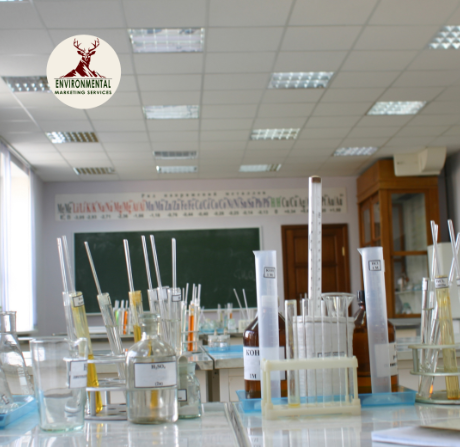
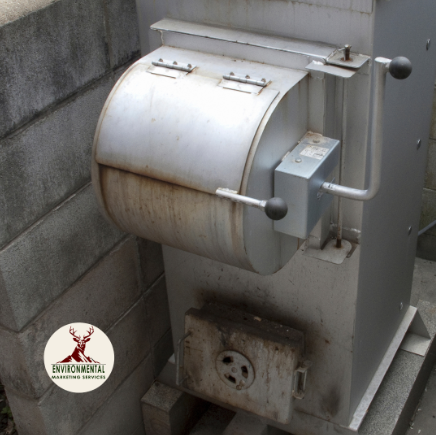
The subject of toxic waste disposal, while often overlooked, is of considerable importance. It necessitates a deep understanding of the nature of toxic waste and the imperative for its secure and responsible disposal. Toxic waste consists of materials that can pose a threat to our environment and health. These hazardous wastes can stem from several sources, including industrial processes or laboratories. When not dealt with properly, they can lead to contamination that affects air, soil, and water.
A leak of toxic waste into the local water supply would cause significant harm to aquatic life and pose serious health risks to those relying on that water for drinking and agriculture. As such, proper disposal of toxic waste is essential. Ensuring these materials are managed with care protects both the environment and public health, allowing communities to thrive without hazardous pollution.
Understanding Toxic Waste
Toxic waste isn’t limited to just one particular type of material. It can be anything from chemicals used in manufacturing to byproducts from a routine lab experiment. Some common examples include solvents, pesticides, and mercury. In industrial settings, factories might produce waste chemicals during production processes, while labs might end up with expired reagents that need to be safely discarded.
Why is paying attention to this kind of waste so important? Toxic waste has the potential to release harmful pollutants into the environment. These pollutants can break down into compounds that are damaging over time. They may disrupt ecosystems, poison wildlife, and even find their way into human communities through the food chain or direct exposure.
Industrial discharges are documented to cause contamination of regional water resources, necessitating significant community efforts to secure people’s safety. This helps highlight how important it is to identify and handle toxic waste before it becomes a bigger problem. By understanding what creates toxic waste and recognizing its potential dangers, businesses can implement safety measures that prevent accidents and keep people safe.
Safe Disposal Methods
There are several methods out there for disposing of toxic waste responsibly. Each one works in different ways to help make sure hazardous materials don’t end up in places they shouldn’t be. Some of the most common and reliable disposal methods include:
- Landfill Disposal: Specially designed landfills isolate toxic waste, keeping it from leaking into soil or groundwater. These landfills meet strict standards and are built with protective layers to contain dangerous materials.
- Incineration: Burning waste at extremely high temperatures breaks down chemicals into less harmful substances. Incineration must be tightly controlled so that it doesn’t release toxic gases into the air.
- Chemical Treatment: Some waste can be treated using neutralizing agents that make the material less harmful. This method changes the chemical structure of the substance to reduce the danger it poses.
- Recycling: When possible, some toxic materials can be repurposed or processed for reuse. This helps keep waste from piling up and allows businesses to reduce their environmental footprint.
Following government regulations is a key part of every disposal method. Local and federal rules are created to make sure materials are handled correctly and safely. Having clear processes in place, training teams on proper procedures, and keeping detailed records are all part of responsible waste management. These steps help keep businesses in compliance and protect the surrounding environment.
How to Identify Toxic Waste in Your Facility
Walking through a facility, warehouse, or laboratory means crossing paths with materials of all types. Some of those may be toxic, and it’s helpful to know how to spot them safely. The first step is understanding common signs that show waste might be hazardous.
Look for these indicators:
– Material Safety Data Sheets (MSDS): These sheets list important information, such as hazards, handling tips, and disposal directions for different substances found in a facility.
– Physical Warning Signs: Corrosion, odd textures, smells, or deformities in storage containers can be signs that a material is toxic or unstable.
– Unusual Reactions: If substances start smoking, changing color quickly, or heating up unexpectedly, that could mean they’re dangerous.
– Clear Labels: Many government agencies require dangerous materials to be tagged with warning labels. These labels might include symbols or color codes that show a material is hazardous.
Spotting toxic waste early gives facility managers and employees time to respond properly. Training teams to pay close attention to these signs can stop problems from growing. Everyone on-site should know where to report a concern and what actions to take if they come across something suspicious.
The Role of Environmental Marketing Services
Handling toxic waste correctly isn’t just about throwing something in the trash. It takes skill, experience, and full knowledge of local and federal waste rules. This is where Environmental Marketing Services comes in.
Our team helps identify toxic waste types, choose the right disposal methods, and maintain the paperwork needed for full regulatory compliance. Working with us means you can count on a streamlined process that reduces risk and gives you time back to focus on other parts of your operation.
By working with a professional service, you’ll get:
– Peace of Mind: Our trained experts will make sure all disposal steps follow the law and protect public and environmental health.
– Time Efficiency: Instead of researching rules or handling everything alone, we take care of the planning and paperwork.
– Risk Reduction: Eliminating the risk of fines, accidents, or contamination helps your team focus safely on their jobs.
Choosing to bring in experienced professionals is a confident step toward long-term safety and success in your waste management approach.
Keeping Your Facility Safer
Safety isn’t something that happens on its own. It takes set systems and habits that keep hazardous material under control. When done right, a successful safety plan can improve daily operations and reduce business risks.
Here are a few ways to boost facility safety:
- Regular Inspections: Walk-throughs of your space and equipment can point out minor issues before they become major problems.
- Employee Training: Keep your team educated with regular updates on how to safely store, label, and dispose of toxic waste.
- Clear Labelling: Make sure all potentially dangerous substances have easily understood labels. Workers should be able to identify substances at a glance.
- Emergency Procedures: Create and practice response plans for spills or other waste accidents. Every team member should know exactly what to do and where to go.
These steps help form the foundation of a facility where everyone knows how to prevent danger and work with confidence. A strong plan for toxic waste and safety doesn’t just protect your building. It sends a message that you care about everyone who works there.
Trust Environmental Marketing Services for Your Waste Management Needs
Safe disposal of toxic waste is non-negotiable when it comes to protecting people, property, and the environment. Harmful materials can show up in places you don’t expect, from labs and production lines to simple storage closets. But you don’t have to handle it all alone.
By partnering with Environmental Marketing Services, you get experience, precision, and peace of mind. We’re here to guide you through the process, help you meet all safety and legal guidelines, and take the weight of waste management off your team. Let us help you build a cleaner, safer facility.
To ensure reliable and thorough waste disposal, consider integrating hazardous waste services into your facility’s routine. By partnering with Environmental Marketing Services, you’ll gain the expertise needed to efficiently manage toxic materials while keeping your facility safe and compliant. Reach out today for more details on how we can assist with your waste management needs.