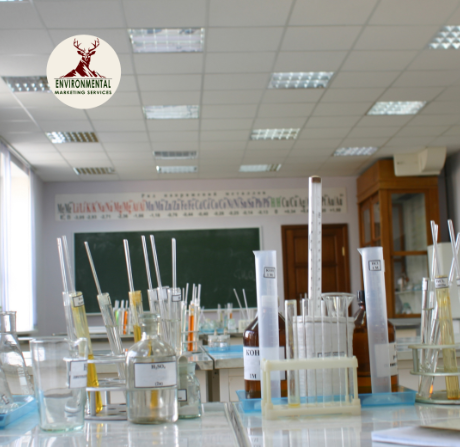
Proper lab pack disposal turns a crowded chemical storage area into a clear, managed plan. When outdated, unknown, expired, damaged, or surplus materials build up, they can create safety concerns and make routine operations harder.
We help organizations sort through these materials, identify what needs special attention, and prepare waste for proper transportation and disposal. A thoughtful plan can make cleanup more organized while helping you prepare for applicable waste handling requirements.
Turn Complex Lab Waste Into a Managed Disposal Plan
Lab pack waste is made up of small containers collected for disposal. These containers may hold chemicals, reagents, solvents, acids, bases, aerosols, and other materials that cannot simply be poured into a bulk waste drum.
Depending on the material, a lab pack may include hazardous, non-hazardous, universal, or other regulated waste streams. Lab pack services simplify the process by placing compatible containers into approved larger packaging for transportation, treatment, and disposal.
A planned approach is helpful for laboratories, schools, manufacturers, healthcare facilities, research centers, and industrial operations. By addressing stored chemicals before they become an obstacle, you can reduce avoidable handling risks, clear valuable storage space, and prepare more effectively for internal reviews or facility changes.
Fall is often a natural time for a lab cleanout. Summer projects may be ending, annual inventories may be underway, and schools or operations may be starting a new cycle. Reviewing stored materials before year-end planning can prevent old containers from being forgotten for another season.
Understand What Belongs in a Lab Pack
Lab pack disposal is designed for smaller containers that need individual review. Proper identification and classification help determine how each item should be packaged, transported, and managed at its final destination.
Common lab pack materials may include:
- Acids, bases, and other corrosives
- Flammable liquids, solvents, and paints
- Oxidizers, reactives, and lab reagents
- Pesticides, aerosols, and mercury-containing devices
- Expired chemicals and damaged or surplus containers
Not every container follows the same disposal path. Hazardous waste, non-hazardous waste, universal waste, and materials requiring special handling may each have different requirements. We can help you review available information and determine the appropriate path for your waste stream.
Unknown chemicals deserve extra care. An old label, faded handwriting, or the appearance of a container is not enough to make a safe decision. When possible, preserve labels, keep containers closed, separate incompatible materials, and provide any available records or safety data. Unknown, leaking, damaged, or potentially unstable containers should be identified early so trained personnel can plan for them appropriately.
Prepare an Accurate Inventory Before Disposal
A clear inventory is the foundation of efficient lab pack disposal. Before materials are packaged, we need a reasonable picture of what is present, where it is stored, and what condition it is in. That information helps us estimate packaging needs, prepare shipping documents, and coordinate transportation resources.
For each item, record as much information as you can find, including:
- Chemical name or product name
- Container size and number of containers
- Condition of the container, including leaks or damage
- Available labels, safety data, or manufacturer information
- Storage location and any known handling concerns
As you build the inventory, organize materials by hazard class without combining them. Flammables, corrosives, oxidizers, toxics, and reactives should remain separated according to safe storage practices and transportation requirements. Sorting does not mean mixing. It means making the materials easier for trained waste professionals to evaluate.
Look beyond the obvious chemical cabinets, too. We often see legacy materials in maintenance rooms, satellite labs, classroom storage, warehouses, emergency response cabinets, and spaces left behind after staff changes or completed projects. A wider review can uncover containers that would otherwise remain out of sight.
Follow Safe Packaging and Transportation Practices
Once materials are identified, compatible containers can be placed into larger approved drums with absorbents and protective packaging. This is the basic idea behind lab packing: small containers are managed in a way that helps reduce risks during handling, transportation, and final disposal.
Compatibility matters at every stage. Chemicals that could react, create heat, release gases, or raise fire concerns must be kept apart. Those decisions should be made by trained professionals using available chemical information and applicable requirements, not by guesswork.
Hazardous materials transportation can involve Department of Transportation requirements for shipping descriptions, container standards, labels, manifests, and trained personnel. Requirements can differ based on the material and its classification, which is why planning before pickup matters.
For organizations with more than one site, coordination can become even more important. A consistent approach to inventories, packaging, transportation, and documentation can help lab pack projects stay organized across laboratories, warehouses, schools, and facilities in different states.
Choose the Right Lab Pack Disposal Partner
Price is only one part of a lab pack decision. Clear communication, practical scheduling, documentation, accepted material types, and appropriate treatment or disposal options all affect whether a project runs smoothly.
When evaluating a provider, we recommend asking how they handle unknowns, damaged containers, urgent situations, packaging, transportation arrangements, and required records. It is also helpful to understand what information they need before arriving onsite. A provider that asks detailed questions early is better prepared to manage the materials safely.
Hazardous waste carries cradle-to-grave accountability, meaning your organization should keep applicable records and understand where materials are being transported. Waste may be sent for recycling, treatment, incineration, stabilization, or disposal, depending on its characteristics and the available management path.
Lab pack projects often require careful coordination from the first inventory review through final documentation. Clear records, accurate material information, and appropriate packaging decisions can help support safer handling and more organized waste management.
Schedule Your Fall Lab Cleanout with Confidence
A proactive cleanout can keep aging chemicals from becoming a larger safety, compliance, or operational concern. Start by reviewing your inventory, identifying priority containers, and separating materials that may need special attention. Early planning gives your team more room to make sound handling decisions.
As fall begins, use the season to clear storage areas, prepare for audits or inventory reviews, and create a safer workspace before year-end tasks pile up. The best lab pack disposal plan begins with accurate information, careful separation, and professional handling for materials that should not remain in storage.
Keep Your Lab Waste Moving Safely
Environmental Marketing Services can help you arrange reliable lab pack disposal for materials that need proper handling. Our team works with you to support organized waste removal and safer operations. For help with your next pickup or disposal needs, contact us today.