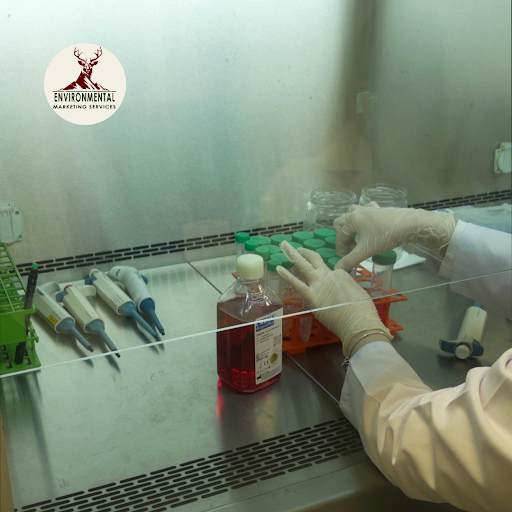
Protecting People and the Environment From Hazardous Waste
Hazardous disposal is not just a paperwork requirement; it is about keeping people, property, and the environment safe. When hazardous waste is stored, handled, or shipped the wrong way, it can injure workers, contaminate air and water, and create long-term problems for surrounding communities. Even small mistakes, like mixing incompatible wastes or using the wrong container, can quickly turn into costly incidents.
For businesses and institutions, compliant hazardous disposal also protects the bottom line. Proper handling reduces the chance of spills, fires, and exposure incidents, and it helps you avoid regulatory penalties and enforcement actions. Just as importantly, it protects your brand reputation with employees, neighbors, and customers who expect you to manage waste responsibly.
At Environmental Marketing Services, LLC, based in Seneca, South Carolina, we help generators across most of the United States manage hazardous, non-hazardous, and universal waste safely and cost-effectively. We focus on practical, compliant solutions that fit real facilities and real budgets, so you can keep your operations moving while staying aligned with regulations.
What Qualifies as Hazardous Waste and Why It Matters
Before you can arrange proper hazardous disposal, you need to know exactly what you are dealing with. Hazardous waste is generally any discarded material that can pose a significant threat to human health or the environment when it is not managed correctly. In industrial, commercial, and institutional settings, this often includes spent solvents, certain process residues, contaminated rags and absorbents, some sludges, and out-of-spec products.
Non-hazardous waste covers a wide range of materials that do not meet regulatory criteria for hazardous waste but still need appropriate management, such as general solid waste or certain industrial byproducts. Universal waste is a special category that typically includes items widely generated by many facilities, such as some batteries, lamps, certain pesticides, and mercury-containing equipment, which are subject to streamlined rules.
Hazardous wastes are typically identified by characteristics like:
- Ignitability, materials that catch fire easily
- Corrosivity, acids or bases that can corrode metal or damage skin
- Reactivity, unstable materials that may explode or release toxic gases
- Toxicity, substances that can be harmful if inhaled, ingested, or absorbed
These characteristics influence how waste must be stored, labeled, and transported. For example, ignitable liquids need appropriate grounding and bonding, reactive materials must be kept away from incompatible chemicals, and toxic wastes often require specific containers and handling procedures.
Accurate classification is the foundation of safe handling and compliant hazardous disposal. If waste is misclassified as non-hazardous when it is actually hazardous, it may be stored in the wrong area, shipped with the wrong paperwork, or sent to an inappropriate facility. That creates safety risks and can lead to regulatory violations and fines. Getting classification right up front helps keep your people safe and your compliance programs on track.
Core Regulations Governing Hazardous Disposal Compliance
Hazardous disposal in the United States is built around the Environmental Protection Agency’s Resource Conservation and Recovery Act, often called RCRA. RCRA sets up a cradle-to-grave system, which means the generator is responsible for hazardous waste from the moment it is created until final treatment or disposal. That responsibility does not end when the waste leaves your loading dock.
As a generator, you have several key responsibilities under federal and state regulations. These typically include properly identifying each waste stream, assigning correct waste codes, and adhering to accumulation time limits based on your generator category. You must store waste in compatible containers, keep containers closed except when adding or removing waste, and follow labeling and inspection requirements. Good recordkeeping, from manifests to training records and internal logs, is essential to demonstrate compliance.
Transportation and disposal are also heavily regulated. Hazardous waste shipments must comply with Department of Transportation rules for packaging, labeling, placarding, and documentation. When you work with a qualified transporter and disposal company, you gain support in meeting these requirements. At Environmental Marketing Services, we coordinate hazardous, non-hazardous, and universal waste transportation and disposal in compliance with applicable DOT, EPA, and state rules across the many states we serve.
Safe Handling Practices Before Waste Leaves Your Facility
Good hazardous disposal starts with what happens inside your facility. Thoughtful container selection is critical. Waste should be placed in containers that are compatible with the material, in good condition, and appropriately sized. Containers must be kept closed when not in use, with clear labels that identify the contents and the associated hazards.
Segregation is another key practice. Incompatible wastes, such as acids and bases or oxidizers and organic materials, should not be stored together. Keeping hazardous and non-hazardous wastes separate prevents unnecessary volume from being classified as hazardous and simplifies disposal.
Employee training is at the heart of safe handling. Your team should understand:
- How to recognize different waste streams and their hazards
- What personal protective equipment is required for specific tasks
- How to respond to spills or leaks safely and promptly
- Who to notify in an emergency and how to communicate clearly
A written spill response plan and regular drills help ensure that people know what to do when something goes wrong. Internal tracking and documentation, from container logs to accumulation area inspections, prepare waste for compliant shipment and make regulatory inspections more straightforward.
Choosing a Qualified Transportation and Disposal Partner
Once your waste is properly managed on site, you need a transportation and disposal partner you can trust. Not all providers are the same, and choosing well can make a significant difference in safety, cost, and compliance confidence.
When evaluating partners, consider:
- Appropriate permits and regulatory approvals for hazardous waste activities
- Adequate insurance coverage to protect your business
- A strong safety culture and incident history
- Experience with your types of waste and industry
- The ability to serve all your locations consistently
Environmental Marketing Services coordinates transportation, profiling, and final disposal for hazardous, non-hazardous, and universal waste for generators across much of the country. We work to align each shipment with regulatory requirements while keeping an eye on efficiency and cost control. Many facilities find that working with a single nationwide provider simplifies scheduling, consolidates reporting, and supports consistent service standards across multiple sites.
Building a Long-Term Waste Management Strategy
Effective hazardous disposal is not a one-time task; it is an ongoing part of operating a safe, compliant facility. A proactive approach begins with understanding your waste streams through regular audits. This helps identify opportunities to reduce the volume and toxicity of waste at the source, change processes, or substitute materials that generate less hazardous residue.
A structured program for waste management includes standardized procedures, clear roles and responsibilities, and recurring training. When your processes are documented and repeatable, you spend less time putting out fires and more time improving performance. Coordinated vendor partnerships also support long-term success, giving you consistent support across different waste streams and locations.
Over time, these efforts can reduce the amount of material that requires hazardous disposal, cut handling and transportation costs, and lower the likelihood of incidents. For many organizations, this becomes part of a broader environmental, health, and safety culture that benefits workers and surrounding communities.
Turning Compliance Into an Operational Advantage
Hazardous disposal will always be a regulatory requirement, but it can also be an advantage for your organization. When waste is handled safely and compliantly, you protect employees, prevent incidents that disrupt operations, and limit exposure to enforcement actions. You also contribute to cleaner air, soil, and water for the communities where you operate.
The core steps are straightforward, even if the details can be technical. Classify wastes accurately. Store and label them properly. Train your team and plan for emergencies. Keep clear records. Work with a qualified, reliable partner that understands hazardous, non-hazardous, and universal waste across multiple regions.
By treating hazardous disposal as a key part of responsible operations rather than an afterthought, your facility can run more smoothly and more safely, with greater confidence in compliance from cradle to grave.
Get Started With Your Project Today
If you are ready to handle hazardous materials safely and stay compliant, our team at Environmental Marketing Services is here to help. Explore our comprehensive hazardous disposal solutions tailored to your industry and project size. We will work with you to assess your needs, create a practical plan, and manage the entire process efficiently. Have questions about your specific waste stream or timelines? Reach out through our contact page so we can discuss the right approach for your facility.