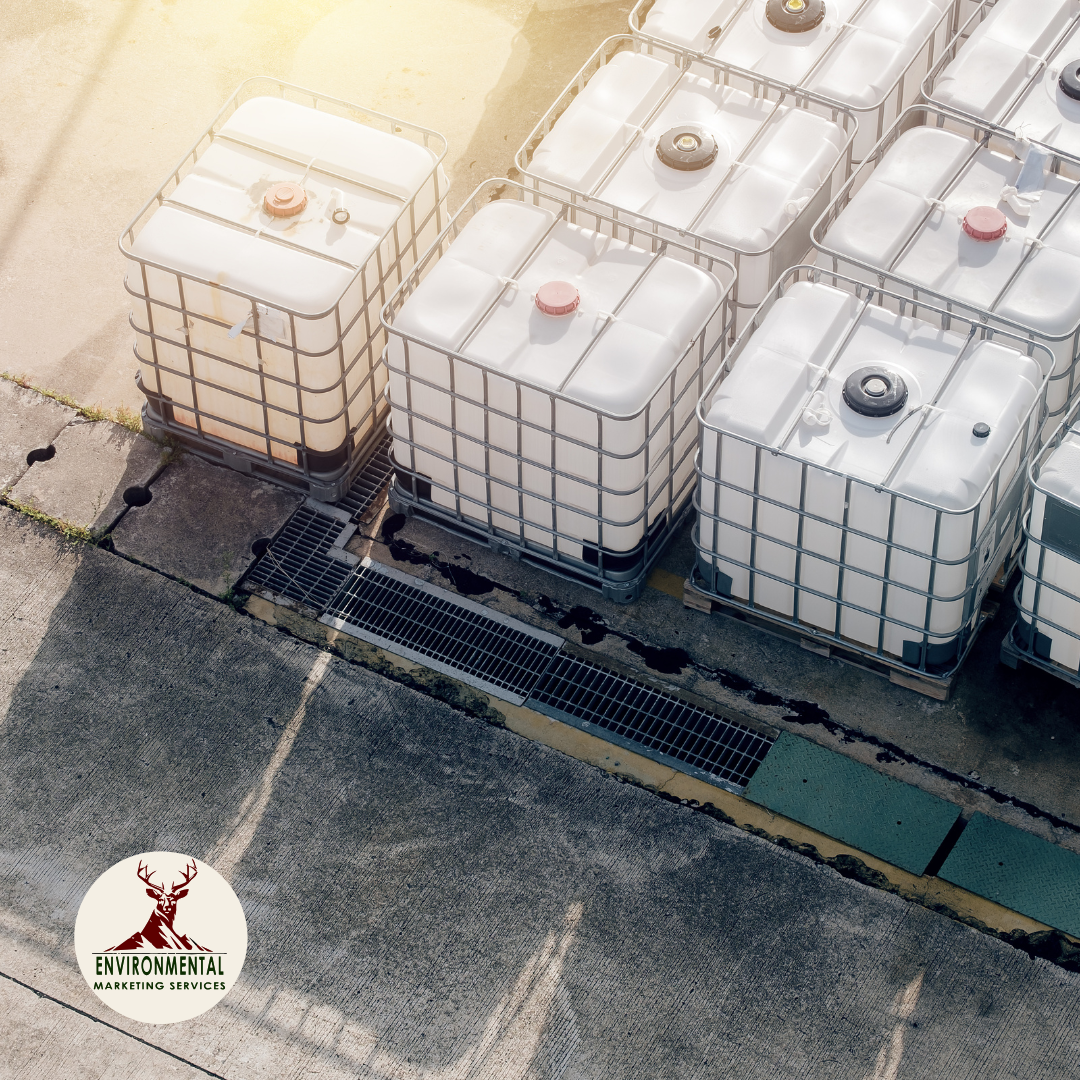
Hazardous Chemical Disposal Safety Tips and Guidelines
Safe hazardous chemical disposal is about much more than getting rid of unwanted materials. It is about protecting the people who work in and visit your facility, the surrounding community, and the environment that we all share. When hazardous waste is handled correctly from the moment it is generated to its final disposal, you lower risk, control costs, and keep operations running smoothly.
In this article, we will walk through practical safety tips and guidelines based on what we see every day supporting industrial, laboratory, healthcare, and commercial clients across the country. We will look at what counts as hazardous chemical waste, how to handle and store it safely, what is required for compliant transportation, and how the right hazardous waste services partner can support a long-term culture of chemical safety.
Protecting People and Property During Chemical Disposal
Hazardous chemicals can injure workers, damage property, and contaminate soil and water if they are not handled correctly. Vapors can affect indoor air quality, spills can lead to slip-and-fall incidents, and incompatible materials can react violently. Safe disposal practices protect your team, visitors, and neighbors, and they support your broader Environmental, Health, and Safety goals.
There are also real legal and financial risks. Improper storage or disposal can lead to regulatory violations, fines, and cleanups that are far more expensive than getting disposal right from the start. Accidents tied to mismanaged waste can cause downtime, workers’ compensation claims, and long-lasting reputational damage that affects how customers and communities view your business.
Professional hazardous waste services help manage these risks by handling waste under the proper rules and industry best practices. At Environmental Marketing Services in Seneca, South Carolina, we work with generators across 47 states to arrange transportation, disposal, and recycling for hazardous, non-hazardous, and universal waste, so businesses can focus on their core operations while staying in compliance.
Understanding What Counts as Hazardous Chemical Waste
Hazardous chemical waste is usually defined by its characteristics. In practical terms, waste is commonly considered hazardous if it is:
- Ignitable, such as many solvents, alcohols, and some paints
- Corrosive, such as strong acids and caustic cleaners
- Reactive, such as certain peroxides or unstable lab reagents
- Toxic, such as heavy metal solutions or some pesticides
These materials show up in many workplaces. Industrial facilities may generate spent solvents and process chemicals. Laboratories produce small but varied containers of unused reagents. Healthcare facilities deal with certain pharmaceutical and chemical wastes. Commercial operations can generate cleaning chemicals, maintenance supplies, and more.
Not every waste is hazardous, and that distinction matters. Non-hazardous waste can often be handled under less restrictive rules, while universal waste covers certain widely generated items such as batteries, fluorescent lamps, and some electronic components. Correct classification is essential so that each waste stream follows the right path to recycling, treatment, or disposal.
Different generators have different waste profiles and responsibilities. A manufacturing plant might have bulk drums of hazardous process waste, while a clinic may have small amounts of multiple chemicals. Academic or research labs often hold many different reagents with unique handling needs. Each type of operation has to match its management practices to its specific waste streams and applicable regulations.
Safe Handling and Storage Before Disposal
Most incidents happen before waste ever leaves the site. Good handling and storage practices reduce spills, exposure, and unplanned reactions. Clear labeling is one of the most important habits. Every container should have the product or waste name, primary hazards, and accumulation start date where applicable, written in a way your staff understands quickly.
Segregation is just as important as labeling. Incompatible chemicals should not be stored together. For example, acids should be kept separate from bases and cyanides, and oxidizers away from organic materials and solvents. Using dedicated storage areas, color-coded labels, or signage can help keep these lines clear.
Safe storage often includes:
- Containers made of materials compatible with the waste
- Tight-fitting lids or closures to prevent leaks and vapors
- Secondary containment, such as trays or berms, to catch spills
- Adequate ventilation in storage rooms
- Controlled access so only trained personnel enter hazardous areas
Your team is the first line of defense. Staff who handle chemicals and waste should be trained on hazards, personal protective equipment (PPE), and your internal procedures. PPE may include gloves, eye protection, face shields, lab coats, coveralls, or respirators, depending on the waste. Written instructions for routine handling and clear steps for what to do in an emergency help everyone respond quickly and consistently.
Compliant Packaging, Transport, and Documentation
Once waste is ready to leave your site, packaging and container selection must meet transportation rules. That often means choosing Department of Transportation compliant containers that can withstand normal conditions of transport. Containers must be compatible with the waste, properly closed, free of residue on the outside, and appropriately labeled for both shipping and environmental requirements.
Documentation is another key responsibility for generators. Manifests and shipping papers track waste from your facility to a permitted treatment, storage, or disposal facility. Keeping accurate records helps demonstrate compliance if you are inspected and gives you a clear picture of your waste streams and disposal patterns over time.
Reputable hazardous waste services providers coordinate logistics, including arranging transportation, routing, and scheduling pickups that match your operations. They also ensure that waste is taken only to permitted facilities that are authorized to handle those specific waste types. For multi-location businesses, a single provider can help standardize procedures and documentation across sites.
Choosing a Trusted Hazardous Waste Partner
Selecting the right provider is one of the most important decisions you can make about hazardous waste management. Key things to look for include:
- Proper licensing and regulatory authorization for the waste streams you generate
- Adequate insurance and a strong safety record
- Experience with your type of facility and waste profile
- Clear, straightforward communication and documentation
Working with a nationwide provider that can manage hazardous, non-hazardous, and universal waste can simplify your program. Environmental Marketing Services supports generators in 47 states, so multi-site organizations can have consistent practices and a single point of coordination for many of their waste streams.
Integrated hazardous waste services, where one provider coordinates transportation, disposal, and recycling options, can streamline compliance and help control total lifecycle costs. Instead of juggling multiple vendors, you have one team examining your waste profile, suggesting opportunities for recycling where appropriate, and helping you stay aligned with changing regulations.
Building a Long-Term Culture of Chemical Safety
Safe hazardous chemical disposal is not a one-time project; it is a continuous practice. Ongoing training keeps safety and compliance front of mind, especially as staff and processes change. Regular inspections and internal audits help identify issues like outdated labels, incompatible storage, overfilled containers, or expired materials before they turn into bigger problems.
Written plans are the backbone of that culture. Many facilities benefit from a chemical hygiene plan that spells out how chemicals and wastes are handled from delivery through disposal. Spill response plans clarify who does what, what equipment is available, and when outside support is needed. Strong relationships with qualified vendors, including hazardous waste services providers, give you expert guidance when questions arise or regulations shift.
By reviewing your current practices and strengthening handling, storage, and disposal procedures, you protect people, the environment, and your business. With thoughtful planning and the right partners, hazardous chemical disposal becomes a controlled, predictable part of your operations instead of a recurring source of worry.
Get Started With Your Project Today
If your facility needs reliable waste handling, our team at Environmental Marketing Services is ready to help you manage risk and stay compliant. Explore our specialized hazardous waste services to find solutions tailored to your operations, timelines, and regulatory requirements. We will work with you to schedule pickups, documentation, and disposal methods that fit your workflow. Have questions or a complex project to discuss, contact us so we can review your needs and provide a clear plan.