A Safer Lab Waste Plan Protects Your Facility
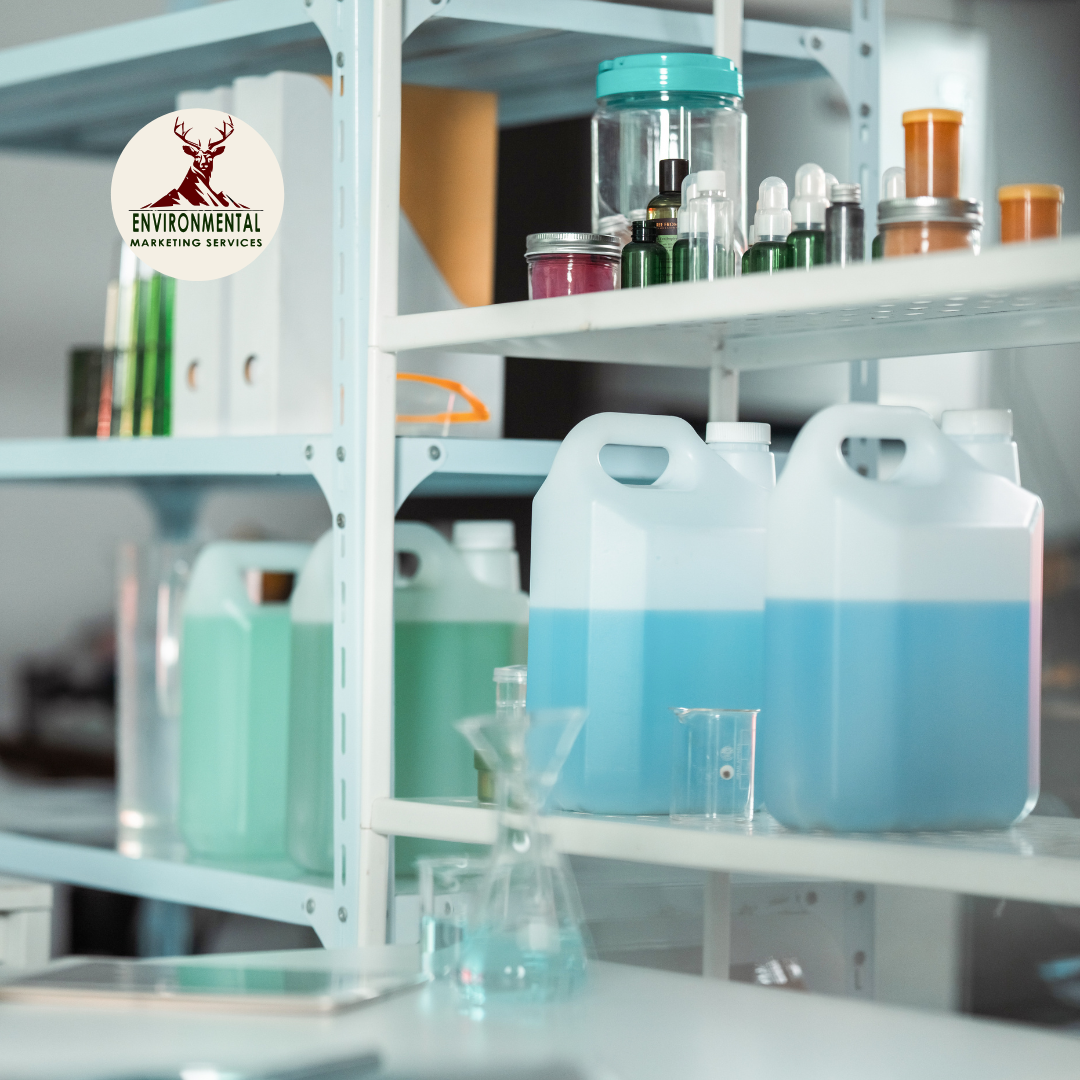
Lab pack waste management gives you a safer way to handle small containers of unwanted chemicals before they become a larger storage, safety, or compliance problem. We often see facilities hold onto expired products, damaged containers, surplus reagents, and materials with unclear labels because they are unsure what to do next.
A planned lab pack program helps you identify, sort, package, document, and send chemical waste for proper disposal. This approach can support safer work areas and reduce the chance that old materials remain forgotten in cabinets, closets, storage rooms, or labs.
Lab pack services can help organizations with varied chemical inventories, including:
- Laboratories, research centers, and testing facilities
- Schools, colleges, and universities
- Healthcare facilities and pharmaceutical operations
- Manufacturers, industrial sites, and maintenance departments
- Businesses with small quantities of hazardous, non-hazardous, or universal waste
The process generally involves identifying the waste, determining hazards, separating compatible materials, packaging containers, preparing shipping documents, and arranging final disposal. Late November can be a practical time to review inventory before holiday staffing changes, year-end cleanouts, and winter weather create scheduling challenges. When you plan early, we can help you avoid a rushed response later.
Lab Pack Waste Starts with Accurate Identification
Most lab pack waste consists of small containers of expired, unwanted, damaged, or surplus chemicals. These materials may include acids, bases, solvents, oxidizers, flammables, reactives, toxic materials, laboratory reagents, and certain universal wastes.
Before any packing begins, we recommend completing a careful inventory. A good inventory gives trained waste professionals the information needed to evaluate the materials and plan for safe handling. Record what you know about each container, even when the information seems minor.
Your inventory should include:
- Product name and manufacturer information, when available
- Container size, estimated quantity, and physical condition
- Hazard details shown on the label
- Available Safety Data Sheets, or SDS documents
- Notes about unknown, damaged, leaking, or unlabeled materials
Unknown chemicals should never be guessed at. A container without a readable label may need additional evaluation before it can be safely classified and packaged. Keeping those materials separate and closed until trained personnel can assess them helps limit unnecessary handling.
Accurate characterization helps determine whether a material is hazardous waste, non-hazardous waste, universal waste, or subject to another type of requirement. It also helps us prevent incompatible chemicals from being placed together during storage, packaging, or transportation.
Compatible Packaging Helps Prevent Dangerous Reactions
Lab pack waste is commonly managed by placing compatible small containers inside approved outer containers. Absorbent or cushioning material may be used to help protect individual containers during loading and transportation. The goal is not simply to fit items into a drum or box. Each package must be planned around the materials inside it.
Compatibility matters because chemicals can react even when they appear safely sealed. Flammables, corrosives, oxidizers, poisons, reactives, and other hazard classes may need to be separated. Placing incompatible waste together can create risks such as fire, pressure buildup, toxic vapors, or spills.
Container condition also affects the packing plan. Rusted cans, cracked bottles, bulging containers, and deteriorated packaging may require specialized overpacking and careful handling. We recommend leaving containers closed and avoiding unnecessary movement until qualified personnel are ready to manage them. Whenever possible, labels should remain readable so the materials can be accurately identified throughout the process.
Documentation Keeps Lab Pack Waste Moving Safely
Safe transportation depends on more than secure packaging. Shipping papers, waste profiles, hazardous waste manifests when required, container markings, labels, and placards may all be part of a compliant shipment. The exact requirements can vary based on the waste type, generator status, destination, and applicable federal, state, and local rules.
Our role is to help coordinate the details that support a safe waste shipment. That may include reviewing inventory information, selecting suitable packaging, confirming that a receiving facility can accept the waste, arranging transportation, and maintaining the records needed for the project.
Disposal is not finished just because materials have left your facility. We recommend retaining required records and confirming that waste is routed to an appropriate permitted treatment, storage, disposal, recycling, or recovery facility. Clear documentation helps you track what was removed and supports future inventory reviews.
Year-End Cleanouts Need Early Planning
Before holiday closures, reduced staffing, annual inventory checks, or winter weather affect normal operations, take time to identify chemicals that are expired, no longer needed, or taking up valuable storage space. A year-end review can reveal materials that have been overlooked during busier periods.
Waiting until an inspection, renovation, laboratory move, spill concern, or emergency forces action can make the process harder to manage. With advance notice, we can review inventories, prepare waste profiles, plan for special packaging needs, and coordinate transportation without the pressure of a last-minute cleanup.
A recurring chemical inventory process can also make future lab pack projects more predictable. Regular reviews help you spot aging chemicals sooner, reduce the number of unknown containers, improve purchasing decisions, and limit long-term accumulation.
Put a Safer Waste Plan Into Motion
Start with a current chemical inventory and flag any materials that may need evaluation, consolidation, or disposal before they create a storage concern. Hazardous, non-hazardous, and universal waste each require thoughtful planning, proper packaging, and compliant transportation.
A practical lab pack plan begins long before waste leaves the building. When inventory records are current, containers are kept secure, and trained professionals are involved early, you can keep workspaces safer and make disposal decisions with greater confidence.
Get Reliable Support for Your Lab Pack Needs
Environmental Marketing Services can help you coordinate lab pack waste services that fit your facility’s materials and timeline. Our team works with you to simplify the process and provide clear guidance at every stage. When you are ready to discuss your needs, contact us for assistance.