Chemistry lab waste disposal starts at the bench, not when a truck arrives for pickup. A clear waste plan protects your team, limits the chance of spills or chemical reactions, and supports compliance with the rules that apply to your facility.
We recommend treating waste management as part of everyday lab safety. From identifying old reagents to closing containers and preparing shipping records, each step helps keep small issues from turning into larger safety or compliance concerns.
Build a Safer, Compliant Lab Waste Program
Labs may generate far more than one kind of waste. A single facility can have hazardous chemical waste, non-hazardous materials, universal waste, contaminated supplies, sharps, expired reagents, and containers with unknown contents. Each stream may need its own handling, storage, transportation, and disposal path.
A written chemistry lab waste disposal process gives your team a consistent way to make decisions before materials pile up. It also helps prevent incompatible chemicals from being placed together, reduces exposure risks, and keeps waste from collecting in active work areas.
Your plan should account for the specific materials and operations in your lab. Requirements can differ based on generator status, facility type, state rules, and the properties of the waste itself. We encourage teams to make responsibilities clear so employees know who labels containers, performs inspections, requests pickups, and maintains records.
Identify Waste Before It Creates Compliance Risks
Accurate waste identification is the foundation of safe handling. Until you know what a material is, its hazards, and how it may react with other materials, it is difficult to choose the right disposal method.
Start with a current chemical inventory. Keeping product names, concentrations, quantities, locations, expiration dates, and Safety Data Sheets organized can help you spot surplus or aging chemicals early. Regular reviews are especially helpful before lab cleanouts, research changes, and seasonal closures.
Materials may be regulated because they are listed hazardous wastes or because they show characteristics such as ignitability, corrosivity, reactivity, or toxicity. We advise against assuming a chemical is non-hazardous simply because it is common in a laboratory or stored in a small container.
When reviewing inventory, give special attention to:
- Expired, damaged, or deteriorating reagents
- Containers with missing, faded, or unclear labels
- Materials left behind after a project or personnel change
- Chemicals stored outside their normal designated locations
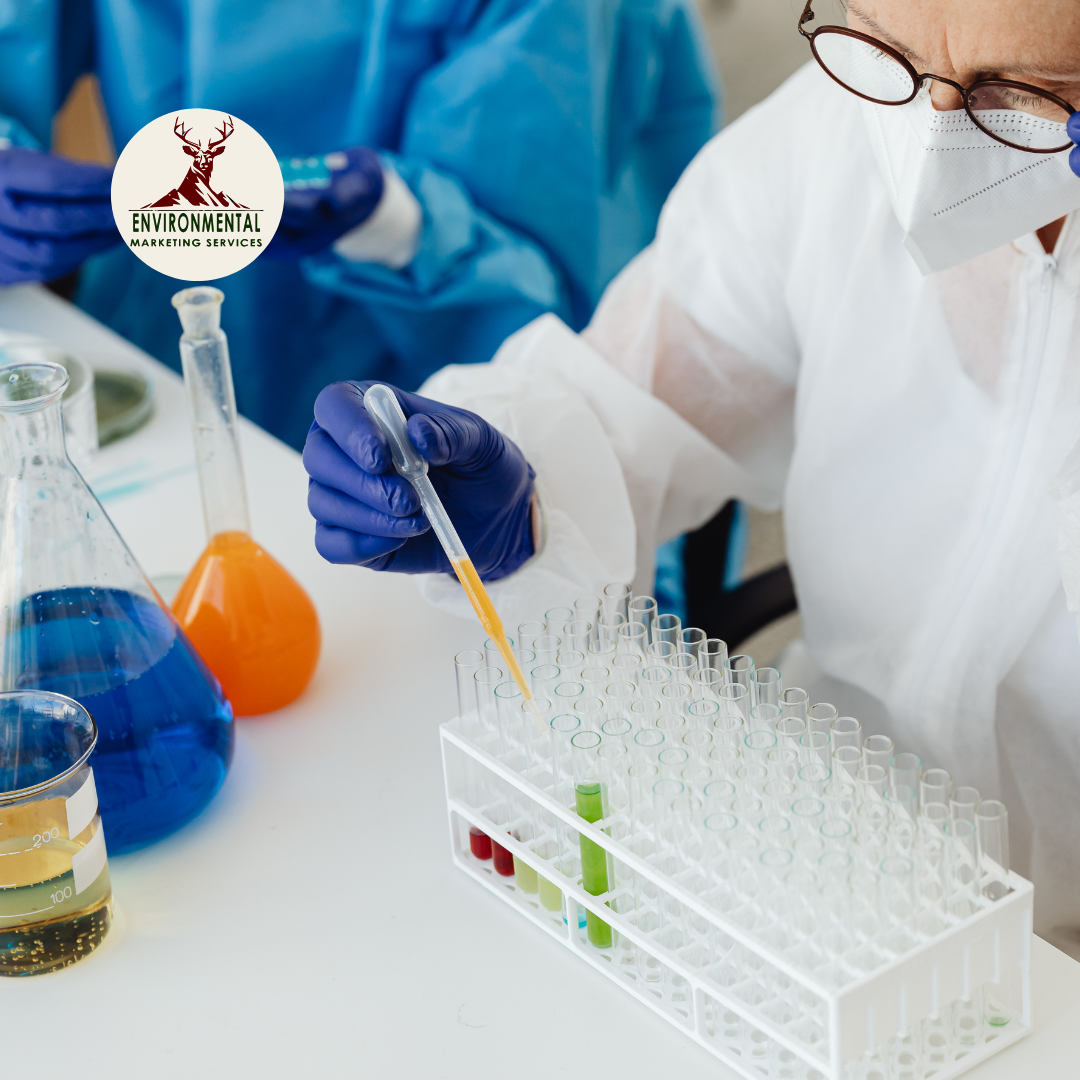
Unknown chemicals deserve prompt attention. Isolate containers with unclear contents from routine waste streams, and have qualified personnel evaluate them using process knowledge, container history, testing when appropriate, and professional waste characterization support. Guessing can create unsafe handling conditions and make disposal more difficult.
Package and Label Lab Waste for Safer Storage
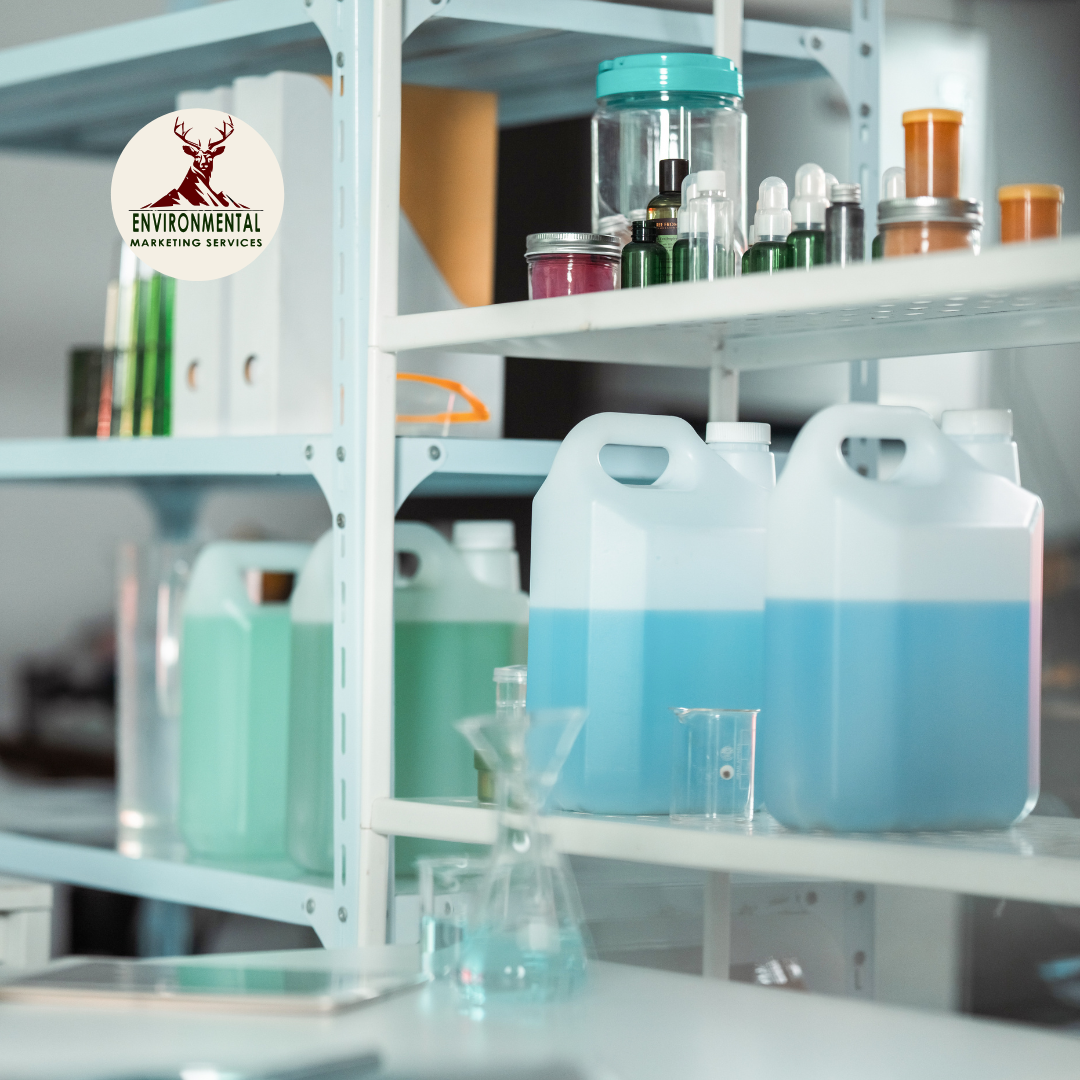
The right container does more than hold waste. It helps protect employees from leaks, vapors, spills, and accidental contact while the material remains on-site. We recommend using containers that are compatible with the contents, in good condition, and capable of being securely closed except when waste is actively added or removed.
Avoid food containers, damaged bottles, or containers that could break down when exposed to acids, solvents, oxidizers, or other chemicals. A container that worked for the original product may not always be suitable for the waste mixture now inside it.
Segregation matters just as much. Acids, bases, oxidizers, flammables, cyanides, sulfides, reactive metals, and other incompatible materials should be separated according to your facility’s chemical compatibility guidance. Secondary containment can add another layer of protection if a container leaks.
Labels should be complete, readable, and specific. Vague wording such as “solvent waste” or “lab chemicals” does not give handlers enough information to manage a container safely. Include the identity of the waste, relevant hazards, accumulation information when required, and any details your facility needs for proper tracking.
Manage Accumulation Areas and Pickup Schedules
A designated accumulation area gives your lab a safer, more organized place to manage waste before removal. Keep containers protected from heat sources and weather, maintain clear access around storage areas, and limit access to trained personnel. Spill response supplies and emergency communication procedures should also be available where waste is stored.
Routine inspections help catch problems while they are still manageable. We recommend documenting inspections and correcting issues as soon as they are found. Look for:
- Open, leaking, damaged, or overfilled containers
- Missing labels or labels that cannot be read
- Incompatible materials stored too close together
- Waste placed in the wrong accumulation location
Late autumn is also a practical time to look ahead. Holiday closures, reduced staffing, winter weather, end-of-year inventory work, and research transitions can all delay normal operations. Planning chemistry lab waste disposal before those disruptions helps keep containers from accumulating longer than intended.
Prepare Documentation for Transport and Disposal
Safe waste management continues after materials leave the laboratory. Depending on the waste type and its destination, your facility may need waste profiles, shipping papers, manifests, Land Disposal Restriction notifications, or other records. Accurate chemical descriptions, quantities, and hazard information help disposal partners determine an appropriate treatment, recycling, or disposal option.
Transportation may also involve Department of Transportation requirements for packaging, marking, labeling, placarding, and shipping documents. We recommend working with qualified transportation providers that understand the materials being moved and the records needed for each shipment.
At Environmental Marketing Services, we provide nationwide transportation and disposal support for hazardous, non-hazardous, universal, and laboratory waste. For facilities with multiple locations, coordinated planning can help keep waste streams organized from pickup through final disposal.
Keep required records according to applicable rules and your internal policies. Reviewing waste volumes, recurring materials, contamination concerns, and disposal patterns can also reveal opportunities to reduce waste at the source, adjust purchasing practices, or consider safer chemical substitutions.
Strengthen Your Lab Waste Plan Before the Next Pickup
Before your next waste shipment, take a focused look at inventory accuracy, container condition, labels, accumulation areas, and employee training. Small corrections, such as replacing a weak container or identifying an aging reagent, can prevent larger safety and compliance problems later.
A dependable chemistry lab waste disposal process comes from steady attention, not last-minute cleanup. When your team knows what is in each container, where it belongs, and how it will be managed, your lab is better prepared for routine work, inspections, closures, and upcoming pickups.
Strengthen Your Lab’s Compliance Plan
Environmental Marketing Services provides dependable chemistry lab waste disposal support tailored to your facility’s needs. We can help you manage hazardous materials responsibly while keeping documentation and pickup schedules organized. Contact us to discuss a disposal plan for your lab.