Turn Complex Lab Waste Into a Safer Disposal Plan
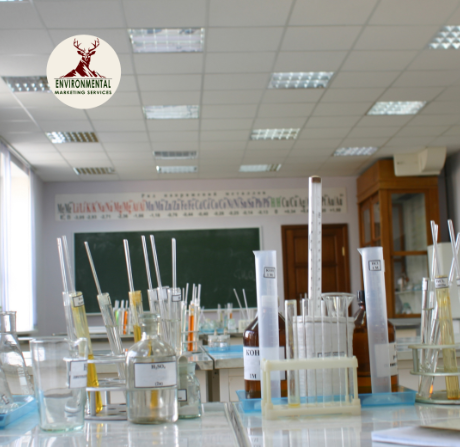
Lab waste becomes harder to manage when containers are old, damaged, mixed together, or missing clear labels. Research facilities, schools, healthcare settings, manufacturing plants, and quality-control labs can all end up with chemicals left behind after projects, staff changes, or routine purchasing.
When documentation is limited, each container can raise questions about its contents, condition, and disposal needs. Storing chemicals without a clear plan may create exposure, spill, fire, and compliance concerns, especially when incompatible materials are kept close together. Professional lab packing gives you a structured way to move waste out safely without expecting your staff to manage every container alone.
At Environmental Marketing Services, we provide nationwide transportation and disposal solutions for hazardous, non-hazardous, and universal waste. From our base in Seneca, South Carolina, we support organizations across 47 states with waste management needs that call for careful handling and reliable coordination.
Know When Lab Pack Services Are the Right Choice
Lab pack services are designed for small containers of chemical waste that need to be identified, classified, separated, packaged, transported, and sent to an appropriate disposal outlet. Rather than treating every bottle, jar, vial, or can as an isolated problem, a lab pack approach organizes compatible materials into properly managed packages.
We often see this service become useful when a facility is making a major change or finally addressing years of chemical buildup. Common reasons to consider lab pack services include:
- Laboratory closures, renovations, or relocations
- School science room and storage-area cleanouts
- Inventory reductions after projects are completed
- Facility mergers or department changes
- Long-term accumulation of expired or unused chemicals
Materials may include acids, bases, solvents, reagents, flammables, oxidizers, toxic materials, and certain universal waste items. The right handling method depends on the material’s classification, condition, quantity, and disposal requirements. A container that looks ordinary on a shelf may still need special attention if its label is faded, its cap is damaged, or its contents are unknown.
Build a Safer Lab Pack From Inventory to Pickup
A safer lab pack starts with knowing what is on site. Before materials are prepared for transportation, a waste assessment or inventory should identify container types, chemical names, approximate quantities, packaging condition, and possible hazards. This step helps reveal issues that may not be obvious during a quick walk through a storage room.
From there, qualified waste professionals can determine appropriate waste profiles and separate materials that should not be packaged together. Compatible items may be placed in approved outer containers with absorbents and protective packing materials. Proper labeling is also part of preparing waste for transportation.
A typical process may include:
- Reviewing laboratory shelves, cabinets, and storage areas
- Identifying known, unknown, expired, or damaged containers
- Segregating incompatible chemicals before packaging
- Preparing containers for transportation with proper labels and protection
- Coordinating pickup and delivery to treatment, recycling, or disposal outlets
Your employees should not consolidate unknown chemicals or attempt to repackage hazardous materials without the right training and procedures. Combining materials that appear similar can create a dangerous reaction if their contents are not fully understood.
Meet Compliance Duties Without Guesswork
Hazardous waste management can involve federal, state, and local requirements. Depending on your facility and the materials involved, responsibilities may include waste characterization, container labeling, storage practices, shipping papers, manifests, and record retention. Requirements can also change based on where waste is generated, transported, and delivered.
Accurate information matters throughout the process. Clear records can help you show how materials were identified, prepared, shipped, and managed when your organization faces an inspection, audit, or internal review. Missing details may slow down a cleanout and make it harder to determine the correct disposal path.
Working with an experienced waste management provider can help simplify transportation and disposal coordination, particularly when your organization operates in more than one state. Still, waste generators remain responsible for understanding their own obligations. We recommend sharing complete and accurate information about each material, including known chemical names, container conditions, prior use, and any available safety documentation.
Prepare for Fall Cleanouts and Year-End Inventories
Fall is a practical time to look closely at chemical storage areas before year-end deadlines, holiday closures, and annual inventory work create a rush. A planned review can help you spot materials that have been sitting unnoticed in cabinets, maintenance rooms, satellite accumulation areas, and unused laboratory spaces.
During a walkthrough, look for warning signs that waste may need prompt attention:
- Aging containers with corrosion, leaks, or damaged caps
- Faded, missing, or incomplete labels
- Excess reagents that are no longer needed
- Chemicals left after completed projects or staff transitions
- Materials stored in areas that are no longer actively used
Early planning can reduce last-minute pressure and give your team more time to gather records, identify concerns, and prepare the space for professional waste handling. It can also support a cleaner, more organized workplace as you move toward the new year.
Partner with Experts to Move Waste Forward
Safe laboratory waste disposal begins with early planning, careful identification, and proper handling. A well-organized inventory helps facilities understand what they have, recognize potential hazards, and prevent incompatible materials from remaining together in storage.
Regular reviews of laboratory shelves, cabinets, and storage areas can make waste planning more manageable throughout the year. By documenting materials, watching for damaged or unlabeled containers, and addressing accumulation before it becomes urgent, organizations can support safer workspaces and more consistent disposal decisions.
Get Reliable Support for Complex Lab Waste
Environmental Marketing Services helps organizations manage laboratory materials with care, documentation, and appropriate disposal planning. Our lab pack services can help streamline the handling of chemicals, containers, and other regulated waste. For guidance tailored to your facility’s needs, contact us to discuss your next waste disposal project.