Protecting Your Lab with Smart Lab Pack Planning
Safe, compliant laboratory waste does not happen by accident. It takes planning, clear procedures, and the right partner to handle the chemicals and materials that keep your lab running but also create risk if they are stored too long or managed the wrong way. That is exactly where a well-planned lab pack service becomes valuable.
A lab pack is a focused project to identify, sort, repackage, and ship out small containers of chemicals and other lab waste in one organized effort. Done correctly, it protects your people, keeps regulators satisfied, and helps control your waste budget. At Environmental Marketing Services, LLC, based in Seneca, South Carolina, we provide nationwide laboratory waste disposal services for industrial, research, healthcare, and educational facilities, and we see how much safer labs become after a good lab pack. In this guide, we will explain what lab packs are, when you need one, how the process works, and the best practices that help you stay compliant and reduce risk long after the project is finished.
What a Lab Pack Is and When Your Facility Needs One
A lab pack is the systematic consolidation, identification, packing, and disposal of many small containers of chemicals and lab materials in a single project. Instead of trying to manage hundreds of individual bottles, jars, vials, and cans one by one, a lab pack groups compatible items into larger outer containers that can be handled and shipped safely.
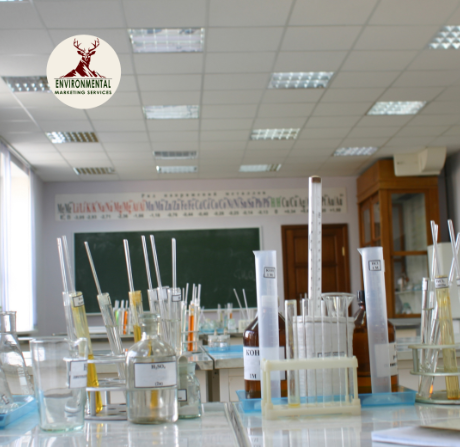
You might need a lab pack when you are cleaning out storage rooms, preparing for a lab relocation, dealing with expired chemicals or kits, or inheriting abandoned materials from a prior research group or tenant. Regulatory inspections can also uncover unlabeled or unknown containers that need special attention. When those issues build up, a lab pack is often the most practical and compliant way to get back in control.
The facilities that benefit most from lab packs include universities and community colleges, K to 12 school science labs, R&D labs, hospitals and clinics, manufacturers with quality control labs, and independent testing labs. These operations tend to accumulate small, varied containers with a wide range of hazards. That is very different from routine production waste like drums of a single process chemical.
Routine waste pickups usually involve known, recurring waste streams in standard containers. Lab packs, by contrast, deal with mixed and sometimes unknown chemicals, odd container sizes, and legacy materials. This is why specialized laboratory waste disposal services are so important. Experienced technicians know how to sort and package these materials safely and how to document them correctly for transport and final management.
Step‑by‑Step Lab Pack Process From Assessment to Disposal
A well-run lab pack starts with a careful site assessment. We review existing inventories if they are available, walk through your labs and storage areas, and identify the waste streams that will be included in the project. We pay close attention to volumes, container conditions, and any unknowns or unstable materials. That assessment gives us the information we need to plan containers, labels, and safety controls.
Next comes segregation and categorization. Chemicals are grouped by compatibility, such as acids, bases, flammables, oxidizers, or toxics, so that they can be packed safely together. Hazardous and nonhazardous wastes are separated, and universal wastes like lamps and batteries are managed in their own streams. Items that are reactive or especially toxic receive special handling and packaging based on their properties and regulations.
On service day, technicians arrive with appropriate packing materials and labels. They inspect each container for condition, legibility, and compatibility, then repackage them into larger outer containers like fiber or plastic drums with absorbent material as needed. Proper labeling is applied as the work progresses, and shipping papers and manifests are prepared so that every item is accounted for and assigned to the right waste category.
Once the lab pack is complete, the containers are loaded for transportation under the correct Department of Transportation requirements. Depending on the waste type, materials may go to treatment, fuel blending, recycling, or disposal. Throughout this process, our goal is to follow all applicable rules while also looking for opportunities to recycle where appropriate. Final documentation, including manifests and certificates from disposal facilities, provides a clear record for your files.
Compliance Essentials Every Lab Manager Should Understand
Several layers of regulation influence how you plan a lab pack. Environmental rules address hazardous waste identification, storage limits, and disposal standards. Transportation regulations control how wastes are packaged, labeled, and described during shipping. Worker protection rules govern personal protective equipment, training, and safe work practices. On top of that, state and local requirements can add extra conditions or shorter timelines.
Your generator category affects how long you can store hazardous waste, how much you can accumulate, and what kind of documentation you need. When planning a lab pack, it is important to understand whether your facility is generating small or larger quantities and how the project will affect those thresholds.
Key paperwork includes waste profiles that describe each waste stream, manifests for offsite shipments, land disposal restriction forms for hazardous waste, and safety data sheets for chemicals when available. Working with experienced laboratory waste disposal services helps keep this paperwork complete and organized so you can show regulators exactly what you generated and how it was managed.
Common compliance problems we see in labs include unlabeled containers, keeping unknowns for too long, and mixing incompatible wastes. A lab pack is a chance to correct those issues, remove problem materials, and reset your labeling and segregation practices so you are in a stronger position for future inspections.
Best Practices to Prepare for a Successful Lab Pack Visit
Good preparation saves time and reduces disruption. It helps to appoint a project lead who can coordinate with the vendor, answer questions, and communicate with your internal stakeholders. Gathering available safety data sheets, existing inventories, and any prior waste records will give the field team a head start. Creating a simple list of known problem areas or urgent hazards, such as leaking bottles or unknown containers, is also helpful.
Before the vendor arrives, your staff can take some basic, low risk steps such as:
- Tidying storage areas so containers are visible and accessible
- Grouping obvious incompatibles apart, like acids away from bases
- Isolating damaged or leaking containers in secondary containment
- Marking restricted areas that require special entry procedures
During the project, safety for lab staff and visitors is essential. Make sure appropriate personal protective equipment is available and that access to active work areas is controlled. Coordination with building safety or facility management teams can help with ventilation, spill response readiness, and emergency procedures.
To minimize disruption to lab operations, many facilities schedule lab packs during slower research periods or semester breaks. Planning staging areas near storage rooms, coordinating with security and shipping departments, and communicating timelines to lab users helps reduce surprises and keeps everyone productive while the work is underway.
Choosing the Right Partner and Turning Lab Packs Into Long‑Term Safety
Selecting a lab pack provider is about more than just price. You want a company with proper licensing and insurance, trained chemists and technicians, and experience with your type of facility. A strong safety record and clear communication style are also important, since the team will be working in your active labs and storage areas.
There is value in choosing one vendor that can manage hazardous, nonhazardous, and universal wastes across all your sites. At Environmental Marketing Services, we support industrial, laboratory, healthcare, and other commercial generators nationwide from our base in South Carolina. Handling everything through a single provider simplifies scheduling, documentation, and cost tracking. Good providers also help optimize costs by maximizing treatment and recycling options where appropriate, right-sizing packaging, and helping you avoid violations that could result from mismanaged waste.
A lab pack should not be a one-time event that you forget about afterward. It is an ideal starting point for better day-to-day waste management. After a clean-out, many labs strengthen their inventory control, label every container clearly, and adopt routine checks so that old and unwanted materials do not accumulate again.
Some smart follow-up steps include:
- Implementing or updating a chemical inventory system
- Training staff on labeling, segregation, and satellite accumulation rules
- Scheduling periodic mini clean-outs before storage areas get crowded
- Reviewing waste streams with your provider to identify recycling options
By treating today’s lab pack as the beginning of a longer-term program, your lab can stay safer, more organized, and better prepared for inspections. That approach supports your research or production work, protects your team, and keeps your laboratory waste disposal services aligned with both regulatory expectations and your budget.
Get Started With Your Project Today
If your facility is ready for safer, compliant handling of lab byproducts, our team at Environmental Marketing Services is here to help. Explore our specialized laboratory waste disposal services to build a solution tailored to your workflows and regulatory needs. We will review your current practices, recommend improvements, and set up a reliable schedule that fits your operations. To discuss your project in detail or request a quote, simply contact us.