When it comes to managing waste, particularly hazardous waste, lab pack disposal plays a critical role. This process is necessary for safely handling and disposing of different chemicals and materials often found in labs, schools, and similar facilities. Having a clear understanding of lab pack waste disposal helps ensure that these substances are managed correctly, protecting both people and the environment.
Lab pack waste disposal involves gathering small amounts of chemical waste from a variety of containers, packaging them together, and sending them to a facility that can neutralize and dispose of them safely. This process requires thoughtful planning and adherence to regulatory standards to avoid potential hazards. Below is a closer look at what lab pack waste includes and why its proper disposal matters.
What Is Lab Pack Waste?
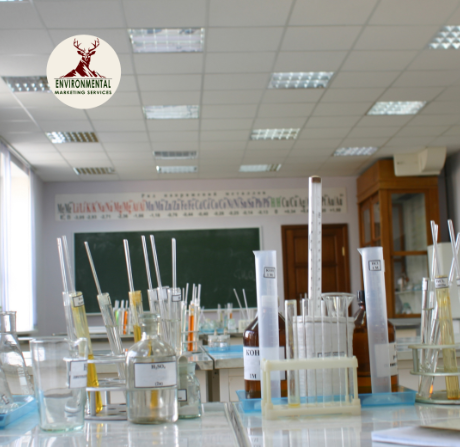
Lab pack waste is made up of small quantities of chemicals that are packaged together in a larger outer container, usually a metal drum, for proper disposal. This method is commonly used in laboratories, research facilities, schools, and other institutions that handle different types of chemicals in limited amounts. The main goal of a lab pack is to consolidate compatible materials in one safe container to prevent any dangerous reactions during storage or transportation.
Here are some of the materials commonly found in lab packs:
– Chemicals such as acids, bases, oxidizers, and solvents
– Biological substances, which could include contaminated items that must be handled with particular care
– Fragments of broken glassware that may carry chemical residues
– Disposal bags filled with chemical-laden or unstable waste materials
Each lab pack must be labeled accurately with details about its contents, including chemical names, properties, and handling instructions. This ensures workers are aware of the materials they’re handling and can use the right precautions.
Lab pack waste disposal is more than just throwing items away. It requires established procedures that are critical for safety, environmental protection, and compliance with waste management laws.
The Importance of Proper Lab Pack Waste Disposal
Effective management of lab pack waste serves two key purposes: protecting the environment and ensuring human health and safety. Failing to dispose of these materials responsibly can lead to long-term consequences.
On the environmental side, improper disposal can result in harmful chemicals leaching into soil and water systems. Contaminants can harm natural habitats, affect wildlife, and spread pollutants across a wide area. This type of damage is often difficult and expensive to reverse, making preventative measures even more important through proper disposal practices.
There is also a significant threat to human health when lab pack waste is mishandled. People who are exposed to hazardous chemicals without the right protection may face serious health risks. Inhalation, skin contact, or accidental ingestion of these substances can result in immediate or long-term health conditions.
Disposing of lab pack waste properly helps minimize these risks and ensures a safer working environment. By sticking to proven methods and protocols, facilities can significantly reduce the chances of accidents or contamination.
Steps in the Lab Pack Waste Disposal Process
Safe disposal of lab pack waste requires a systematic process that follows both scientific and regulatory standards. Each step contributes to a safer, cleaner handling of hazardous materials. Here are the most important parts of the process
1. Identification and Classification of Chemicals
The process begins with a detailed review and identification of every chemical to be disposed of. Each substance must be clearly labeled with its name, safety information, physical state, and any special instructions. This phase is critical because it lays the groundwork for how the waste will be grouped and managed.
2. Segregation and Packaging of Waste
Chemicals are then sorted based on their chemical and physical compatibility. Substances that could potentially react with each other are packaged separately to prevent any incidents during transport or storage. Once grouped, chemicals are placed in sturdy and appropriately labeled containers that meet legal standards for secure transport of hazardous waste.
3. Transportation to Disposal Facilities
Once everything is properly packaged, the waste is moved to an authorized treatment, storage, and disposal facility. This involves working with trained professionals and using secure transportation methods that meet all required safety and documentation protocols. The paperwork involved is also essential and includes manifests, labels, and certifications to track the entire journey of the waste.
When these steps are followed, the risks associated with hazardous chemical handling are significantly reduced, and compliance with environmental laws is maintained.
Choosing the Right Lab Pack Waste Disposal Service
Choosing the correct disposal partner is one of the most important parts of maintaining a responsible waste management program. Here are a few things to keep in mind when making that decision:
– Experience and Expertise
Select a waste disposal provider with extensive experience in managing hazardous waste. Their knowledge will help ensure that all waste is treated correctly, and that your facility remains compliant with laws and best practices.
– Compliance with Regulations
A qualified service should be well-versed in local, state, and federal regulations related to hazardous materials. Non-compliance could lead to fines, shutdowns, or environmental damage. Choose someone who understands the laws and keeps up with changes in standards and expectations.
– Comprehensive Service Options
Working with a full-service provider simplifies the process. Look for a company that offers everything from chemical identification to packaging, transport, documentation, and safe disposal. This can make the entire operation more efficient and easier to manage.
– Strong Safety Record
The company’s safety history is also a key point of evaluation. Ask about protocols, past incidents, and overall safety ratings to get a sense of how committed they are to protecting both people and the environment.
By choosing a reliable lab pack disposal service, organizations can reduce liability and protect their people, property, and community.
Ensuring Compliance with Regulations
Compliance with hazardous waste disposal regulations is necessary for legal and safety reasons. Here’s how your facility can stay on track.
– Overview of Relevant Regulations
Regulatory bodies such as the Environmental Protection Agency set strict rules around hazardous waste, including how materials should be labeled, stored, transported, and disposed of. These rules also extend to documentation, staff training, and emergency procedures. Understanding these rules is important for any organization working with lab pack waste.
– How to Stay Compliant
To maintain compliance, companies should ensure that all employees involved in waste management are properly trained. Regular audits and inspections should be conducted, and documentation must be kept up-to-date. Proper labeling, custody chains, and storage techniques must be part of daily operating procedures. In addition, keeping up with changes in regulation helps maintain long-term compliance.
Failing to adhere to standards can result in penalties, reputational damage, or environmental accidents. Taking a consistent and preventative approach goes a long way in supporting environmental responsibility and legal compliance.
Safeguarding the Environment with Proper Lab Pack Disposal
Proper lab pack disposal plays a key role in ensuring healthy ecosystems and safe working conditions. Each component of the process—from identifying chemicals and packing them correctly to selecting a qualified disposal service and following regulatory guidelines—contributes to a safer outcome for all.
Laboratories, schools, and commercial facilities that handle hazardous materials carry the responsibility of managing those substances in a way that minimizes harm. By taking this responsibility seriously and committing to tried-and-true procedures, organizations uphold safety standards and support a cleaner, healthier environment.
A dependable disposal process is more than just meeting legal requirements. It reflects a commitment to public safety and sustainability. Making informed decisions at every step of the lab pack waste process supports a cleaner future for all.
To ensure a seamless and compliant process for handling hazardous waste, consider exploring our services for hazardous waste at Environmental Marketing Services. Our team manages each phase with precision, from chemical identification to secure disposal, all while meeting rigorous safety and environmental standards.