Turn Lab Cleanouts Into a Safer, Simpler Process
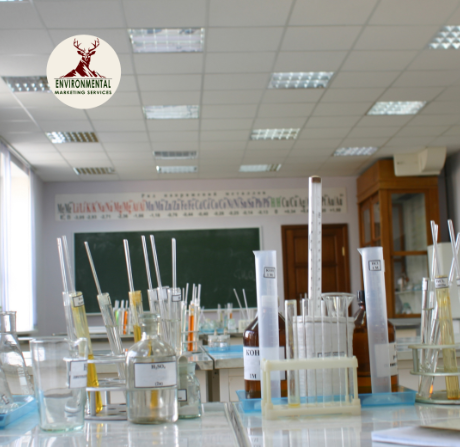
Lab cleanouts need more thought than routine trash removal. Small containers can build up over time, including expired chemicals, samples, reagents, solvents, aerosols, batteries, lamps, mercury-containing devices, and other materials that may fall into hazardous, nonhazardous, or universal waste categories.
A lab pack program helps you gather properly identified, compatible small containers for transportation and disposal. With a plan in place, we can help you reduce employee exposure, keep storage areas safer, support stronger compliance practices, and make the lab easier to manage. The process starts with preparation, safe packing, documentation, and transportation planning.
September is often a smart time to review stored materials. As summer schedules end and fall projects begin, a cleanout can keep waste from piling up before year-end deadlines, holiday closures, or changes in staffing.
Identify What Belongs in a Lab Pack
Lab packs are commonly used for small-quantity containers that are outdated, partly used, damaged, or no longer needed. We often see laboratories holding materials that were purchased for one project, then left behind after the work was complete.
Items that may need evaluation for a lab pack include:
- Acids, bases, solvents, and laboratory reagents
- Flammable liquids, oxidizers, corrosives, and toxic materials
- Paints, pesticides, aerosols, and chemical samples
- Batteries, lamps, and mercury-containing devices
- Unknown, unlabeled, or aging containers that need professional review
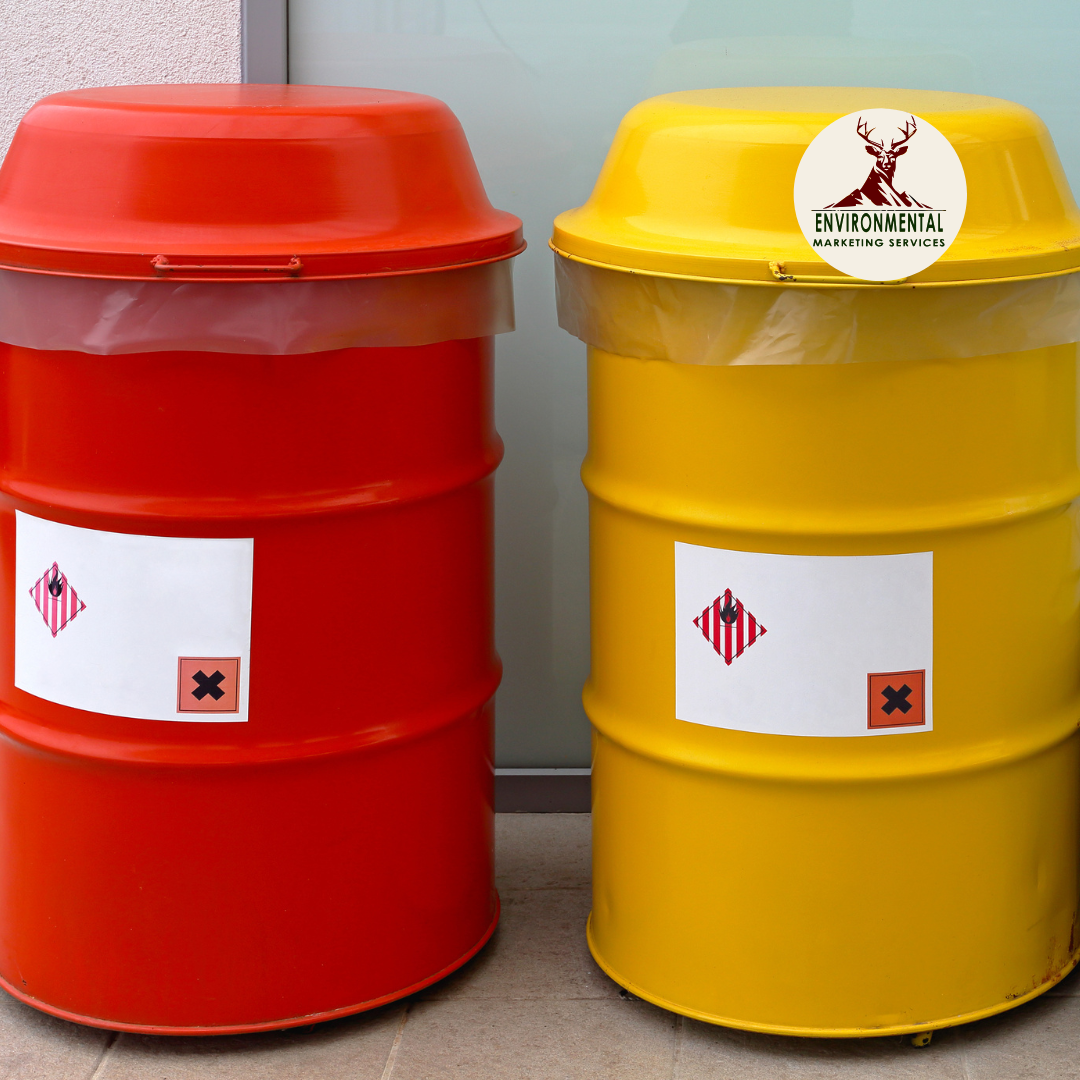
Not every item belongs in the same drum or outer container. Before materials are packed, we need to consider the hazard class, chemical compatibility, physical condition, and disposal requirements for each item. Acids and bases, for example, may need to stay separate. Oxidizers and flammables may also require different packaging and handling.
Effective lab pack waste disposal begins with knowing what is actually on site. We recommend separating regulated waste from reusable products, recyclable materials, universal waste, and ordinary nonhazardous waste whenever possible. That extra sorting step can prevent unnecessary disposal, improve safety, and give you a clearer view of what your lab is storing.
Build a Complete Inventory Before Packing
A detailed inventory gives everyone a safer starting point. Before a collection is arranged, we recommend recording the product name, known chemical contents, container size, estimated quantity, hazard information, container condition, and storage location for every item.
Readable labels and Safety Data Sheets can help fill in the details. Even a simple inventory can make a major difference because it allows waste professionals to prepare for the materials before arriving at your facility. It also helps identify containers that may need special handling because they are damaged, old, leaking, or difficult to identify.
Unknown containers deserve extra care. Your team should never guess what a material is, pour it into another container, mix it with another chemical, or dispose of it in a drain or regular trash. Instead, document everything you do know, such as the label information, where the container was found, its appearance, and its condition. We can then help guide the characterization process and determine the next steps for safe handling.
A thorough inventory supports safer lab pack waste disposal in several ways:
- It helps determine compatible packaging and transportation needs
- It supports accurate labels, manifests, and other required paperwork
- It can reduce delays when collection day arrives
- It highlights recurring waste streams that may need better controls
- It gives your team a more organized view of stored materials
Over time, inventory records can also reveal opportunities to improve purchasing, storage, and chemical tracking. When you know what tends to become waste, you can make better decisions before those materials take up valuable cabinet or storage space.
Protect People and Materials During Packing and Transport
Safe packing begins before anything leaves the laboratory. Until trained personnel review the materials, containers should remain closed, upright, secure, and in their designated storage areas. Clear access around storage cabinets and waste areas also helps your team respond if a container needs attention.
Leaking, bulging, corroded, cracked, or damaged containers should be treated with care. We recommend isolating those items according to your site safety procedures and making sure they are clearly identified for the waste management team. Moving a compromised container without the right preparation can create avoidable risks.
Compatible packaging, absorbents, cushioning, and approved overpacks all play a role in reducing spill risks during transportation. Waste needs to be packed based on its hazard characteristics and applicable transportation requirements. Employees should not combine smaller containers into larger ones unless they have the training, written procedures, and approvals to do that safely.
For lab pack waste disposal, transportation depends on accurate classification, proper packaging, correct labels, manifests, and coordination with qualified waste professionals. We help businesses prepare hazardous, nonhazardous, and universal waste for shipment while considering the federal, state, and local requirements that may apply.
Keep Your Waste Program Ready for Fall Cleanouts
Fall is a practical time to inspect laboratory storage areas before the end of the year. Schools, research facilities, manufacturers, healthcare organizations, industrial sites, and other workplaces can use a seasonal review to find expired chemicals, unused products, damaged containers, and materials left after completed work.
During a cleanout, we suggest looking beyond the chemical shelf. Check whether emergency access routes remain clear, storage cabinets are orderly, satellite accumulation areas are managed properly, and waste containers are clearly labeled. A well-kept storage area is easier for employees to work in and easier to review when waste needs to be collected.
Rather than waiting until space is limited or an inspection is approaching, build regular waste reviews into your operations. Quarterly inventory checks, annual lab cleanouts, employee training, and advance collection planning can help prevent rushed decisions. They also give you more time to prepare for complex materials or larger waste volumes.
A successful lab pack program comes down to early planning, accurate inventories, compatible packaging, and careful documentation. Keeping those habits in place helps protect employees, maintain cleaner workspaces, and support responsible waste handling throughout the year.
Get Reliable Support for Your Lab Pack Needs
Environmental Marketing Services helps organizations manage hazardous materials with clear processes and dependable service. Learn how our lab pack waste disposal solutions can help you handle waste streams efficiently and responsibly. For guidance tailored to your facility, contact us to discuss your needs.