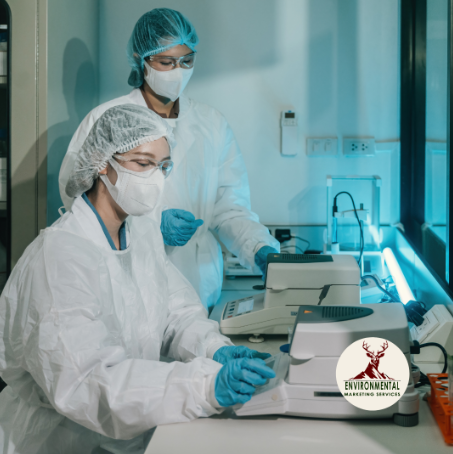
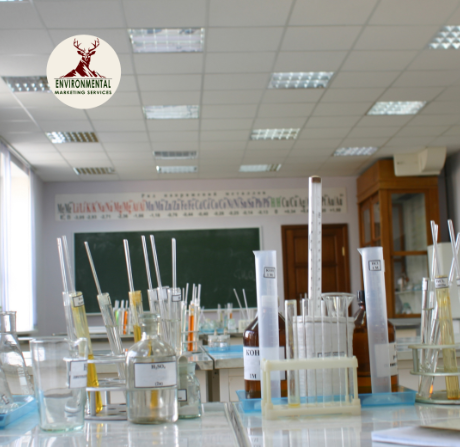
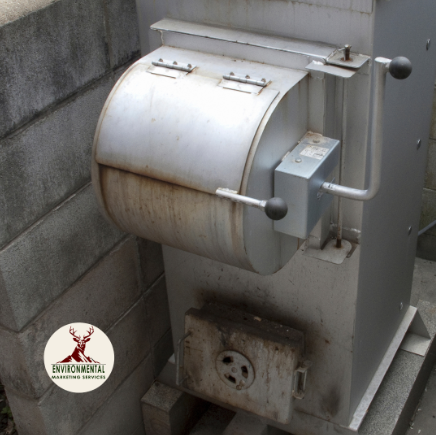
When we think about laboratories in Alabama, a lot of different images might come to mind: beakers bubbling with chemicals, scientists wearing lab coats, and rows of test tubes lined up for experiments. However, one aspect that often gets overlooked is the waste produced by these labs. Proper lab waste disposal is not just a side task but an integral part of lab operations. If managed poorly, it can pose significant risks to both health and the environment. Lab waste ranges from chemicals to biological materials, each requiring specific handling and disposal procedures.
Working with the right partners can make all the difference. Ensuring that waste is handled correctly can save time, reduce risks, and keep lab operations running smoothly. Whether you’re involved in a small laboratory or a large research facility, understanding how to manage waste effectively is important. Engaging with professionals dedicated to these tasks can provide peace of mind and allow scientists and researchers to focus on their core work like innovation and discovery.
Types of Lab Waste in Alabama
Handling lab waste starts with knowing the different kinds produced in a normal lab setting. Being clear about what type of waste you’re dealing with can make disposal safer and more efficient. Here’s a breakdown of the most common types:
1. Chemical Waste: This is one of the more frequent types found in labs. It includes acids, bases, solvents, and other reactive substances. These need to be segregated and stored properly to avoid leaks, reactions, or dangerous fumes.
2. Biological Waste: This category includes things like tissue samples, cultures, or other materials that have been in contact with biological agents. If not managed properly, they could pose infection or contamination risks.
3. Radioactive Waste: Some labs use or experiment with low levels of radioactive materials. These require very specific handling and disposal protocols due to their long-lasting risks.
4. Electronic Waste: With advancements in lab equipment, old or broken electronic devices accumulate over time. Disposing of items like computers, microscopes, and monitors the right way limits harm to the environment.
Recognizing what falls into each category sets a clear path for disposal. It’s a helpful first step toward safer lab environments and smooth waste management.
The Impact of Improper Disposal
Improper disposal of lab waste causes serious problems that reach far beyond the lab itself. First, there are environmental consequences. When chemicals seep into the soil or flow into nearby rivers and lakes, they can do real damage. Wildlife might get exposed to harmful substances, and water supplies can become polluted with toxins.
Next is the impact on human health. Improperly stored or managed waste can release fumes or come into contact with people working in the lab or those living nearby. For example, if a container leaks or a sharp object isn’t secured, someone might get hurt or sick.
Then there are legal consequences to think about. Alabama has strict waste disposal regulations, and violating them can lead to serious fines or even shut down research operations. Didn’t follow the rules? That could mean heavy penalties and damage to your lab’s reputation. It’s a lot easier to stay within legal limits than deal with cleanup or legal troubles later.
All of these concerns show how much is at stake when lab waste isn’t handled properly. Safe disposal is more than a best practice. It’s a responsibility that protects people, communities, and the environment.
Steps for Proper Lab Waste Disposal
If you want your lab to run safely and avoid problems tied to waste disposal, there are a few practical steps to keep in mind:
1. Sorting and Labeling Waste Correctly: Divide your waste into the right categories such as biological, chemical, radioactive, or electronic. Once sorted, each waste type should have clear labels that tell workers what it is and how to manage it. This can prevent dangerous mistakes later on.
2. Safe Storage Methods: Not all waste fits in one-size-fits-all containers. Choose containers made for the type of waste you’re storing. Keep hazardous waste away from busy work areas to lower the chances of spills or exposure.
3. Developing a Transport Plan: Think ahead about how the waste will be moved and when. Designate clear routes and schedules to make sure materials get to the disposal site securely. If you’re unsure about this step, professional waste services can help you figure it out.
4. Final Disposal Best Practices: Make sure your waste ends up at approved treatment or disposal facilities. Some kinds of waste might need extra treatment before final disposal. Always follow local and federal laws on waste handling to avoid legal trouble or damage to your reputation.
Following these steps makes your lab safer and sets a good example in your field. It helps your team stay confident in day-to-day work, knowing there’s a system that supports safe waste handling.
Reasons to Use Hazardous Waste Services in Alabama
Hazardous waste management can feel like a big job, especially when you’re focused on scientific research or teaching. That’s where professional services come in handy. Here are a few reasons why working with hazardous waste services in Alabama makes a smart choice:
– Expertise and Safety Assurance: Trained professionals know how to deal with every type of waste properly. They understand the risks and have the tools and knowledge to keep your lab safe.
– Compliance with Regulations: Alabama has clear laws about waste disposal. Waste management providers stay up to date with these rules and make sure everything they do (and help you do) meets the latest guidelines.
– Time and Cost-Efficiency: Trying to manage hazardous waste alone takes a lot of time and can cost more than you expect. Outsourcing saves your team time and often keeps budgets under control by avoiding fines or cleanup costs.
– Focus on Sustainable Practices: Many waste service providers in Alabama use eco-friendly options that protect resources. Instead of just dumping waste, they often recycle or treat it in ways that reduce how much ends up in landfills or impacts local ecosystems.
If safety, savings, and long-term solutions matter to your lab or company, turning to a professional waste partner is the smart move.
How Safe Disposal Sets the Standard for Your Alabama Lab
Proper lab waste disposal is more than a checklist item. It sets the tone for how your lab runs and how it’s viewed by the community. Whether you’re working in education, private industry, or research, protecting people and places around you matters.
When you make a commitment to safe disposal, you’re doing more than following rules. You’re investing in the future of your lab and the health of your team. Solid waste practices lead to smoother day-to-day operations, cleaner workspaces, and long-term cost savings.
This is where Environmental Marketing Services can make a lasting difference. If you’re ready to reduce risk, stay compliant, and protect your team and the environment, working with experts can help you get there. Let us help you stay one step ahead so you can focus more on innovation and less on worry.
Ready to make your lab operations safer and more efficient? Learn how our hazardous waste services can support proper disposal and help protect your team, community, and the environment. Environmental Marketing Services is here to help you keep things running smoothly and responsibly—reach out today to get started.