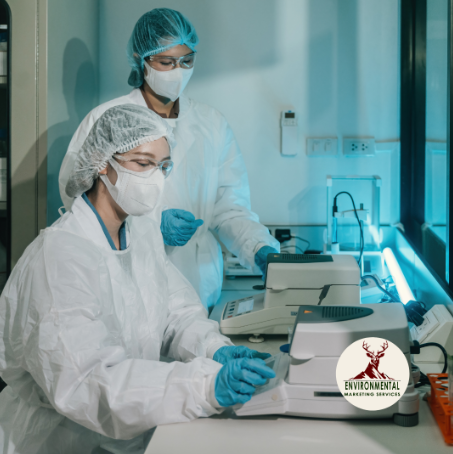
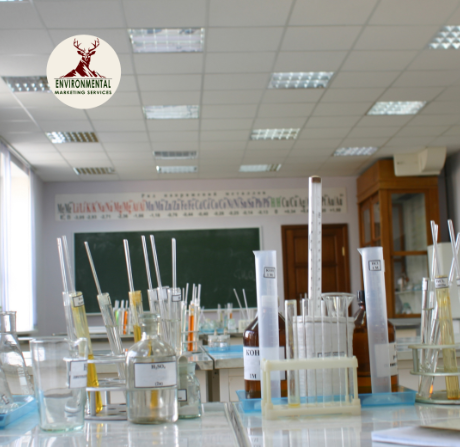
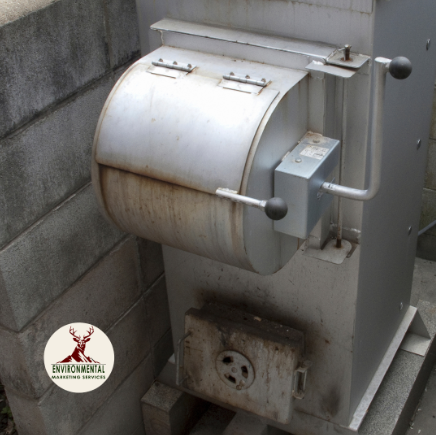
Handling lab waste properly is a big responsibility. It’s about keeping both people and the environment safe. In Tennessee, lab waste disposal is a critical task that needs careful attention. Whether you’re working in a large research facility or a small clinic, the importance of this task can’t be overstated. Lab waste can include dangerous substances that, if not managed correctly, could lead to serious harm or contamination.
In Tennessee, disposing of lab waste isn’t just about throwing things away. There are regulations and guidelines that ensure waste is managed safely and in an environmentally friendly way. Everyone involved in the disposal process must understand what needs to be done to stay compliant with these rules.
Why Proper Lab Waste Disposal Matters
The importance of lab waste disposal goes beyond cleaning up. It directly affects the safety of individuals who work in and around labs. Chemicals spilled in a lab could result in injuries, and improperly handled waste might expose the environment to harmful substances. Caring for our surroundings means being diligent about what we throw out and how we handle it.
Understanding the rules set by authorities in Tennessee is part of the job. These rules aren’t just paperwork. They’re there to protect us all from potential hazards. If everyone follows the guidelines, risks can be minimized for both people and the ecosystem.
Types of Lab Waste
Lab waste comes in different shapes and forms. Knowing the differences helps in managing it effectively:
– Chemical Waste: Includes things like old solvents or reactive materials. They need special handling to prevent reactions or fires.
– Biological Waste: Comes from items like used petri dishes or any material exposed to biological agents. Managing this waste prevents the spread of contamination.
– General Hazardous Waste: This is the catch-all for anything that doesn’t quite fit the other categories but still poses a risk.
By identifying the type of waste, it’s easier to choose the right way to dispose of it. Handling each kind with care prevents accidents and ensures compliance with safety standards.
Steps for Safe Lab Waste Disposal
1. Identification and Segregation: The first step is to sort waste accurately. Different types should go into their designated bins to avoid mixing hazardous materials.
2. Proper Storage Techniques: Once sorted, waste needs secure storage. This means using containers that won’t leak and are clearly marked with labels showing what’s inside.
3. Safe Transportation Methods: Moving waste from the lab to disposal sites safely is a must. Proper labeling and packaging help avoid accidents along the way.
4. Final Disposal Processes: Finally, waste reaches its destination where it’s disposed of. This can involve specialized companies handling the waste to neutralize it properly.
Following these steps ensures waste is dealt with safely, protecting both people and the environment from potential harmful effects.
Choosing a Reliable Hazardous Waste Service
Selecting a trustworthy hazardous waste service provider is key to ensuring lab waste is handled properly. But what should you look for in a provider? First, check their certifications. A licensed company will comply with all safety and environmental regulations, which is important when it comes to avoiding legal trouble. Certified professionals are trained to deal with complex waste disposal processes safely and efficiently.
Next, think about the company’s experience. Experienced providers usually have a proven track record of handling different types of waste situations. This gives peace of mind they can take care of your lab’s specific needs. It helps to ask about their past work with clients similar to your own setup.
Customer reviews can offer a good view of the quality of service a provider brings. Look out for comments on how responsive, dependable, and professional they are. A quality service provider tends to have strong reviews from others who’ve used them. You might also want to ask whether they offer an initial consultation. That can give you a clearer idea if they’re the right fit for your lab’s needs.
Doing Our Part for a Safer Tennessee
Safe lab waste disposal in Tennessee means more than just following rules. It’s a way of showing respect for your team, your community, and the environment. By identifying the different types of waste and following the right steps for disposal, harm can be reduced and compliance can be maintained.
Making sure you work with a reliable hazardous waste service partner adds another layer of safety and confidence. When handled by professionals, lab waste is much less likely to cause problems down the line. It becomes easier to stay on top of local regulations and create safer work environments.
Every lab has a role to play in keeping Tennessee cleaner and safer. Small actions, like proper labeling and safe storage, go a long way. And when combined with professional support, you create systems that are both effective and responsible. It’s a commitment that leaves a lasting impact.
If your lab is looking for a smoother way to manage waste safely and stay within Tennessee regulations, it’s smart to team up with a provider that knows the process inside and out. At Environmental Marketing Services, we offer dependable support tailored to your needs. Learn how our hazardous waste services can help keep your facility safe and compliant every step of the way.