Handling lab waste might not be the first thing that comes to mind when thinking about running a laboratory, but it’s a critical part of keeping both people and the environment safe. Whether you’re dealing with small quantities of chemicals or large-scale disposals, knowing how to manage waste correctly is key. In Maryland, specific regulations guide how labs must handle their waste, aiming to minimize impact on the environment while ensuring public safety. These regulations influence every lab’s operations by setting clear standards that must be met to stay compliant.
Understanding and using proper waste disposal practices in Maryland goes beyond just following the rules. It affects the health of your team, the safety of your surroundings, and even your lab’s public image. The right approach protects lab personnel from harmful exposures and supports environmental protection across the state. Here’s how waste is categorized, what the rules look like, and why professional help makes a real difference.
Understanding Different Types of Lab Waste
Lab waste is not one-size-fits-all. Different materials carry different levels of hazard, which is why breaking them down into categories helps streamline safety and disposal processes.
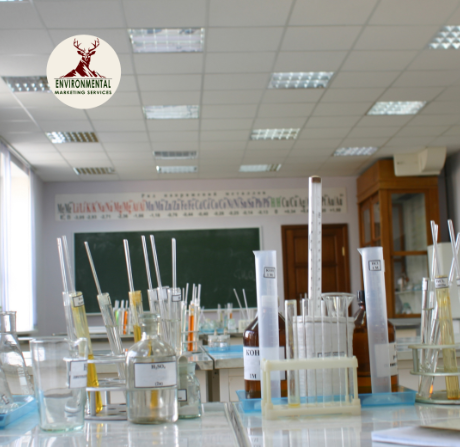
1. Chemical Waste: This covers solvents, acids, bases, and other reactive or potentially toxic substances used in experiments and processes. Even after use, these materials can still be dangerous. If not stored or disposed of correctly, they can cause serious accidents or harm the environment.
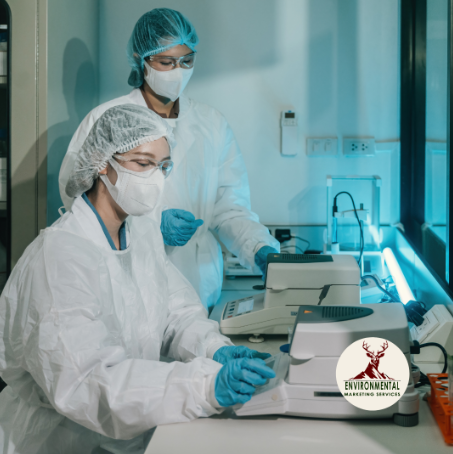
2. Biological Waste: Any materials exposed to living organisms fall into this group. This includes contaminated gloves, cultures, petri dishes, and similar items. Mishandling can result in infection risks and unintended exposure.
3. General Hazardous Waste: These are items that may not be chemicals or biological material but still pose hazards. Used lab coats that contacted chemicals, broken glassware, or equipment worn for protection might contain residues or particles that make them unsafe to handle like regular trash.
Identifying waste types accurately is the first step to managing them. Once that’s done, using the correct storage method—like designated containers that are suitable for handling that type of material—and ensuring proper training makes a big difference. That way, potential cross-contamination or exposure risks are reduced.
State Regulations for Lab Waste Disposal in Maryland
Labs located in Maryland need to follow specific state rules to stay compliant. These rules are designed to support safety, protect natural resources, and ensure traceability. Ignoring them can lead to serious consequences, including penalties.
Proper waste storage is a key part of staying in line with Maryland regulations. Waste must be placed in containers designed specifically for what they’re holding, whether that’s sharps, chemicals, or contaminated materials. Each one needs a proper label that clearly states what’s inside, any known hazards, and the date the waste began accumulating.
Transportation is tightly regulated in Maryland, too. Waste must be handed over to professionals with the proper licenses to handle and transport it. This reduces chances of spills, misuse, or illegal dumping. Disposal sites must also be approved facilities, so nothing ends up harming the environment or local communities.
Keeping good records is another important requirement. Labs must track what kind of waste they create, the amounts, the dates, and final disposal methods. These records can be requested during inspections and are needed to prove full compliance. Without them, your lab could be flagged even if the rest of your practices are solid.
Best Practices for Safe Lab Waste Disposal
Keeping a lab safe isn’t just about following regulations. It also means doing daily tasks with consistency and care. The following habits form the core of safe lab waste handling:
– Segregation and Identification: Separate different types of waste at the source. This means having clear containers for biological, chemical, and general hazardous waste. Mixing the wrong materials can be dangerous and even create new risks.
– Proper Storage and Labeling: A container is only helpful if it’s used correctly. Use approved waste containers, seal them properly, and apply labels that clearly show what the contents are. Include hazards and collection dates. This helps avoid confusion and keeps disposal running smoothly.
– Training and Safety Protocols for Lab Personnel: Everyone handling lab waste should know exactly what to do. Hosting regular training keeps waste disposal procedures top of mind for everyone, reducing accidents. This also helps prevent small mistakes that can turn into big problems later.
By putting these practices in place, labs not only avoid penalties but build a safe working environment for their teams. Organization and responsibility go hand-in-hand when waste is involved.
The Benefits of Professional Hazardous Waste Services
When it comes to handling hazardous waste, partnering with professionals makes a big impact. With expert support, labs can reduce risk, stay organized, and focus more time on research or operations rather than worrying about waste.
One of the biggest advantages is compliance. Professionals know the regulations inside and out, so they can help your lab meet them easily. This includes help with labeling, transportation, and documentation so that all requirements are covered.
They also handle disposal quickly and correctly. Instead of spending time figuring out which items go where or how to label something, pros take care of the details efficiently. This helps keep workflows moving without waste issues causing slowdowns.
Risk management is another key point. Working with specialists lowers the chances of injuries, contamination, or exposure events. If a mistake happens, it could affect funding, research, and your lab’s reputation. Prevention through expert services is easier and far less costly.
Keeping Your Maryland Lab Safe and Compliant
Safe lab waste disposal in Maryland starts with understanding the materials you’re working with and continues through proper handling, recordkeeping, and following regulations. It’s not just about avoiding fines or meeting rules. It’s about protecting your employees, your work, and your surrounding environment.
Using the correct waste containers, labeling them properly, training your team often, and staying up to date on Maryland’s waste rules all help create a smooth operation. As helpful as good habits are, expert support can help simplify the whole process.
If you want your lab to stay safe, clean, and fully compliant with Maryland’s laws, reaching out for professional hazardous waste services could save time, protect your team, and reduce risks before they become problems.
To make sure your lab continues to operate safely and sustainably, it’s smart to have a trusted partner in hazardous waste management. Discover how Environmental Marketing Services can support your compliance efforts with expert hazardous waste services. We’re here to help you create a safer and more efficient lab environment.