Lab waste disposal is a key aspect of maintaining a safe and healthy environment both inside and outside the lab. In Ohio, where research and academic institutions flourish, handling lab waste responsibly is not just about keeping spaces clean—it’s about compliance with state and federal regulations designed to protect our health and the environment. The mishandling of lab waste can pose significant health risks and result in hefty fines or legal action. Understanding the methods for proper disposal is essential for everyone working in or around laboratories.
In Ohio, specific challenges make lab waste disposal unique. The range of chemicals used in experimentation can vary widely, making it critical to know exactly what types of waste you’re dealing with. Following proper procedures helps in minimizing potential dangers and ensures that waste does not harm the environment. Regulations can be daunting, but breaking it down into manageable steps makes it easier for everyone to practice safe disposal.
Types Of Lab Waste
Laboratories generate several types of waste, each with specific handling and disposal requirements. Understanding these categories can help ensure safe practices:
- Chemical Waste: This includes unwanted chemicals, reagents, and contaminated containers. Labs can produce a wide variety of chemical waste, such as solvents or acids, which must be properly segregated to prevent dangerous reactions.
- Biological Waste: This type of waste consists of anything potentially infectious, including petri dishes, cultures, and used personal protective equipment like gloves. It must often be autoclaved or placed in biohazard containers for safe disposal.
- Sharps and Glassware: Sharp objects such as needles and broken glass need to be disposed of in puncture-proof containers to avoid injury. Proper labeling and use of these containers are crucial to prevent accidents.
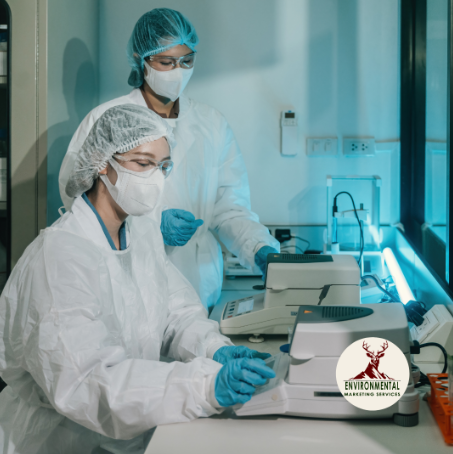
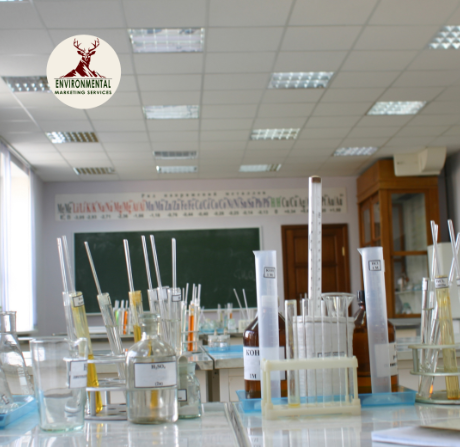
Consider a typical university lab where students conduct experiments. Chemical waste might be generated from reactions, while biological waste could come from microbiology studies. Sharps are also common, particularly in fields like medical research. Each type requires different containers and procedures to handle it safely, emphasizing the importance of understanding the specifics of each waste category.
Proper Disposal Procedures
Handling lab waste responsibly involves a series of well-organized steps. Ensuring all waste is dealt with correctly limits hazards and maintains safety:
– Segregation and Labeling: Waste must be clearly identified and separated into its respective categories, using the appropriate bins or containers. Proper labeling ensures that those handling waste know what they’re dealing with.
– Storage Guidelines: Different types of waste require specific storage solutions. Chemical waste should be stored in cool, ventilated areas, while biological waste might need refrigeration until disposal. Sharps should be stored in puncture-proof containers.
– Safe Transportation and Disposal: Once properly segregated and stored, waste must be transported to a disposal facility by trained personnel, following all health and safety guidelines to reduce risks.
By breaking down these procedures into clear steps, labs can foster a culture of responsibility and safety. Effective waste management not only protects people but also contributes to a cleaner, healthier environment.
Ohio-Specific Regulations
Ohio has its unique set of regulations when it comes to lab waste disposal. A clear understanding of both federal and state guidelines is necessary to ensure that all practices align with legal requirements. Federal rules provide a broad framework for handling hazardous waste, but Ohio has implemented additional guidelines tailored to its environmental needs. These extra regulations are designed to address specific challenges posed by the state’s industrial and educational institutions.
One noteworthy example is that certain chemicals might require unique disposal processes to prevent environmental pollution. Failure to comply can lead to significant legal consequences. Therefore, staying informed about these state-specific rules is crucial. It’s beneficial to regularly check any updates or changes in the regulations to avoid unexpected non-compliance issues.
How Environmental Marketing Services Can Help
Proper waste management often requires expertise and professional resources to navigate complex regulations and ensure safe disposal. Here’s where working with waste management experts can be highly advantageous. Professional services provide not just convenience but also a guarantee that all waste is handled according to the most stringent safety standards.
Partnering with an experienced team can offer several benefits:
– Full compliance with both federal and state-specific regulations, reducing the risk of penalties.
– Custom solutions tailored to the specific needs of your lab, ensuring efficient and cost-effective waste management.
– Access to specialized equipment and expertise, making waste handling safer and more effective.
– Peace of mind knowing that trained professionals are managing potential risks associated with hazardous waste.
Safeguarding Your Lab and Community
Managing lab waste responsibly is a crucial step in protecting not just those who work in labs, but also the broader community and environment. By implementing proper waste disposal practices, labs significantly reduce the potential for accidental exposure to harmful substances and contribute to a cleaner and safer planet.
Taking proactive measures today guarantees long-term benefits not only for each specific lab but for wider areas affected by environmental practices. Emphasizing safety and regulation adherence in daily operations safeguards future work environments and community health. Understanding and acting on the responsibilities of waste disposal highlights the crucial role each lab plays in environmental conservation.
Effectively managing lab waste protects your environment and your peace of mind. Let Environmental Marketing Services assist you with expert hazardous waste services that help your lab stay compliant with Ohio’s regulations. Reach out today and see how we can make waste handling easier and safer for your team.