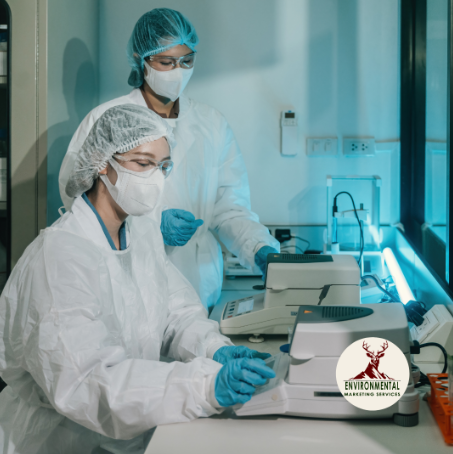
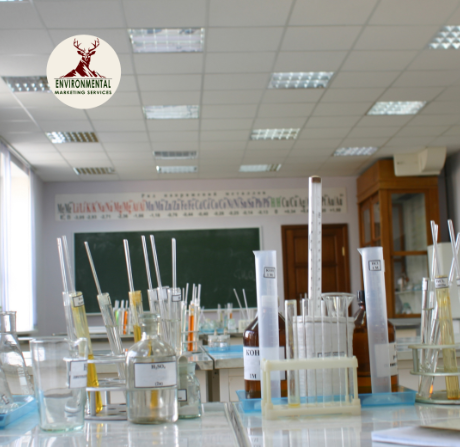
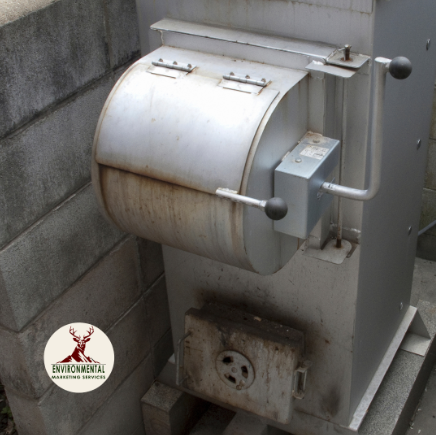
Handling lab waste is a significant task for facilities across Oklahoma. Proper disposal methods ensure that labs operate safely and responsibly, protecting both their staff and the surrounding community. The risks of improper waste management can be severe, leading to environmental damage and potential health hazards. Understanding how to manage lab waste the right way is key for anyone working in laboratory operations.
In Oklahoma, state-specific regulations guide how labs must take care of waste. With a goal of keeping people and the environment protected, these rules outline what needs to be done to stay safe and follow the law. Whether your lab focuses on chemistry, biology, or another area, knowing the basics of waste disposal helps create a more efficient and safer space to work in.
Types of Lab Waste
Lab waste comes in different forms, and knowing how to spot and handle each type is the first piece of the puzzle. Here are the main categories your lab may deal with:
1. Chemical Waste
This includes solvents, acids, bases, and reagents that can pose serious risks if not handled the right way. Even after experiments, leftover chemicals may still be reactive or toxic, needing special containers and processes for disposal. Keeping these substances separated from other types of waste and stored in the correct manner is important to avoid spills or contamination.
2. Biological Waste
Sometimes called biohazardous waste, this refers to any material possibly contaminated with viruses, bacteria, or other live agents. Items like used gloves, pipettes, petri dishes, and cultures fall into this category. If not disposed of responsibly, these materials could carry infectious agents outside the lab and be a danger to others.
3. General Hazardous Waste
This is a broader category for items that have been in contact with harmful substances but don’t fit into chemical or biological groups. Think of used lab coats, broken glassware that held hazardous materials, or old instruments that are no longer safe to use. These materials still need careful disposal since they may retain trace amounts of dangerous substances.
Taking the time to identify what kind of waste you’re dealing with helps prevent mistakes. Separating waste by type makes it easier to store, transport, and dispose of everything properly. Following this step also keeps your lab in line with Oklahoma regulations and reduces risk to everyone involved.
Regulations and Compliance in Oklahoma
Oklahoma has specific rules on how laboratory waste must be stored, tracked, and moved. These regulations exist to protect public health and the environment, and each lab is responsible for knowing and applying them daily. While the task may seem tough, getting a grip on these rules can help lab staff feel more confident in their work.
Key points of Oklahoma lab waste regulations include how long waste can be stored onsite, what kinds of containers must be used, and how materials should be labeled. Labs are also expected to use licensed transporters for final disposal. Missing any of these steps could lead to serious penalties or damage to the lab’s reputation.
Keeping accurate records is a big part of staying compliant. Labs must document the amount and type of waste created, how it’s stored, the safety procedures in place, and the date it leaves the premises for disposal. These records may be checked during audits, and they serve as proof that proper measures are being taken.
Complying with state rules doesn’t just help you avoid fines. It also builds trust among lab workers and lets the wider public know that your lab is committed to safety and responsibility.
Best Practices for Safe Lab Waste Disposal
Having a process in place for waste management will give your lab an extra level of protection. Here’s what that should look like:
1. Identify and Segregate Waste
Start by figuring out what type of waste each item is. Then, separate it into clearly marked containers. Mixing different types can be dangerous and go against the rules set by the state.
2. Store and Label Correctly
Every container needs to be sturdy, leak-proof, and made of materials that are compatible with the waste inside. Label each container with the exact name of the substance and any risks it poses. That way, everyone in the lab knows what they’re dealing with, and nothing gets handled the wrong way.
3. Transport and Dispose of Responsibly
Once your waste is ready to leave the lab, make sure it’s moved in a way that reduces risk. This might involve spill kits, sealed drums, or secure holding areas before pickup. Choose a disposal method that eliminates the hazard for good, like incineration or chemical neutralization. Professional waste services will take care of this step once the waste has left your lab.
Safety starts with the little details. From labeling bottles to double-checking transport logs, a few extra minutes of care can prevent big issues down the line.
Finding the Right Hazardous Waste Services
Selecting a hazardous waste service in Oklahoma is one of the most important decisions your lab will make. These providers handle the final stages of waste disposal, so choosing the right one affects safety, compliance, and even workflow. Keep an eye out for these things when making your choice:
– Experience across different types of lab waste
– Turnkey services that cover pickup through disposal
– Transparent tracking and paperwork
– Certified personnel trained in OSHA and EPA guidelines
– Support with documentation and audits
Working with a professional team saves your lab time and reduces room for error. Trained specialists know how to manage risk and prevent accidents. They also know the laws inside and out, so you won’t be left second-guessing whether your lab is handling waste correctly.
Clear documentation is another big plus. These providers will give you everything you need to show that your lab’s waste was managed the right way. That kind of peace of mind is hard to beat when you’re looking to build trust and keep your records in order.
Why It Matters for Oklahoma Labs
Taking care of lab waste isn’t just another box to check. It’s about making sure that everyone in the lab, from interns to senior scientists, can go home safe at the end of the day. It also protects our state’s land, air, and water from exposure to harmful substances.
Oklahoma labs that take pride in managing waste responsibly build a sense of trust in their teams and throughout their communities. People feel safer when they know potential hazards are being handled by professionals. It also clears one more thing off your to-do list, letting your lab stay focused on the work it’s built for.
By following these practices, understanding the types of lab waste, and following state regulations, labs in Oklahoma can continue to operate with confidence. When the time comes to find a waste service partner, choose one that treats safety and quality as seriously as you do. That decision makes a big difference in how your lab runs day to day.
If you have questions about hazardous waste management or need reliable support for your lab in Oklahoma, Environmental Marketing Services is here to help. We provide dependable hazardous waste services that are designed to keep your operations safe, efficient, and fully compliant with local regulations. Get in touch with our team today to find the best solution for your lab’s waste disposal needs.