Protect Your Lab with Smarter Waste Decisions
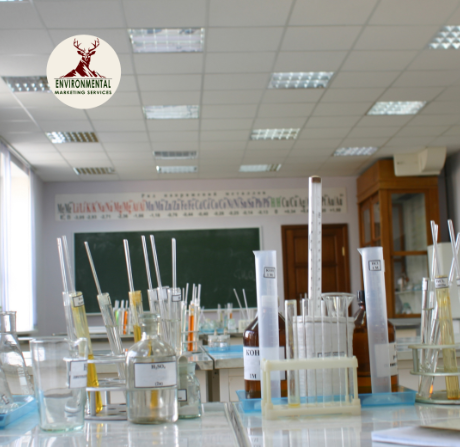
Laboratory waste management starts at the bench, not when a truck arrives for pickup. The choices you make when identifying, collecting, labeling, and storing materials can protect your team, support compliance efforts, and reduce the chance of a spill, delay, or unsafe reaction.
We help organizations think through the full path of their waste, from the moment it is generated through transportation and final disposal. Whether you manage a university lab, research facility, manufacturing operation, healthcare organization, or private laboratory, a clear plan can make daily work safer and more organized. Requirements may vary based on the waste type, generator status, and state or local rules, so informed guidance matters.
Classify Every Waste Stream Before It Leaves the Lab
Accurate identification is the foundation of laboratory waste management. Before materials are placed in a waste container, we recommend determining what they are, what hazards they may present, and whether special handling is needed. Safety data sheets, chemical composition, process knowledge, and applicable regulations can all help inform that determination.
Common hazardous laboratory waste may include:
- Ignitable solvents and flammable liquid mixtures
- Corrosive acids, bases, and cleaning solutions
- Reactive chemicals that may become unstable or dangerous
- Toxic materials and certain listed chemical wastes
- Contaminated materials, such as absorbents, PPE, or lab debris
Separate waste streams before they become a problem. Mixing incompatible chemicals can create heat, pressure, toxic vapors, fires, or other dangerous reactions. Acids should not be mixed with bases, oxidizers should stay apart from flammables, and unknown chemicals should never be added to another waste container simply to clear shelf space.
Special categories also deserve attention. Batteries, lamps, some electronic devices, and mercury-containing equipment may fall under universal waste requirements. Radioactive, biohazardous, pharmaceutical, and chemically contaminated materials can involve additional handling needs. When a material falls into more than one category, we recommend coordinating with qualified waste professionals before it is packaged for shipment.
Build a Laboratory Waste Management Plan That Works
A written plan gives everyone a clear role. Without one, staff may make different assumptions about who labels containers, checks storage areas, arranges pickups, or maintains paperwork. We encourage labs to identify responsible people for each part of the process so waste does not sit unnoticed or become someone else’s problem.
Daily procedures should be easy to find and easy to follow. Your standard operating procedures can cover collection methods, accumulation areas, container closures, inspections, spill response, emergency contacts, and staff training. Review these procedures whenever your lab brings in new chemicals, changes a process, reorganizes workspaces, or updates its internal safety practices.
Good inventory habits can prevent unnecessary waste from building up. A regular review helps your team spot aging materials before labels fade or containers deteriorate. When allowed by your organization’s policies, usable chemicals may be shared between departments instead of being left unused.
Helpful inventory practices include:
- Order only the amount your lab reasonably expects to use
- Rotate stock so older materials are used first when appropriate
- Keep labels readable and containers in good condition
- Identify expired, abandoned, or unknown chemicals early
- Maintain a current inventory that staff can review
Unknowns often take more time and coordination to manage than clearly identified materials. Keeping records current makes future disposal decisions simpler and safer.
Package, Label, and Store Waste for Safe Transport
The right container matters just as much as the right waste classification. Containers should be compatible with their contents, structurally sound, leak resistant, and closed except when waste is actively being added. Original containers may sometimes be reused, but only if they are in good condition, compatible with the waste, and labeled correctly.
Labels should be completed as soon as waste is generated. A useful label clearly identifies the contents instead of relying on broad terms such as “waste chemicals” or “solvent mixture.” Depending on the material and your facility’s requirements, labels may also need hazard information, an accumulation start date, and other facility details. Clear labeling helps protect lab staff, transporters, and anyone who must handle the container later.
Storage areas need regular attention, too. We recommend keeping containers upright, separating incompatible materials, limiting access to trained personnel, and using secondary containment where appropriate. Ventilation, aisle space, and routine inspections can also help support safer handling.
Fall is a smart time to look at storage conditions before weather shifts affect loading areas, outdoor spaces, or transportation schedules. Rain, cooler temperatures, and changing staffing patterns can all create small operational challenges that are easier to address before they cause a delay.
Choose Disposal Partners and Keep Records Audit Ready
A waste provider should be able to coordinate transportation and disposal options that fit the materials your lab generates. At Environmental Marketing Services, we provide transportation and disposal solutions for hazardous, non-hazardous, and universal waste. This can be helpful when your organization has multiple facilities, campuses, or locations that need a more consistent waste approach.
The service plan should match your actual operations. Some labs need support with chemical lab packs and containerized materials, while others may have bulk waste, universal waste, emergency response needs, or recurring pickup schedules. We work with organizations to review their waste profile and determine what handling and transportation support may be appropriate.
Organized records are part of responsible laboratory waste management. Keep waste profiles, shipping papers, manifests, certificates of disposal or recycling, inspection logs, training records, and related communications together in a system your team can access. These documents can help during audits, support internal reviews, and give decision makers a clearer picture of waste trends over time.
As fall begins, take a moment to review inventories, inspect accumulation areas, refresh employee training, and plan ahead for year-end projects or changing schedules. A lab that identifies materials early, keeps waste separated, and maintains clear records is better prepared to handle waste safely throughout the year.
Strengthen Your Waste Program With Expert Support
Environmental Marketing Services provides dependable laboratory waste management solutions tailored to your facility’s operational needs. Our team can help simplify waste handling, documentation, transportation, and disposal requirements. To discuss your program with a specialist, contact us today.