Protecting Your Workplace From Hidden Mercury Risks
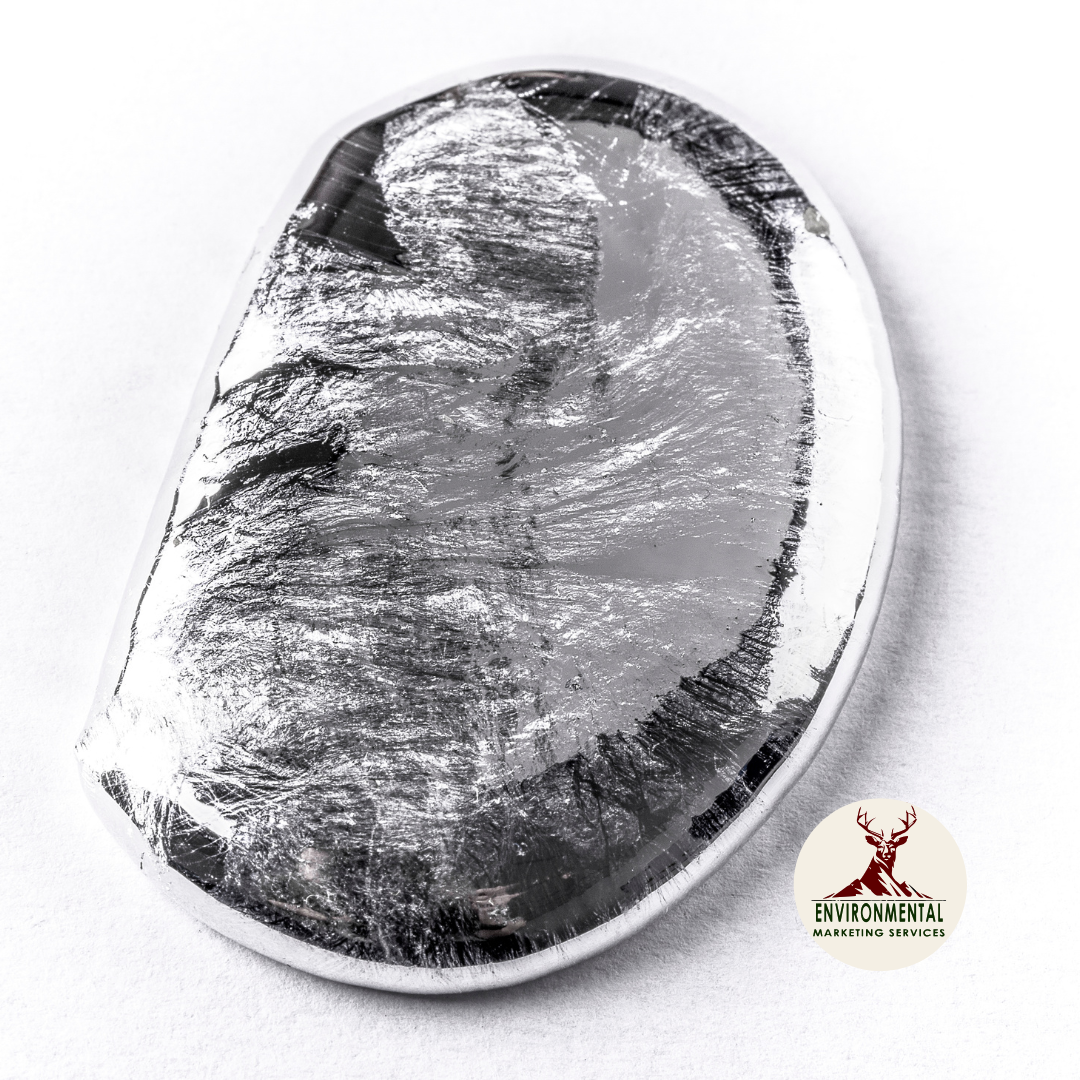
Mercury is a naturally occurring metal that becomes a serious problem when it is released into the air, water, or soil. In its elemental form, it gives off invisible vapor that can be inhaled, which is where the greatest risk lies. Long-term exposure can affect the brain and nervous system, and even small spills can leave behind contamination that is difficult and expensive to remove.
In commercial and industrial facilities, mercury is not just a theoretical concern. It is present in real, everyday items such as thermometers, pressure gauges, switches, lighting, and certain lab chemicals. When these materials are broken, mishandled, or thrown in the regular trash, they can create safety hazards, regulatory violations, and lasting environmental harm.
Here in Seneca, proper mercury thermometer disposal matters for OSHA compliance, for protecting employees and visitors, and for being a good neighbor to the community. As a hazardous and nonhazardous waste transportation and disposal company based in Seneca, we at Environmental Marketing Services, LLC help generators across 47 states manage mercury safely and in compliance with applicable regulations.
Where Mercury Lurks in Commercial and Industrial Facilities
Many workplaces are surprised by how many mercury-containing items are tucked into equipment rooms, storage closets, and older process lines. Common examples include:
- Thermometers, barometers, and manometers
- Electrical switches, thermostats, and relays
- Fluorescent lamps and some specialty lighting
- Dental amalgam and certain laboratory reagents
- Process instruments and manufacturing residues
Offices and schools may see mercury in older wall thermostats and fluorescent bulbs. Medical facilities and labs often have mercury thermometers, manometers, and analytical equipment that has been in service for years. Industrial plants and utilities may have mercury in level indicators, pressure devices, and legacy controls that were installed long before current standards.
Those older items are easy to overlook, especially if they have been boxed up or pushed to the back of a shelf. That is why periodic hazardous materials audits are so valuable. A structured review helps identify forgotten thermometers, damaged gauges, or containers of elemental mercury before they leak or get tossed into regular trash.
Mercury thermometers are a special concern in labs, maintenance shops, and older HVAC systems. Many local businesses and institutions still have a mix of glass mercury thermometers alongside newer digital options. When one breaks, it is not just a broken glass issue. It becomes a hazardous waste and potential exposure event. Setting up a safe program for mercury thermometer disposal in Seneca, SC helps remove that risk before it turns into an incident.
Safe Handling and Spill Response for Mercury Materials
Once mercury-containing items have been identified, the next step is to handle and store them safely. Good day-to-day practices include:
- Keeping intact items in closed, compatible containers
- Using secondary containment for loose or elemental mercury
- Labeling containers clearly so staff know what is inside
- Segregating mercury items from regular trash and recyclables
- Storing in a secure area away from drains and high-traffic zones
If a small mercury spill does occur, the response needs to be calm, controlled, and based on sound procedures. For minor breakages, such as a single thermometer, many facilities can manage the initial response if they are prepared.
Basic steps often include:
- Isolating the area and stopping foot traffic
- Increasing ventilation to the outdoors if possible, without spreading contamination
- Avoiding brooms, mops, or standard vacuums that can spread mercury droplets
- Using appropriate cleanup tools and materials designed for mercury
- Placing collected waste in sealed, labeled containers for proper disposal
Any spill that is more than minor, that affects porous surfaces, or that could involve wider exposure should be handled by qualified contractors. Employees need appropriate personal protective equipment, such as gloves and eye protection, and they need training on how to recognize mercury, follow procedures, and report incidents. Untrained staff should not be asked to manage significant spills on their own.
As a hazardous waste transporter and disposal partner, we help clients develop written procedures, training plans, and emergency response strategies that fit their sites. This preparation pays off when something unexpected happens.
Mercury Recycling, Treatment, and Final Disposal Options
Managing mercury correctly is not only about getting it off-site. It is also about what happens to it afterward. In general, there are three paths for mercury waste: recycling, treatment, and disposal. Recycling is preferred when it is feasible, because it supports sustainability and can reduce long-term liability for generators.
For many generators, the process looks like this. Mercury-containing items are collected and containerized at the site, labeled according to regulatory requirements, and stored safely until shipment. They are then transported under Department of Transportation rules to a permitted facility. There, the materials are sorted, and elemental mercury is separated. Depending on the waste type and facility, mercury may be recovered for reuse or stabilized so it can be disposed of in a secure environment.
Different mercury items have different handling needs:
- Thermometers and gauges are usually packaged in rigid, sealed containers with cushioning to prevent breakage.
- Lamps, such as fluorescent tubes, are collected in specialized boxes or drums designed for lamp recycling.
- Switches and relays may be accumulated in pails or drums, then sent for dismantling and recovery.
- Elemental mercury is stored in compatible, tight-sealing containers to prevent leaks and vapor release.
For businesses arranging mercury thermometer disposal in Seneca, SC, we coordinate these steps through our regional and national network. That includes helping with appropriate packaging, labeling, and documentation so waste can move smoothly to permitted recycling or disposal facilities.
Mercury Regulations and Generator Responsibilities
Mercury wastes are subject to several layers of regulation. At the federal level, Resource Conservation and Recovery Act (RCRA) hazardous waste rules apply to many mercury wastes, including certain spent products and process residues. Some mercury-containing products, such as certain lamps and devices, can be managed under Universal Waste regulations, which offer streamlined rules while still protecting health and the environment. Transportation is governed by Department of Transportation requirements, which cover packaging, labeling, and shipping papers.
On top of federal standards, each state can have its own rules, interpretations, and permitting requirements. Because we serve clients across 47 states, we see how different those requirements can be and why multi-state generators benefit from consistent guidance.
Generators have key responsibilities, including:
- Correctly identifying and classifying mercury wastes
- Managing containers in good condition and keeping them closed
- Respecting accumulation time limits and storage requirements
- Preparing and maintaining shipping manifests when required
- Keeping records that demonstrate proper management and disposal
We support clients by assisting with waste characterization, profiling, and documentation, then arranging for transportation to permitted facilities that are appropriate for the specific waste streams involved.
Local Solutions in Seneca, SC, and Beyond
Being based in Seneca gives us a close view of how local industries, institutions, and public agencies handle mercury-containing materials. At the same time, our service footprint across most of the United States allows us to help companies that operate in multiple locations and states.
For mercury thermometer disposal in Seneca, SC, we work with generators to design programs that match their operations. Some sites benefit from scheduled pickups of accumulated mercury items, while others prefer one-time cleanouts to clear old storage areas, labs, or maintenance shops. The goal is to create a practical, compliant system that fits existing workflows.
Facilities in this region that can benefit include:
- Manufacturing plants with legacy instruments and switches
- Universities and colleges with teaching and research labs
- Hospitals, clinics, and medical offices with older thermometers and devices
- Utilities and municipal agencies with mercury-containing gauges and controls
By combining transportation, disposal coordination, and compliance support, we help simplify mercury management so facility teams can focus on their core work while knowing their mercury wastes are handled responsibly.
Protect Your Seneca Community With Safe Mercury Thermometer Disposal
If you are ready to clear out old thermometers safely, we are here to help with compliant, reliable mercury thermometer disposal in Seneca, SC. At Environmental Marketing Services, we handle the entire process so you avoid regulatory headaches and protect your staff, patients, or residents. Tell us about your materials and schedule a pickup or consultation using our contact page form today.