Why Safe Mercury Disposal Matters for Local Businesses
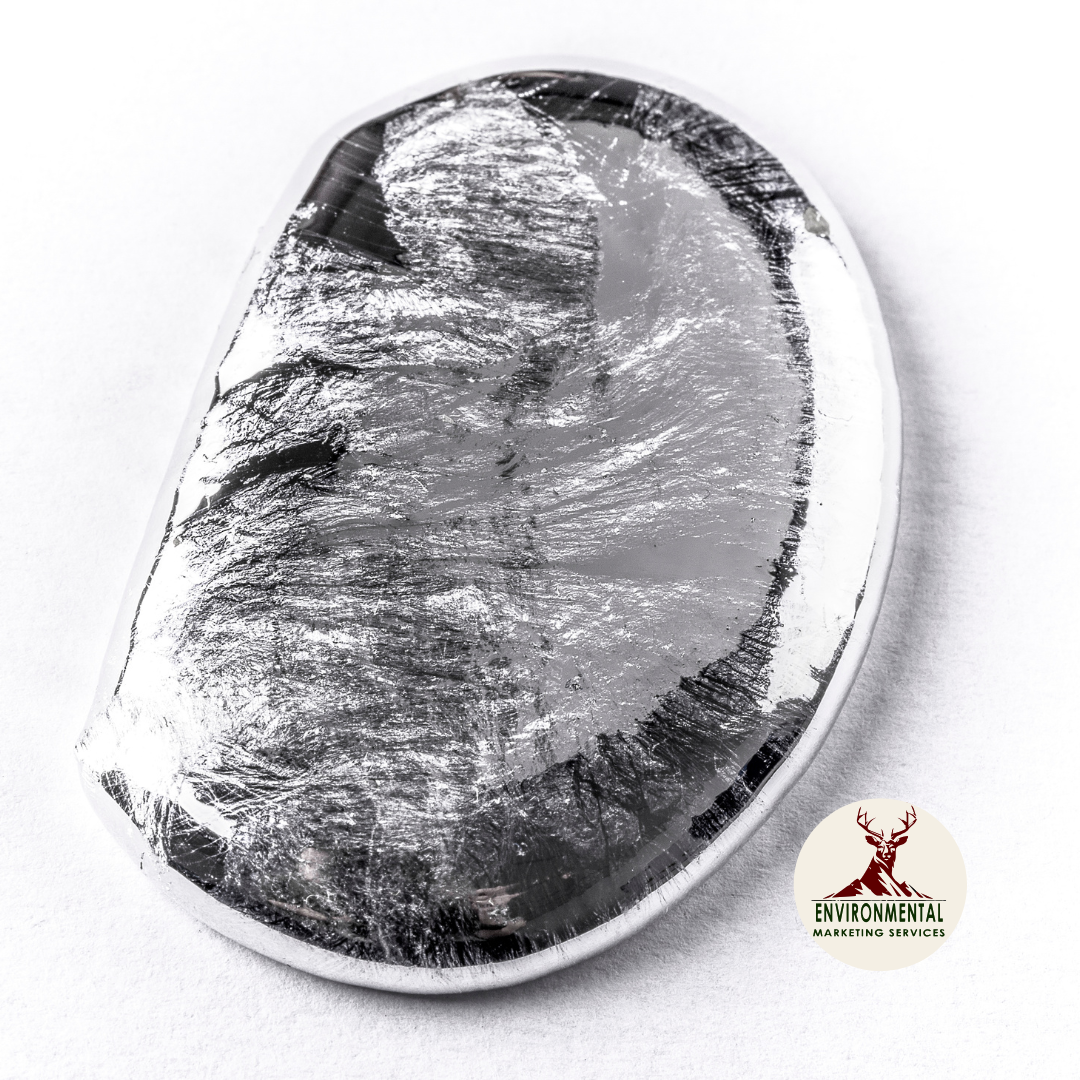
Mercury is a silvery liquid metal that conducts electricity and responds quickly to temperature changes, which is why it has been used for decades in thermometers, thermostats, fluorescent lamps, and specialized instruments. Many workplaces around Seneca, SC still have mercury in medical or laboratory thermometers, wall thermostats, blood pressure devices, older switches, and some industrial process equipment. Even if these items sit quietly on a shelf or in a storage closet, they become a serious concern once they break or reach the end of their useful life.
When mercury is released, it can evaporate at room temperature and the vapor can be inhaled. Long-term or high-level exposure is linked to neurological damage and other serious health effects. In the environment, mercury can settle into soil and water, where it can transform into more toxic forms that build up in fish and wildlife. For businesses, improper disposal is not only a safety issue, it can lead to regulatory fines, cleanup costs, and community concern, along with damage to reputation. At Environmental Marketing Services, LLC, we help businesses in Seneca and across most of the United States manage mercury and other hazardous wastes in a safe, compliant way so they can focus on their operations with confidence.
Common Mercury Sources in Facilities and How to Handle Them
Many facilities are surprised by how many mercury-containing items they have on-site. Common examples include:
- Medical and lab thermometers
- Wall-mounted thermostats and switches
- Blood pressure devices with mercury columns
- Fluorescent tubes and compact fluorescent lamps (CFLs)
- Certain industrial instruments and control devices
These materials are generally safe when intact and used correctly, but they must be treated carefully when broken or discarded. Do not crush or open devices to remove the mercury, and do not throw them into regular trash or recycling. Intact items should be stored in sealed, compatible containers, clearly labeled, and kept away from heat sources or high-traffic areas where they might be knocked over.
If a mercury thermometer or similar device breaks, the way you respond matters. Avoid vacuuming or sweeping with a broom, since that can spread small droplets and increase vapor. Instead, ventilate the area by opening windows or doors if possible, then carefully collect visible beads with stiff cardboard or paper and use tape to pick up tiny droplets. All cleanup materials, including gloves and paper, should go into a sealed container. From there, it is best that businesses work with professionals for cleanup and disposal. Household trash services are not designed for mercury thermometer disposal in Seneca, SC, and commercial generators are expected to meet a higher standard.
Mercury Thermometer Disposal in Seneca, SC: Business Guide
In a commercial setting, mercury waste is more than just a housekeeping issue. Clinics, hospitals, laboratories, schools, manufacturers, maintenance departments, and other facilities that generate mercury waste must follow hazardous waste regulations. When a mercury thermometer or similar device is discarded, it is often considered a hazardous waste, which brings specific storage, labeling, and shipping requirements.
Even a small number of discarded thermometers can trigger special handling rules if they are managed as hazardous waste, so they should always be kept out of regular trash and single-stream recycling. Businesses in and around Seneca are expected to separate mercury-containing items, store them safely, and work with qualified transporters and disposal partners that understand the regulations.
At Environmental Marketing Services, we look at each client’s mercury waste as a unique stream. We consider factors like quantity, whether the mercury is elemental or part of a device, and whether it is contaminated with other materials. Based on that assessment, we determine appropriate packaging, labeling, and transportation options that match regulatory requirements and the facility’s internal procedures.
How Mercury Is Recycled and Disposed of Safely
Once mercury-containing materials leave a facility, there is a structured process to keep people and the environment safe. Approved containers, secure loading methods, and detailed shipping paperwork all work together so mercury waste travels with minimal risk. Licensed hazardous waste carriers follow specific routing and handling practices designed to prevent spills or accidental releases in transit.
At specialized facilities, many mercury products can be recycled. Devices are opened in controlled environments so the mercury can be separated from glass, metal, or plastic components. Elemental mercury can be purified by distillation and then directed to appropriate end uses. Fluorescent lamps and similar items are processed to recover both mercury and other materials, which reduces the amount of waste that must be landfilled.
In cases where mercury is heavily contaminated or cannot be practically recycled, it may require treatment that stabilizes it so it is less likely to move in the environment. After treatment, the waste is sent to secure landfills designed for hazardous materials. For businesses, working with an experienced company for mercury thermometer disposal in Seneca, SC supports lower environmental impact and provides clear documentation. Manifests and final disposal or recycling records help show that the waste was handled responsibly from start to finish.
Key Laws and Regulations Governing Mercury Disposal
Several federal rules shape how mercury must be managed. The Resource Conservation and Recovery Act, often referred to as RCRA, provides the framework for identifying and managing hazardous waste, which includes certain mercury-containing wastes when discarded. The Department of Transportation regulates how hazardous materials move on public roads, including packaging, labeling, and driver requirements that apply to mercury shipments.
Some mercury-containing products, such as lamps and certain devices, may qualify as universal waste under Environmental Protection Agency standards. Universal waste rules can offer simplified management in specific situations, but they still require proper storage, labeling, and timely shipping to qualified facilities, rather than disposal in regular trash.
On top of federal rules, businesses in South Carolina must follow state-level guidance that works alongside these broader regulations. That includes keeping mercury out of local landfills and ensuring that any recycling or disposal partner follows the correct rules. Proper paperwork is an important part of this picture. Manifests, shipping records, and certificates of recycling or disposal should be kept on file, along with internal logs, to demonstrate compliance during audits or inspections.
Practical Steps to Stay Compliant and Protect Your Team
Good mercury management starts with a clear plan. Facilities that handle thermometers, lamps, or other devices can benefit from a straightforward checklist:
- Identify all mercury sources across your site
- Segregate intact and broken items from regular trash and recycling
- Label containers clearly so staff know what is inside
- Train employees on spill response and proper handling
- Arrange regular removal with a qualified waste management partner
Another smart step is to gradually move away from mercury-containing products. Digital thermometers, electronic thermostats, and LED lighting can often replace older mercury-based devices. When you upgrade, it is important to handle the older equipment as hazardous or universal waste, depending on its type, rather than discarding it with general refuse.
At Environmental Marketing Services, we help facilities look at mercury in the context of their entire waste program. By integrating mercury with other hazardous and non-hazardous waste streams, many clients find that they can simplify internal processes, reduce confusion for staff, and manage costs more effectively. Clear internal procedures, visible signage, and refresher training help ensure that every broken thermometer, lamp, or device is handled correctly every time.
Partnering with Experts for Safer Mercury Management
Trying to manage mercury entirely on your own can create real risk. Without specialized knowledge, it is easy to misclassify waste, store materials in unsuitable containers, or miss important recordkeeping steps. This is especially true for medical, educational, and industrial facilities that have many different materials on-site and staff with varying levels of training.
Our team at Environmental Marketing Services supports clients through each stage of the process, from identifying mercury sources and setting up collection areas to arranging compliant transportation, recycling, and disposal. We help make regulatory expectations clearer and more predictable so businesses in the Seneca area can maintain safe workplaces, protect the environment, and keep inspections straightforward. By reviewing current practices and tightening up procedures where needed, organizations can handle mercury thermometer disposal in Seneca, SC with greater confidence and less stress for their teams.
Protect Your Community With Safe Mercury Thermometer Disposal Today
If you are ready to safely remove outdated or broken mercury thermometers, we can handle the entire process for you. Our mercury thermometer disposal in Seneca, SC service is designed to protect your staff, facility, and the environment while keeping you compliant with regulations. At Environmental Marketing Services, we will assess your needs, schedule convenient pickup, and manage disposal from start to finish. Reach out through our contact page to schedule service or request a customized quote.