Why Proper Mercury Thermometer Disposal Matters in Seneca
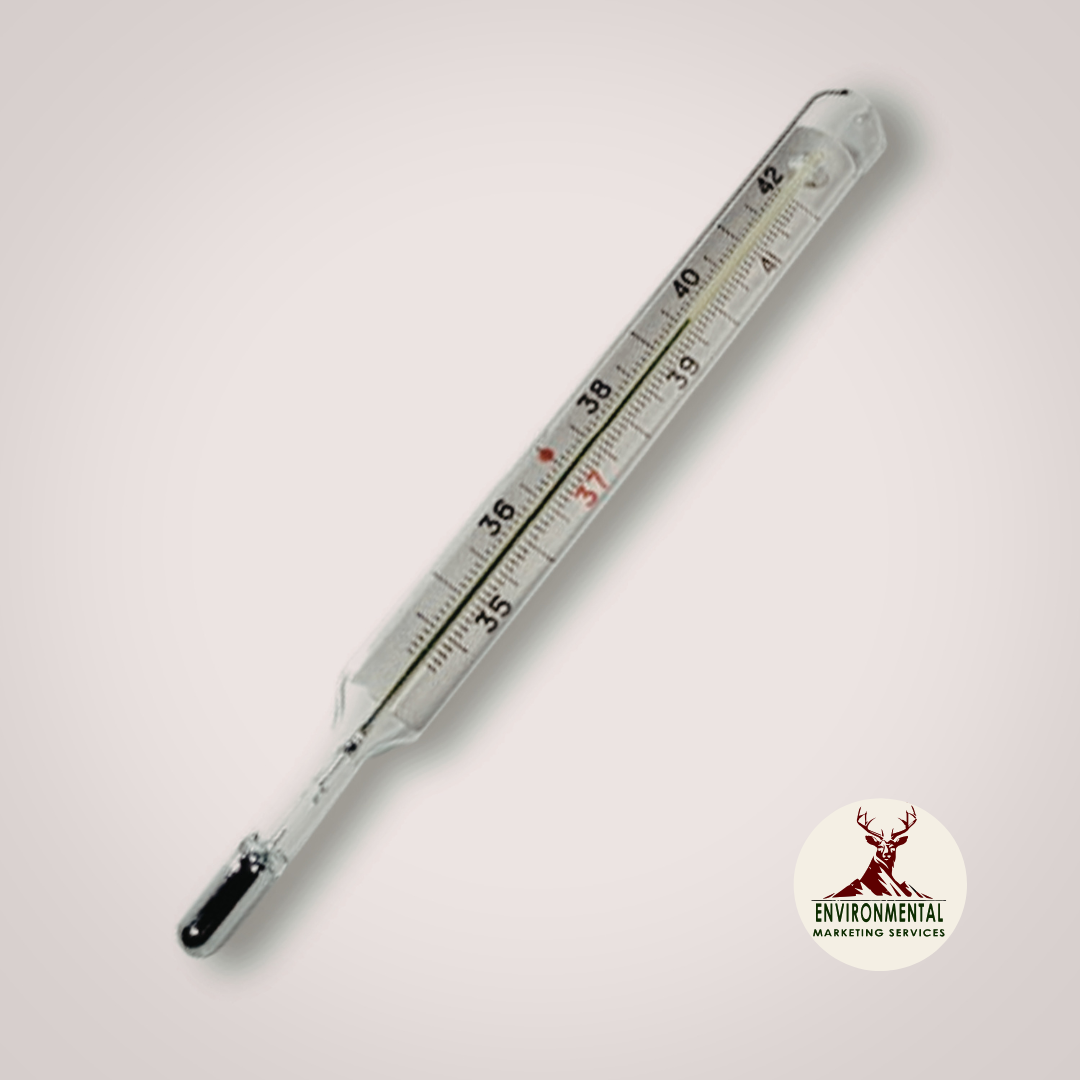
Mercury thermometers may look simple, but what is inside them is not. The silver liquid is elemental mercury, a toxic metal that can evaporate at room temperature. When this vapor is inhaled, it can affect the brain, kidneys, and nervous system for people and pets, especially in enclosed spaces.
If a thermometer is broken or tossed in regular trash, mercury can escape into indoor air, settle into dust, or eventually end up in soil and waterways. In a community like Seneca, improper disposal can contribute to contamination that affects local creeks, lakes, and wildlife. Small releases can add up over time, especially in healthcare, lab, and industrial settings where more thermometers are in use.
For businesses, mercury is not just a health concern; it is often regulated hazardous waste. Throwing mercury thermometers into a dumpster or red bag waste can lead to violations and higher liability. That is why commercial generators need a planned, compliant way to handle mercury disposal in Seneca, SC.
At Environmental Marketing Services, LLC, we help businesses across Seneca and Upstate South Carolina manage mercury thermometers and other hazardous and non-hazardous wastes so they are transported, treated, and disposed of safely.
Understanding Mercury Waste Rules in South Carolina
Mercury thermometers are regulated under federal hazardous waste laws, often referred to as RCRA. When discarded by a business, mercury-containing devices usually meet the definition of hazardous waste because of their toxicity. The federal Universal Waste rules provide an alternative framework for certain mercury-containing equipment, which can simplify handling and storage if the criteria are met.
South Carolina follows federal hazardous waste rules and has additional state-level requirements. Commercial generators in Seneca, such as clinics, labs, schools, and manufacturers, must follow these rules when they decide to discard mercury thermometers. That includes proper identification of the waste, correct labeling, and shipping to an approved treatment or disposal facility.
A discarded thermometer from a business can be managed either as hazardous waste or as universal waste, depending on how the generator chooses to handle it and the type of device. This choice affects recordkeeping, accumulation time limits, and storage conditions. Universal waste rules are often designed to encourage proper recycling and can offer more flexible on-site management.
Households are generally treated differently from businesses. A single home in Seneca clearing out an old fever thermometer is not regulated the same way as a hospital or industrial plant. However, commercial generators, including medical offices, school science labs, and manufacturing facilities, are expected to follow hazardous or universal waste regulations when their thermometers become waste.
What Seneca Businesses Should Do with Mercury Thermometers
The first step for any facility is to figure out where mercury thermometers are located and how many are on site. Many businesses still have older equipment in drawers, cabinets, or lab kits. Identifying these items early allows you to keep them out of regular trash and red bag medical waste streams.
Once identified, thermometers should be segregated and handled carefully to avoid breakage. We recommend that Seneca facilities:
- Place mercury thermometers in closed, shatter-resistant containers
- Add padding or dividers to prevent glass-on-glass contact
- Store containers away from drains, sinks, and high-traffic areas
- Label containers clearly so staff know they contain mercury devices
On-site, safe handling is only part of the picture, businesses also need basic records to show how mercury disposal in Seneca, SC, is being managed. That may include waste profiles, manifests for shipments, and internal logs of how many thermometers were shipped and when. A professional waste partner can guide you on what documentation fits your generator status and waste volumes.
Transporting mercury thermometers off-site requires a licensed transporter and an appropriate destination facility. Working with a company experienced in mercury management reduces the risk of spills in transit and helps keep your facility aligned with state and federal expectations.
How Environmental Marketing Services Handles Mercury Waste
When we support a Seneca business with mercury waste, we begin by understanding the full picture. We look at where the thermometers are used, how frequently they are discarded, their condition, and whether they are best classified as hazardous waste or universal waste. This helps us match service options with regulatory requirements and your internal procedures.
Packaging and transportation are critical for mercury-containing devices. We provide solutions that focus on spill prevention and proper labeling so containers stay intact from your loading area through transportation to the receiving facility. This includes appropriate containers, absorbent materials, and clear markings to keep handlers informed.
Once collected, mercury-bearing devices are sent to approved facilities for treatment, disposal, or recycling, depending on the waste type and options available. The goal is to control and contain mercury so it does not reach the broader environment. By following established treatment and disposal methods, we help protect air, soil, and water in and around Seneca.
For businesses in Seneca and across Upstate South Carolina, working with Environmental Marketing Services offers practical benefits. You gain a single point of contact for mercury thermometers and other hazardous and non-hazardous waste streams, support with regulatory compliance, and consistent service across multiple locations in the many states where you operate.
Steps to Take If a Mercury Thermometer Breaks
Even with good planning, accidents can happen. If a mercury thermometer breaks in your facility, the priority is to protect people. Clear the immediate area of non-essential staff, open windows or doors if possible, and block off the space so no one walks through the spill.
Certain cleaning methods actually make the situation worse. Avoid:
- Using a vacuum cleaner or broom on spilled mercury
- Pouring any part of the spill into sinks, toilets, or floor drains
- Tossing mercury debris into regular trash cans or medical waste containers
- Allowing untrained staff to handle the cleanup without guidance
For small spills, basic cleanup may be possible if you follow guidance from federal and state environmental agencies. This usually involves wearing appropriate gloves, carefully picking up glass, using cardboard or stiff paper to gather beads of mercury, and placing all debris and cleanup materials into a sealable container. The container should be labeled and managed as hazardous or universal waste, not as regular trash.
If the spill is larger, occurs in a sensitive area such as an HVAC intake, or if mercury has spread across porous surfaces, it is safer to stop DIY cleanup efforts. In those situations, facilities should work with a professional hazardous materials team. As a waste management company that handles hazardous and non-hazardous materials, we can support facilities in Seneca that need help with mercury-related incidents.
Local Resources and Next Steps for Seneca Facilities
Across Seneca and surrounding communities, a wide range of organizations handle mercury thermometers at some point. These include medical offices and urgent care centers, school and college laboratories, industrial plants, quality control labs, and some manufacturing and testing operations.
Helpful resources for these facilities include guidance from South Carolina environmental agencies, mercury information from the EPA, and local health department contacts for public health questions. These resources provide general expectations that apply across the state.
We coordinate our services with the requirements of Seneca and South Carolina regulators so that the waste we handle is managed in a compliant way from pickup through final treatment or disposal. That coordination helps generators stay aligned with current rules without having to interpret every detail on their own.
To move forward, facilities in Seneca can:
- Inventory on-site mercury thermometers and similar devices
- Set up safe, labeled storage away from drains and high-traffic areas
- Establish a regular disposal or recycling schedule
- Work with a hazardous and non-hazardous waste partner to build a site-specific plan
Protecting Seneca’s Community with Responsible Mercury Disposal
By managing mercury thermometers responsibly, Seneca businesses help protect employees, customers, and neighbors from unnecessary exposure. Proper disposal keeps mercury out of indoor air, landfill leachate, and local waterways that support recreation and wildlife.
Partnering with an experienced waste management company makes compliance more manageable and reduces the risk of costly mistakes. With a thoughtful approach to mercury disposal in Seneca, SC, local facilities can meet their regulatory obligations while supporting a safer community for everyone who lives and works here.
Protect Your Seneca Community With Safe Mercury Disposal Today
If you have old thermostats, fluorescent lamps, medical devices, or other mercury-containing materials, now is the time to handle them safely and legally. At Environmental Marketing Services, we provide compliant, turnkey mercury disposal in Seneca, SC so you can reduce risk and protect both your facility and the environment. We will help you understand your options, manage transportation and handling, and document everything for your records. Ready to schedule service or ask questions about your specific materials? Contact us today.