Proper disposal of lab chemicals is a key aspect of maintaining a safe and sustainable environment. Each laboratory, regardless of its size or field, generates chemical waste that must be handled responsibly to prevent health risks and environmental damage. The importance of this process cannot be overstated, as improper disposal can lead to contamination of soil, water, and air, posing a threat to ecosystems and human health.
Understanding the correct procedures and guidelines for chemical disposal is necessary for anyone involved in laboratory work. Labs often work with a wide array of substances, each requiring a different method of disposal. To protect both people and the environment, it is crucial to have a well-organized disposal plan that complies with current regulations and practices.
Understanding the Types of Lab Chemicals
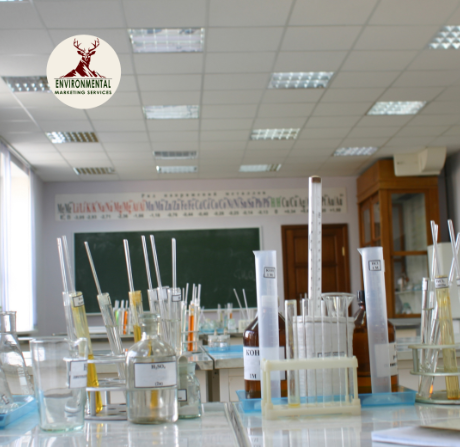
Lab chemicals are generally classified into two main categories: hazardous and non-hazardous. Knowing the distinction between these types aids in developing an efficient disposal plan.
Hazardous chemicals are substances that pose risks due to their properties, such as toxicity, flammability, or reactivity. Common examples include strong acids, solvents, and heavy metals. Special care is needed to dispose of these chemicals correctly, as they can cause harm if released into the environment.
Non-hazardous chemicals, while safer, still require appropriate disposal methods. These substances are usually milder and include buffers or dilute solutions that do not pose significant risks. However, even non-hazardous waste should never be disposed of casually, as regulations often apply to their handling.
When identifying lab chemicals, it is essential to understand their unique properties and potential risks. Labels and safety data sheets (SDS) are helpful resources that provide vital information about a chemical’s characteristics and disposal requirements. Familiarity with these documents ensures that everyone in the lab follows the correct procedures, reducing the risk of accidents and ensuring compliance with safety standards.
Creating clear guidelines for identifying and handling different types of lab chemicals is a proactive step toward managing waste responsibly. This not only protects the environment but also supports the health and safety of all individuals working in laboratory settings.
Best Practices for Lab Chemical Disposal
Proper lab chemical disposal hinges on two fundamental practices: segregation and labeling. Segregation involves keeping different types of chemicals separate according to their properties. This helps prevent dangerous reactions that might occur if incompatible substances mix. Maintaining separate containers for acids, bases, flammable materials, and oxidizers is one effective way to segregate lab waste. Always follow established guidelines to determine which chemicals can be safely stored together.
Labeling is equally important in this process. Clear and accurate labels on all chemical waste containers ensure that everyone knows exactly what is inside and how to handle it. Each label should include the chemical name, date of disposal, and any additional hazards associated with the material. This simple but effective step can significantly reduce the risk of mishandling.
In addition to segregation and labeling, safe storage and handling are necessary to prevent accidents. Containers need to be sealed tightly and kept in designated areas away from high traffic or high-risk zones. It is a good practice to regularly inspect containers for damage or leaks and replace them as needed to avoid accidental exposure or spillage.
A successful disposal routine depends on consistent training and awareness among lab staff. Educating personnel on best practices and safety procedures helps maintain a safe working environment for everyone involved.
The Role of Professional Disposal Services
Engaging with professional disposal services offers meaningful benefits when managing chemical waste. These services are experienced in dealing with various types of chemicals and stay current with local, state, and federal regulations. By using their knowledge and systems, laboratories can ensure compliance and avoid potential legal penalties.
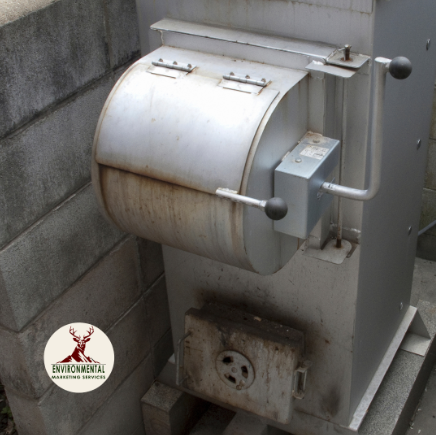
Professional services are also thorough in how they manage environmental concerns. Their disposal methods are geared toward reducing long-term environmental harm by using processes that go beyond basic waste removal. These may include advanced recycling, neutralization, or incineration techniques that are authorized and controlled.
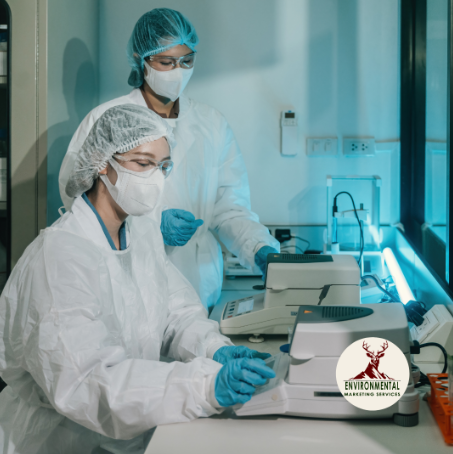
Another important factor is safety. Chemical waste can present significant physical hazards. Trained disposal specialists have the equipment, protocols, and experience to manage these risks effectively. Laboratories benefit by reducing the chance of workplace injuries or exposure incidents.
Leaving the disposal process in the hands of professionals allows lab staff to focus on research, teaching, or development work. It also reassures oversight bodies and accrediting institutions that the lab operates responsibly and in compliance with guidelines.
How Environmental Marketing Services Can Assist
At Environmental Marketing Services, we bring a structured and informed approach to lab chemical waste management. Each lab has unique needs, and we build disposal solutions that fit specific inventory types, facility layouts, and compliance requirements.
Our team evaluates your current waste streams and disposal practices to identify areas of improvement and provide customized recommendations. From initial waste categorization to final documentation, we aim to deliver a seamless experience supported by prompt service and clear communication.
We also offer guidance to your team regarding labeling, storage, and waste handling routines. Our goal is to integrate safe disposal into your daily laboratory operations without disrupting your workflow. By offering dependable services and clear training resources, we give lab managers and staff the tools they need to work with confidence.
Compliance is a central part of everything we provide. Our services help labs meet regulations from agencies such as the EPA and OSHA, reducing the administrative burden on your facility. We stay up to date with evolving waste regulations so your lab can continue to operate safely and legally.
Maintaining a Safe and Responsible Lab Environment
Good chemical waste practices do more than prevent environmental damage. They also shape how people work and think about safety. By choosing to adopt a structured disposal strategy and bringing in trained professionals, your lab sends a message about values—responsibility, quality, and care for your teams and surroundings.
The impact goes beyond the lab door. Safer waste handling supports healthier communities and a cleaner environment. And internally, these steps help foster a culture of diligence and respect that benefits every research and teaching activity inside the lab.
Responsibly managing chemical waste is not simply a checklist item. It is a daily practice rooted in awareness, training, and the right partnerships. With these tools in place, your lab can continue to grow, innovate, and lead—while keeping people and the planet a priority.
Laboratories looking for dependable methods to manage their chemical waste can rely on the expertise of Environmental Marketing Services. Our comprehensive approach to hazardous waste services ensures compliance with all necessary regulations and promotes a safer workplace. Trust us to handle the complexities of waste management so you can focus on innovation and research in your lab.