Protecting People and the Planet with Safe Chemical Waste
Safe chemical waste management is not optional for industrial, laboratory, healthcare, and commercial facilities; it is a core responsibility. When chemical waste is mishandled, the consequences land on employees who are exposed, neighbors who breathe contaminated air, and communities that rely on clean soil and groundwater. Fires, toxic vapors, and spills rarely stay within four walls for long.
Chemical waste covers a wide range of materials, from corrosive acids and flammable solvents to expired lab reagents, cleaning chemicals, universal wastes like lamps and batteries, and certain non-hazardous byproducts from production processes. Whether you generate a few containers a month or have continuous waste streams from manufacturing, those materials must be collected, stored, transported, and treated correctly.
As a company focused on transportation and disposal of hazardous, non-hazardous, chemical, and universal waste, we see every day how professional chemical waste disposal services help protect people and the environment while keeping operations compliant. In this guide, we will share practical steps for identifying waste types, understanding regulations, handling and packaging safely, choosing a qualified partner, and building a waste program that stands up to inspections and supports your environmental goals.
Understanding Chemical Waste Types and Risks
Not all chemical waste is the same, and treating it as if it were can lead to dangerous situations. Common types of chemical waste include:
- Corrosive waste, such as strong acids and bases that can burn skin and damage containers
- Flammable liquids and solids, including many solvents, fuels, and alcohols
- Reactive waste, which can explode, generate gas, or react violently when mixed
- Toxic waste, such as heavy metal solutions or certain spent process chemicals
- Universal waste, like fluorescent lamps, certain batteries, and some electronics
- Non-hazardous chemical streams, including neutralized solutions or low-toxicity byproducts
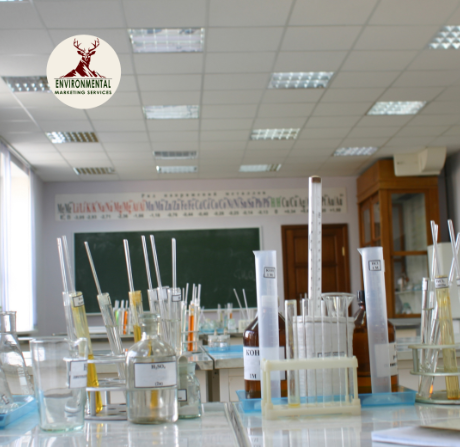
These wastes show up in many settings. Manufacturing lines generate spent solvents, process chemicals, and off-spec product. Research labs accumulate a variety of reagents, standards, and small containers of mixed waste. Hospitals and clinics produce pharmaceutical waste, disinfectants, and lab chemicals. Maintenance shops and commercial buildings deal with paints, aerosols, oils, and universal waste from lighting and equipment.
When waste is stored improperly, mixed without understanding incompatibilities, or discarded outside approved systems, the risks rise quickly. Flammable vapors can ignite, reactive materials can overheat or rupture containers, and liquids can migrate into drains or soil. Beyond immediate safety concerns, illegal or careless disposal can lead to groundwater contamination, facility damage, and regulatory penalties.
Regulators distinguish between hazardous and non-hazardous waste based on characteristics and listings. Hazardous waste is subject to stricter rules, but that does not mean non-hazardous waste is harmless. Large volumes of non-hazardous chemicals can still create odors, corrosion, and environmental issues if they are not stored and disposed of thoughtfully.
Navigating Regulations and Generator Responsibilities
Chemical waste management is guided by several layers of regulation. At the federal level, the Environmental Protection Agency regulates hazardous waste under RCRA. The Department of Transportation sets requirements for shipping hazardous materials, including classification, packaging, and marking. OSHA rules define how workers must be protected when handling chemicals and waste. On top of that, state environmental agencies often have their own additional requirements.
Your responsibilities depend in part on how much hazardous waste you generate in a given period. Facilities generally fall into very small, small, or large quantity generator categories. Each category comes with different storage time limits, accumulation thresholds, and recordkeeping expectations, and it often affects how frequently inspectors visit.
Across all categories, generators share core obligations:
- Correctly identify and characterize each waste stream
- Label containers properly and follow satellite accumulation rules
- Keep accurate manifests and shipping papers for off-site transport
- Use permitted transporters and treatment or disposal facilities
The details can be intricate, especially when a facility has many waste streams or operates in multiple states. Professional chemical waste disposal services can help interpret the rules, classify wastes correctly, and keep documentation organized so your team is prepared when regulators arrive or internal audits are conducted.
Safe Handling, Storage, and Packaging Essentials
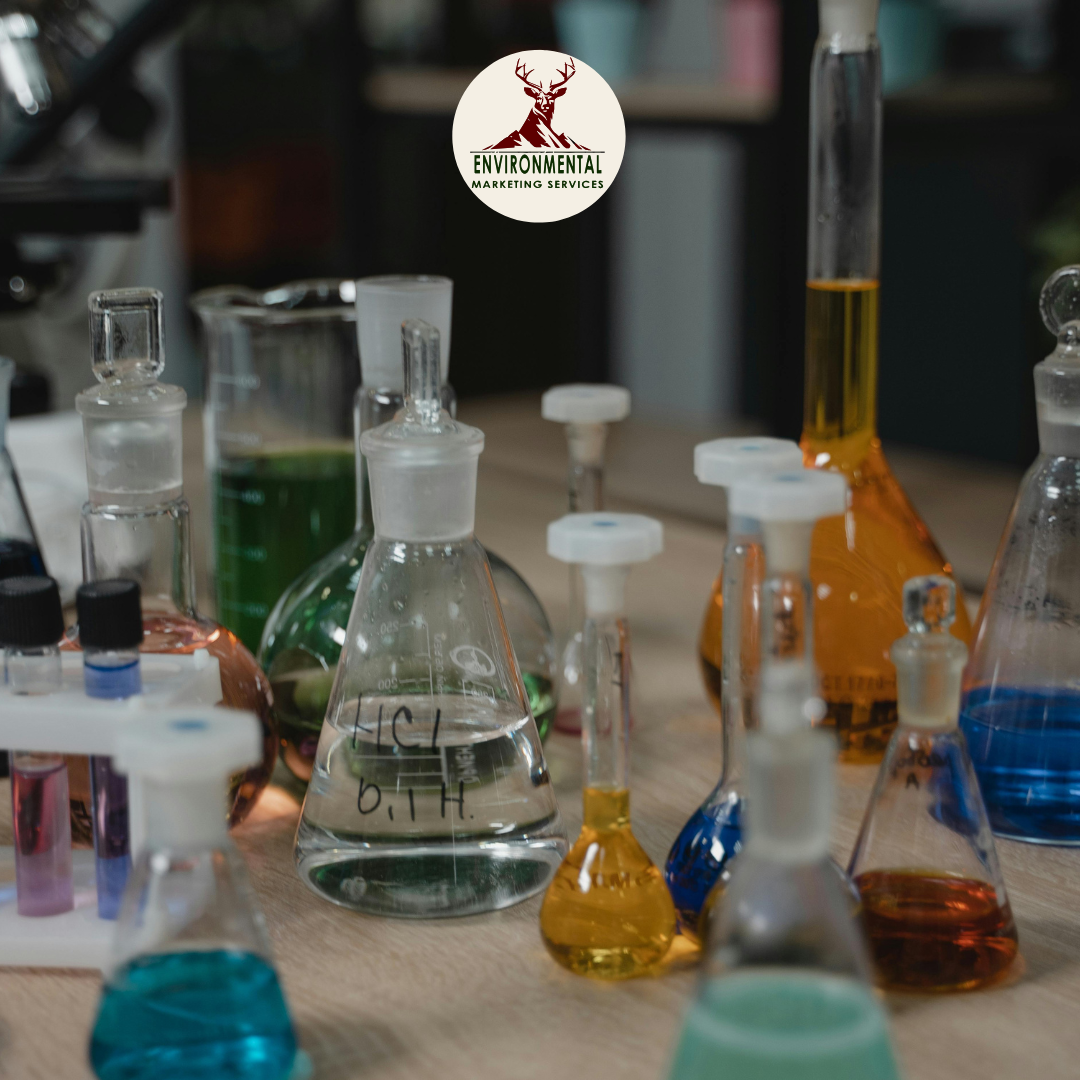
Even with a strong disposal partner, safety starts where the waste is generated. Clear labeling is one of the simplest and most effective protections. Every container should have, at a minimum, the contents, main hazard class if applicable, and the accumulation start date. Handwritten labels are fine if they are legible and consistent. Unknowns create cost and risk, so it pays to label from the moment waste enters a container.
Keeping incompatible chemicals separated is just as important. Acids should not share secondary containment with bases, oxidizers should not sit with organics or solvents, and gas cylinders require stable, upright storage. Simple strategies, like grouping by hazard class and posting a compatibility chart, can prevent dangerous reactions.
A well-designed storage area usually includes:
- Secondary containment for liquids, such as spill pallets or curbed floors
- Adequate ventilation for flammable and volatile materials
- Clear emergency access and unobstructed exits
- Spill kits, absorbents, and neutralizers appropriate to your waste
- Locked doors or controlled access to prevent tampering
When it is time to ship waste off-site, proper packaging becomes critical. Depending on the material, this may mean using rated drums, overpacks, or lab packs that combine many small containers into one approved outer container. Caps should be secured and checked for leaks. Absorbent material may be needed to prevent free liquids inside a package, and DOT rules define how containers are marked and labeled for transport.
All of this works only if employees know what to do. Anyone who handles chemical waste should receive training that covers hazard recognition, labeling, storage rules, personal protective equipment, and what to do if a spill or exposure occurs. Regular refreshers help keep good habits in place and catch any drift from procedures.
Choosing the Right Chemical Waste Disposal Partner
Selecting chemical waste disposal services is not just about finding someone with a truck. It is about trusting a company with your regulatory risk and environmental responsibilities. At a minimum, your partner should have appropriate licenses and permits for the waste types and states involved, carry suitable insurance, and maintain a strong safety culture among field personnel.
There is real value in an end-to-end service model. When one provider can profile and characterize your waste, arrange compliant transportation, manage treatment or disposal, and provide complete documentation, it reduces errors and handoffs. That kind of continuity also makes it easier to standardize procedures, especially for multi-site operations.
As a nationwide transporter and disposal provider based in Seneca, South Carolina, we know how important consistency is for companies that operate in several regions. Each location may face slightly different state rules, but corporate leaders still want a common standard for safety, labeling, and recordkeeping across the organization.
Transparency should be non-negotiable. You should be able to see how your waste is classified, where it goes, how it is treated or disposed of, and receive proof that final disposal occurred at appropriate facilities. Clear pricing and open communication about options help you balance compliance, safety, and budget without surprises.
Building a Compliant, Sustainable Waste Management Program
Compliance is stronger when it is built into daily routines instead of handled as a one-off task during pickups. A written waste management plan that outlines procedures, roles, and escalation paths gives employees a reference point. Regular walk-throughs and inspections help catch issues like unlabeled containers, full drums that need to be moved, or expired accumulation times before they become violations.
Beyond compliance, many organizations are exploring how to reduce the volume and hazard of the waste they generate. Waste minimization can start with purchasing only what is needed, substituting less hazardous chemicals when possible, and adjusting processes to create fewer off-spec materials. In some cases, recycling or recovery may be an option for certain streams, provided it is done through appropriate channels.
Collaboration with your chemical waste disposal services provider supports these efforts. By reviewing your waste profiles and shipment history together, you can spot patterns, identify opportunities to consolidate streams, and explore treatment options that better align with your environmental goals. Over time, this kind of partnership can help lower overall waste volumes and improve safety.
Data is your ally. Tracking waste quantities, incident reports, and recycling or recovery rates provides a concrete picture of performance. Those metrics can support internal reporting, demonstrate compliance during audits, and help communicate your environmental stewardship to leadership, employees, and other stakeholders.
Get Started With Safe, Compliant Waste Management Today
If you are ready to handle hazardous materials more safely and stay compliant, our team at Environmental Marketing Services is here to help. Explore our specialized chemical waste disposal services to find solutions tailored to your facility and waste streams. We will work with you to create a disposal plan that minimizes risk, protects your team, and meets regulatory requirements. Have questions or need a quote fast? Just contact us and we will respond promptly.