Make Lab Waste Safer Before It Becomes a Liability
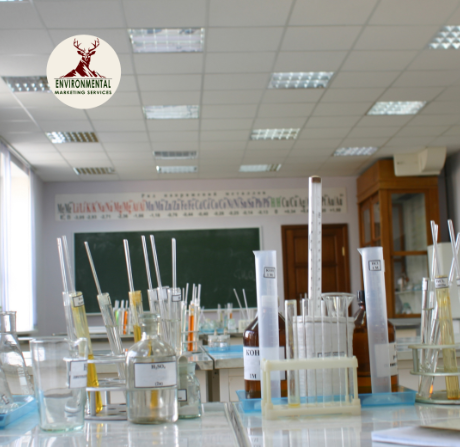
A well-planned lab pack disposal program helps you clear out unwanted chemicals before they become a safety concern. Small containers can pile up in labs, storage rooms, classrooms, healthcare facilities, manufacturing sites, and research spaces, especially when materials are outdated, damaged, or no longer needed.
At Environmental Marketing Services, we know that leaving these items on shelves for too long can create avoidable problems. Unlabeled containers, expired reagents, and aging chemicals may interrupt daily work, complicate inventory reviews, and increase the chance of improper handling. Early fall is a practical time to review storage areas before year-end inventories, holiday staffing changes, and colder weather affect transportation plans.
Lab pack disposal is not simply throwing away old bottles. We recommend a careful process that identifies materials, separates incompatible chemicals, prepares containers for transportation, and follows the proper disposal path. With the right planning, you can protect your people, your facility, and the environment.
Know What Belongs in a Lab Pack
Lab pack disposal is a managed process for collecting, packaging, transporting, and disposing of small containers of laboratory chemicals and related materials. These materials may be hazardous, non-hazardous, universal waste, or items that need further evaluation before a disposal decision can be made.
Common lab pack materials may include:
- Expired reagents, standards, and laboratory chemicals
- Solvents, acids, bases, and oxidizers
- Pesticides, aerosols, and cleaning products
- Damaged or unwanted chemical products
- Mercury-containing devices and other universal waste
Before anything is packed, we recommend reviewing each container individually. Labels, safety data sheets, purchase records, and input from lab staff can help identify the product and its hazards. Information such as the chemical name, concentration, container size, and physical state gives waste professionals a clearer picture of how the material should be handled.
Guessing is never a safe plan. Unknown, unlabeled, leaking, or deteriorating containers should not be mixed casually with other waste. Some materials may need to stay separate, receive special packaging, or be evaluated before transportation. A qualified waste management provider can help determine the appropriate handling path while supporting applicable federal, state, and local requirements.
Build a Clear Waste Inventory
A detailed inventory is the foundation of a safe lab pack project. Before a pickup is arranged, we encourage you to list every item intended for removal. This record helps determine packaging needs, shipping classifications, disposal options, and the documentation that may be needed for the shipment.
Your inventory should include as much information as possible, such as:
- Chemical or product name and manufacturer
- Concentration, physical state, and known hazard information
- Container size and number of containers
- Container condition, including damage, rust, leaks, or missing labels
- Storage location and photos when further review may be needed
Photos can be especially useful when labels are faded or containers have been stored for a long time. They can help a waste professional review what is present before arriving onsite, which supports safer planning for packing and transportation.
It also helps to separate active inventory from waste inventory. Chemicals that are still safe, usable, and approved for ongoing work may remain in service or be managed through your organization’s established reuse process. Materials that are expired, unstable, unwanted, damaged, or no longer needed should be clearly marked for disposal. This step can reduce clutter and make the final removal more organized.
Prepare Materials for Safe Transportation
Safe packaging depends on chemical compatibility, container condition, and transportation requirements. Whenever possible, materials should remain in their original containers if those containers are intact, closed, and suitable for transport. We do not recommend transferring chemicals from one container to another unless trained professionals direct the process.
Segregation matters because some chemicals can react dangerously when placed together. Acids and bases, oxidizers and organic materials, reactive chemicals, and water-reactive substances may all need to remain apart. Proper lab pack disposal uses compatible inner containers, absorbent material, cushioning, and suitable outer drums or boxes to help prevent spills and reactions during handling.
Final packaging and shipping preparation should be handled by trained personnel. Waste professionals can prepare required labels, markings, shipping papers, and manifests while considering U.S. Department of Transportation requirements. This level of care is particularly important for flammable, corrosive, toxic, reactive, and otherwise regulated materials.
Choose a Provider That Understands Lab Waste
General trash service, ordinary recycling, and standard freight options are not designed for laboratory chemical waste. We recommend working with a provider that understands the special handling needs of chemical containers, transportation rules, disposal facility requirements, and the records that support your environmental compliance files.
Before arranging service, ask whether the provider can support materials such as unknown chemicals, damaged containers, aerosols, universal waste, and mercury-containing devices. It is also smart to confirm what documentation will be available after pickup. Depending on the materials and shipment, records may include manifests, bills of lading, certificates, or other disposal paperwork.
For organizations with more than one facility, consistent coordination can make a major difference. Environmental Marketing Services provides transportation and disposal solutions for hazardous, non-hazardous, and universal waste. We can help coordinate a more consistent approach when your lab waste needs extend across multiple locations.
Plan Your Fall Lab Cleanup with Confidence
Fall is a good reminder to inspect laboratory shelves, cabinets, and storage rooms before old materials stay in place for another year. A planned cleanup can help you remove outdated chemicals, create more workable storage space, and prepare for year-end compliance activities without a rushed last-minute response.
Start by gathering your waste inventory, noting any unknown or damaged containers, and keeping incompatible materials separated. With accurate information and professional handling, lab pack disposal can become a clear, manageable part of maintaining a safer workplace.
Get Reliable Support for Safer Waste Handling
Environmental Marketing Services can help you coordinate lab pack disposal with documentation and handling tailored to your facility’s needs. Our team works with you to identify waste streams and move materials through a compliant disposal process. For guidance on your next waste management project, contact us today.