Why Safe Lab Pack Disposal Protects Your People and Facility
Safe laboratory chemical disposal is one of those responsibilities that you only notice when something goes wrong. Lab packs sit quietly in storage rooms, satellite accumulation areas, and closets, but if they are not prepared and managed correctly, they can put people, property, and the environment at risk. A clear approach to lab pack disposal keeps your team safe, protects your facility, and supports your overall safety culture.
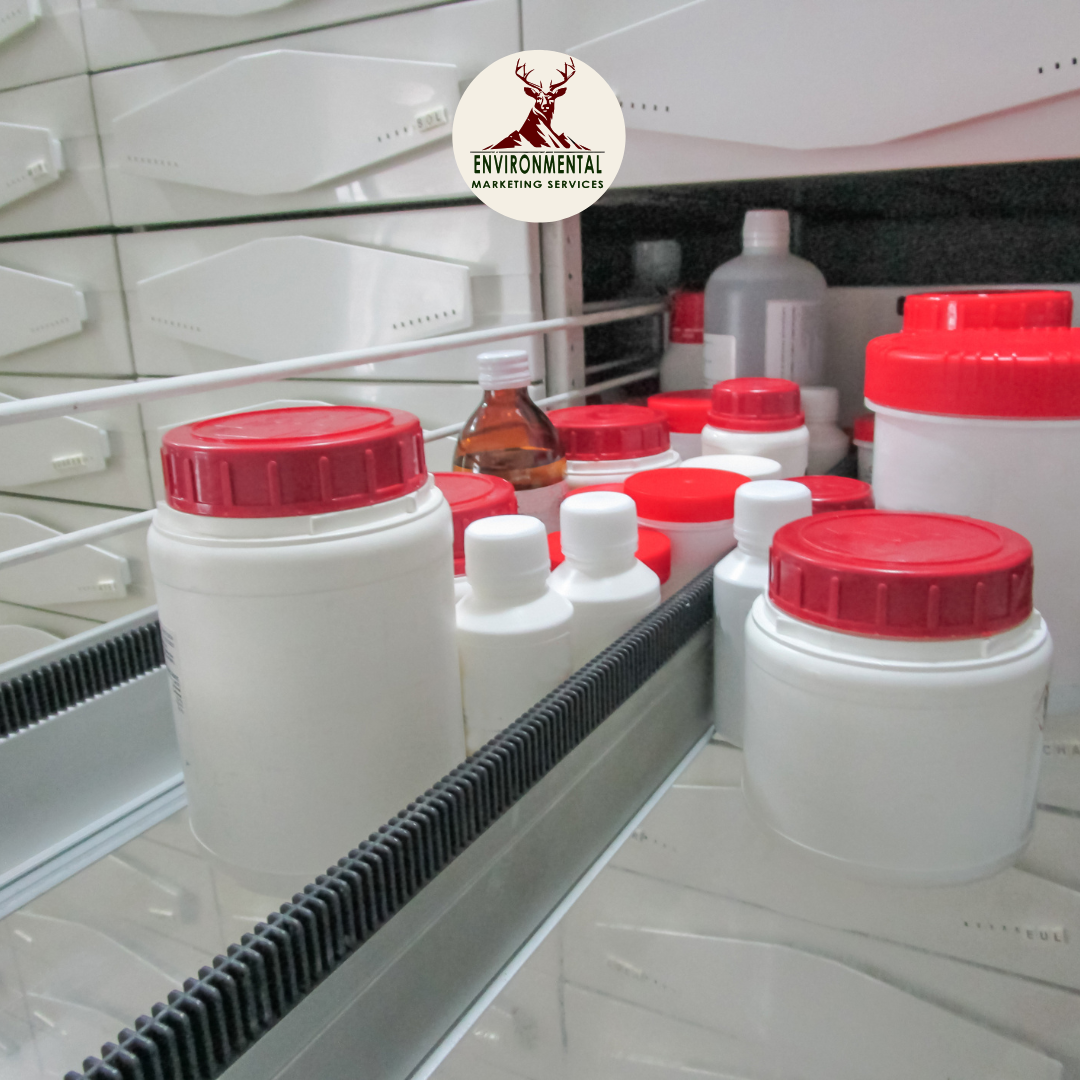
Lab packs are overpacked containers that hold small, assorted laboratory chemicals, carefully sorted and packaged for transportation and final disposal. When these mixtures are handled poorly, the risks add up quickly: unexpected chemical reactions, fires, toxic vapors, spills, and even injuries during cleanups or transport. There is also the regulatory side, where mismanaged laboratory chemical disposal can expose your organization to inspections, penalties, and reputational damage. At Environmental Marketing Services, LLC in Seneca, South Carolina, we work with industrial, laboratory, healthcare, and commercial generators across the country to manage hazardous, non-hazardous, and universal waste safely and efficiently.
Understanding Lab Packs and Common Laboratory Waste Streams
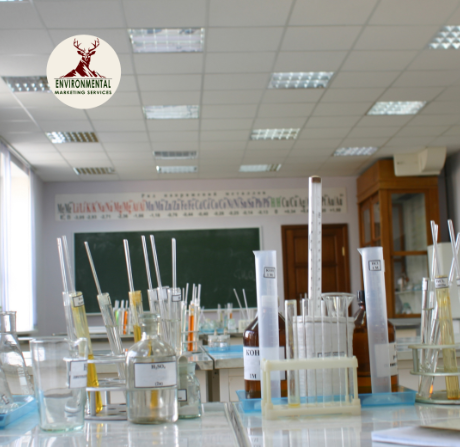
A lab pack starts with a simple idea: collect many small containers of chemicals into a larger, compatible overpack so they can be shipped and treated safely. In practice, it often involves decades of accumulated containers, partial bottles, orphan samples, and legacy materials. These can come from industrial R&D labs, quality control labs, school and university teaching spaces, healthcare and hospital labs, and commercial testing facilities.
Within those spaces, the same patterns appear again and again. Typical lab pack contents include:
- Acids and bases, from mineral acids to caustic cleaners
- Solvents and flammables, including alcohols, ketones, and lab-grade organics
- Oxidizers, peroxides, and nitrates that can intensify fires
- Reactive materials that may be water-reactive, air-sensitive, or shock-sensitive
- Poisons, toxic compounds, and some pesticides or specialty reagents
- Compressed gas cylinders and lecture bottles
- Universal wastes such as fluorescent lamps, batteries, and certain electronics
- Non-hazardous chemicals that still require controlled disposal
Correct waste characterization is the foundation of compliant laboratory chemical disposal. When each chemical is properly identified, we can select the right packaging, make sure incompatibles do not share the same container, choose appropriate transport methods, and direct the waste to the right treatment or recycling facility. The most challenging materials tend to be outdated, unknown, or unlabeled chemicals. These often require field screening, conservative assumptions, and experienced hazardous waste professionals who can handle them safely.
Regulatory Requirements That Govern Lab Pack Disposal
Lab pack disposal sits at the intersection of several regulatory systems, so it is important to understand how they overlap. Resource Conservation and Recovery Act (RCRA) rules govern hazardous waste identification, generator categories, accumulation practices, and disposal standards. Department of Transportation (DOT) regulations cover how hazardous materials are classified, packaged, marked, labeled, and transported on public roads. Occupational Safety and Health Administration (OSHA) standards address worker protection, including hazard communication, personal protective equipment, and safe handling procedures.
For laboratories, generator responsibilities often include identifying which wastes are hazardous, adhering to accumulation time limits for satellite and central storage areas, managing containers in good condition with closed lids, and keeping records such as manifests for off-site hazardous waste shipments. Laboratory chemical disposal rules pay special attention to:
- Compatible packaging and liners for acids, bases, and organics
- Segregation of oxidizers, flammables, corrosives, and reactives
- Proper hazard communication on labels, from chemical names to hazard classes
- Accurate information on shipping papers and manifests for transporters and facilities
Noncompliance is not just a paperwork issue. Poor labeling or incompatible packaging can contribute to real incidents, such as reactions in overpack drums, spills during transport, or exposures during loading and unloading. The result can be enforcement actions, fines, and longer-term damage to your organization’s environmental, health, and safety reputation.
Step-by-Step Process for Safe Lab Pack Preparation
A safe lab pack project starts long before anyone opens a drum. First comes an assessment and inventory. This typically includes walkthroughs of all relevant spaces, from main labs to prep rooms and storage closets, to identify stored chemicals and accumulated waste. During this stage, we compile a detailed list of chemicals, container sizes, and conditions for each area.
Once the inventory is set, segregation and packing come next. Safe practices include grouping chemicals by hazard class, separating known incompatibles, and placing them in compatible inner containers and overpack drums. Absorbent and cushioning materials help control any leaks and prevent glass from breaking during transport, while vented lids or special packaging can be used for certain materials if needed.
Good labeling and documentation are critical. For each lab pack, contents are listed clearly, hazard classes are identified, and waste profiles are developed to speed up approval at disposal or recycling facilities. Accurate paperwork simplifies laboratory chemical disposal, reduces questions later, and helps create a clear record for your compliance files.
At every step, trained environmental technicians make the process safer and smoother. They arrive with appropriate personal protective equipment, monitoring instruments for air quality where needed, and spill control tools in case anything unexpected occurs. That preparation lets your lab staff focus on their work while specialists manage the higher risk activities involved with packing and moving chemical waste.
Choosing a Qualified Lab Pack Disposal Partner
Because lab pack projects bring together regulations, technical chemistry, and practical safety, choosing the right service provider is important. When you evaluate partners, it helps to look for hazardous waste permits that match the work being done, appropriate insurance, and a level of technician training that fits the complexity of your site. Past experience in industrial, healthcare, academic, and commercial lab environments can make a real difference in efficiency and safety.
A full-service partner, such as Environmental Marketing Services, coordinates on-site packing, transportation, disposal, and recycling options nationwide. That integrated approach helps limit disruptions to lab schedules, since the packing team, transporters, and receiving facilities are aligned in advance. A single point of contact can manage scheduling, manifests, and other regulatory documents, as well as share best practices for day-to-day laboratory chemical disposal.
More labs are also asking how to handle waste in a way that supports sustainability goals. Options such as fuels blending for certain organics, solvent recovery where applicable, and recycling for universal wastes like lamps and batteries can reduce the amount of material headed to final disposal. When those choices are built into your waste strategy, they support environmental, social, and governance objectives while still meeting all compliance requirements.
Building a Proactive, Long-Term Lab Waste Management Plan
The safest lab pack disposal program is the one that prevents oversized, chaotic cleanouts. Routine lab cleanouts and periodic chemical inventory reviews help keep storage areas under control, so expired, unlabeled, or unnecessary chemicals do not accumulate. Tying inventory reviews to academic terms, production cycles, or maintenance schedules can keep the workload manageable.
Practical steps go a long way:
- Standardize how bottles and containers are labeled, including date received and opened
- Implement purchasing controls so labs order realistic quantities instead of large surpluses
- Train staff on basic waste segregation and satellite accumulation rules
- Assign clear responsibility for periodic storage area checks
Working with Environmental Marketing Services to create a recurring lab pack program and scheduled pickups can keep laboratory chemical disposal predictable and compliant. Instead of reacting to problems, your facility maintains a steady rhythm of waste removal, which usually reduces risk and helps control long-term costs.
When lab waste planning is tied into your broader safety and environmental management systems, it supports emergency response and spill preparedness too. Knowing what is stored where, and in what quantities, helps internal responders and outside agencies make better decisions if an incident does occur.
Turn Lab Pack Compliance Into a Safety and Sustainability Win
Handled correctly, lab pack disposal is more than a regulatory checkbox. It is an opportunity to protect employees, visitors, and first responders, reduce environmental impact, and strengthen your organization’s safety and compliance culture. Thoughtful laboratory chemical disposal also supports cleaner workspaces and better use of valuable storage areas.
Many facilities find that a simple first step is to walk through their lab storage areas with fresh eyes, looking for old, unknown, or poorly labeled containers that might need professional attention. From there, building a structured lab pack program makes it easier to keep up with waste, maintain compliance, and align chemical management with your organization’s long-term goals.
Protect Your Lab With Safe, Compliant Chemical Disposal
If you are ready to handle hazardous materials more safely and efficiently, our team at Environmental Marketing Services is here to help. Explore our specialized laboratory chemical disposal solutions to reduce risk, protect your staff, and stay in compliance with regulations. We will work with you to design a disposal plan tailored to your inventory, facility, and schedule. Have questions about next steps or need a quote fast? Just contact us to get started.