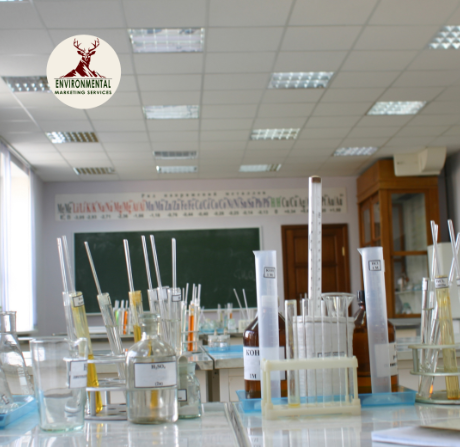
Laboratory cleanouts can uncover a difficult mix of expired chemicals, contaminated supplies, aerosols, batteries, lamps, and containers with missing labels. A well-planned lab pack waste disposal program helps protect employees, reduce storage concerns, and keep each step documented from the lab to the final destination.
Environmental Marketing Services coordinates transportation and disposal solutions for hazardous, non-hazardous, and universal waste. Whether you manage a school lab, healthcare facility, manufacturing site, research space, or business location, early planning can make fall cleanouts, renovations, inventory reductions, and year-end preparation much easier.
Turn Lab Cleanouts Into Safer, Documented Outcomes
Lab waste takes more than placing containers into boxes and sending them away. Each item needs to be identified, reviewed for hazards, grouped with compatible materials, packaged correctly, and moved under applicable transportation and disposal requirements.
We recommend starting the planning process before storage cabinets become crowded or a deadline creates pressure. A thoughtful plan gives your team time to review materials, identify questionable containers, and arrange the right packaging approach. It also helps prevent avoidable delays when a pickup is needed.
A lab pack program is often a practical choice when you have many small chemical containers that cannot safely or reasonably be combined into bulk containers. Proper packing helps control risk while keeping the cleanup organized and traceable.
Identify Materials Before They Create Compliance Risk
Accurate identification is the foundation of a safer laboratory cleanup. An old bottle, partially used reagent, or container with an unclear label should never be assumed safe for regular trash. We encourage teams to inventory materials before any packing begins.
Your inventory should capture details such as:
- Chemical names and estimated quantities
- Container types, physical condition, and label status
- Known hazards and storage locations
- Available Safety Data Sheets, purchase records, or lab logs
- Items that are unknown, damaged, leaking, or deteriorated
Staff knowledge can also help fill in gaps, especially when a product is familiar but the label has faded. Still, unknown materials may need additional review, sampling, or specialized handling before they can be shipped.
Waste characterization matters because materials can be regulated for different reasons. A material may be ignitable, corrosive, reactive, toxic, or subject to other transportation and disposal rules. Separate review may be needed for RCRA hazardous waste, DOT hazardous materials, universal waste, and state-specific waste categories.
During the inventory stage, segregation is just as important as identification. Acids should stay away from bases, oxidizers should stay away from organic materials, and reactive chemicals should be separated from incompatible waste. We help our customers review waste streams so materials are managed in groups that make sense for their hazards.
Build Lab Packs That Protect People and Freight
Lab pack waste disposal is designed for many small containers of compatible chemicals. Instead of asking your team to combine chemicals into larger containers, lab packs allow identified inner containers to be cushioned and packed inside approved outer packaging.
Compatibility is never based only on container size or where an item was found. A small bottle of acid and a small bottle of solvent may sit in the same cabinet, but they may need entirely different packing methods. Chemical properties, hazard classes, packaging groups, and possible reactions all affect how materials should be grouped.
Packing commonly requires attention to categories such as:
- Acids and bases
- Flammables and oxidizers
- Toxic materials and water-reactive chemicals
- Aerosol products and compressed gas containers
- Batteries, lamps, and other universal waste items
Before packing, each inner container should be checked for leaks, corrosion, cracked glass, weak caps, or damaged labels. Absorbent material, cushioning, liners, and strong outer containers can help control a release during handling and transportation. Correct markings and labels also support safer movement from your laboratory to the disposal facility.
Some items do not fit a standard lab pack approach. Highly reactive, shock-sensitive, unknown, or badly deteriorated chemicals may require a separate assessment and specialized packaging. We recommend leaving questionable materials in place whenever possible until a qualified waste professional can review them.
Coordinate Transport, Manifests, and Approved Disposal
The job does not end when waste leaves your site. A complete program includes accurate shipping documents, qualified transportation, and delivery to an appropriately permitted treatment, storage, disposal, recycling, or recovery facility.
We coordinate waste profiles, pickup logistics, packaging plans, transportation, and disposal outlets based on the materials involved. For organizations with more than one location, consistent coordination can make it easier to manage cleanup schedules and records across sites.
Documentation needs vary by waste stream and generator status. Depending on the shipment, your records may include hazardous waste manifests, bills of lading, DOT shipping papers, waste profiles, certificates, and other supporting documents. Keeping these records organized helps demonstrate how waste was identified, shipped, and managed after pickup.
Federal rules provide a baseline, but states may have added requirements. Reviewing your own responsibilities and working with a knowledgeable waste partner can help reduce shipment delays and provide clearer visibility into where laboratory waste goes.
Plan Fall Cleanouts Before Year-End Deadlines
Late September is a practical time to plan a lab cleanup. Year-end budgets, holiday schedules, weather disruptions, annual reporting, and busy facility calendars can all make disposal planning harder later in the season.
A fall review should include aging chemicals, surplus products, unwanted samples, damaged containers, used batteries, lamps, aerosols, and other accumulated waste. We also suggest checking satellite accumulation areas, lab cabinets, maintenance rooms, and storage lockers where forgotten materials may be sitting.
Waiting for a renovation, inspection, leak, or shutdown can limit your options and put extra pressure on staff. Planning ahead gives everyone time to review the inventory, confirm packaging needs, and prepare transportation safely. During hurricane season and changing fall weather, reducing excess on-site chemical waste can also lessen the possible impact of damaged storage areas or interrupted operations.
Build a Practical Pickup Plan
Laboratory waste management works best as an ongoing safety and compliance practice, not a one-time cleanup task. Accurate inventories, compatible packaging, complete paperwork, and properly coordinated transportation all support a safer result.
Before your next cleanup, gather available records, identify aging or uncertain materials, keep incompatible waste separated, and avoid repacking damaged or unknown containers without professional guidance. A clear plan now can help your team enter the final quarter with cleaner storage areas, stronger records, and fewer disposal surprises.
Get Expert Support for Safer Waste Handling
Environmental Marketing Services can help you manage complex materials with reliable lab pack waste disposal solutions tailored to your facility’s needs. Our team works with you to support proper identification, packaging, transportation, and documentation. When you are ready to discuss your disposal needs, contact us for guidance.