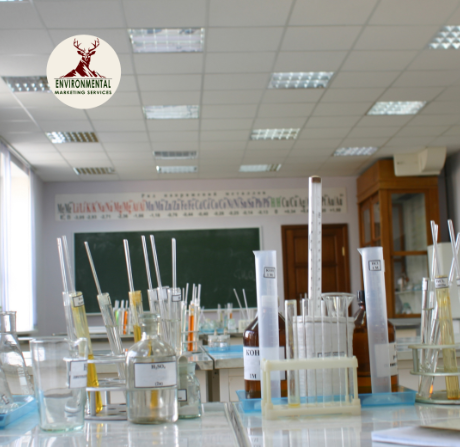
Handling laboratory waste efficiently is key to maintaining a safe and organized work environment. Lab pack disposal, a critical part of lab waste management, ensures chemicals and materials are dealt with responsibly. This process protects both the environment and the health and safety of everyone working in laboratory settings. Clear knowledge of lab pack disposal helps prevent mishandling and promotes proper chemical management.
Laboratories generate a wide variety of waste materials, including chemical solutions, outdated samples, and solid debris. These materials pose serious risks if not handled correctly. Lab pack disposal involves identifying, categorizing, packaging, and eliminating these materials using approved procedures. When done right, this helps maintain a clean, hazard-free workspace and allows researchers and lab technicians to work without unnecessary risks.
What is Lab Pack Disposal?
Lab pack disposal refers to a structured process used for managing hazardous laboratory waste. This method involves collecting small quantities of compatible and incompatible chemicals or waste products, usually from multiple sources, and placing them into clearly labeled containers, called lab packs. These packs are then transported for proper disposal following all safety and regulatory guidelines.
Lab pack disposal is most commonly used for expired, leaking, or unused laboratory chemicals. These can be solids, liquids, or gases, and storing them together can lead to problems if not sorted and labeled correctly. Items included in lab packs often range from flammable solvents and acids to oxidizers and compressed gases. Rules require these materials to be sorted based on reactivity and chemical connections to avoid reactions. Packing incompatible substances into the same container may result in dangerous outcomes such as fires or toxic emissions. That’s why it must be done with care by trained professionals.
Steps Involved in Lab Pack Disposal
Lab pack disposal includes several steps to safely remove hazardous waste from laboratories. Each step ensures both safety and regulatory compliance.
1. Identification and Categorization of Waste
Before anything is packaged, it is important to identify the type of waste. Staff must properly assess whether the waste is corrosive, flammable, toxic, or reactive. Accurate identification helps avoid storing incompatible substances together. Once the waste is classified, professionals can determine how it should be stored and transported.
2. Packaging and Labeling Requirements
The next step is placing the identified chemicals into suitable containers. These containers must be resistant to whatever type of chemical they are holding. Each container must be labeled clearly with the material’s name, hazard class, and handling instructions if necessary. Labels help everyone involved in the disposal process know exactly what risks they are dealing with at every step. Improper or unclear labeling can expose workers to avoidable injury or cause transportation delays.
3. Transportation and Disposal Procedures
After packaging and labeling are complete, the lab packs must be transported to a licensed disposal facility. Transportation firms must follow Department of Transportation (DOT) rules regarding hazardous waste and have certified technicians oversee the process. Once there, disposal typically involves processes like incineration or chemical treatment, depending on the waste type. Documentation must accompany every step—this guarantees transparency, follows legal requirements, and creates an accurate disposal record.
Each step must be completed accurately to protect lab workers and waste handlers. Even small oversights can create safety threats or bring legal consequences. That’s why having trained professionals overseeing the entire process adds safety and peace of mind.
Safety Measures and Regulations
When handling hazardous waste, safety rules protect people and the environment. Labs must follow rigorous rules from both state and federal levels. These laws ensure every step adheres to safe practices from waste generation through to final disposal. Agencies like the Environmental Protection Agency (EPA) and the Department of Transportation establish policies specific to hazardous waste packaging, labeling, and moving.
One major safety step is proper staff training. Personnel must understand identification, labeling, storage procedures, and how to handle emergencies. Safety starts with knowledge. Well-trained staff make smarter decisions that reduce risk. Emergency training also prepares staff for possible leaks, spills, or chemical reactions.
Using proper personal protective equipment (PPE) is another key part of staying safe. Workers must wear gear like gloves, goggles, chemical-resistant suits, and face shields. Wearing the right protective gear guards workers from direct contact with dangerous materials, lowering the chances of injury.
Labs should have solid emergency protocols in place that all employees know well. Plans for containing spills, alerting safety officers, and evacuating are important. These should be practiced regularly so staff can respond quickly without confusion. Combined with staff training and PPE, having solid safety procedures in place makes sure labs are protected when disposing of harmful waste.
Benefits of Professional Lab Pack Disposal Services
Bringing in professionals to handle lab pack disposal can bring big advantages. Disposal experts are knowledgeable in all compliance rules and best practices. That means your lab’s waste goes through approved channels and avoids fines or legal issues tied to improper disposal.
One of the main benefits is reducing the chance of dangerous exposure. Professionals use certified vehicles, tools, and materials designed specifically for transporting hazardous waste. This lowers the chance of leaks, spills, or harmful reactions during disposal. Keeping chemicals separated and using accurate labeling supports safer handling from start to finish.
Another benefit is smoother logistics for the lab itself. Labs already handle research, testing, and other responsibilities. When trained waste teams manage the disposal process, it removes the burden from internal staff. This allows labs to concentrate on core tasks, knowing their waste is being handled the right way.
Professional services usually create documentation for each pickup and disposal. This means labs have records for inspections, audits, or internal tracking. It helps support organizational compliance and simplifies future reporting needs.
By leveraging the expertise of trained waste handlers, labs reduce risks, improve safety, and maintain compliance through one streamlined process.
Protecting the Future Through Smart Waste Practices
Hazardous waste management is more than a requirement. It’s a responsibility. Partnering with trained professionals for lab pack disposal reduces safety risks and ensures laboratories meet health and environmental regulations. When safety measures, staff training, and disposal protocols are taken seriously, labs build trust and keep staff protected.
Lab pack disposal involves details that cannot be overlooked. From waste identification to final disposal, each step plays a part in risk prevention. Putting off proper disposal can have costly consequences, including safety issues, legal penalties, and environmental damage.
Looking long term, smart waste practices also show a commitment to sustainability. Proper disposal protects not only the person handling the chemicals, but the environment and community around the lab. Choosing professional solutions means waste will not be mishandled or cause harm after it leaves your facility.
Responsible lab waste handling means choosing safer outcomes for your people and the planet. Taking action today sets your lab up for more efficient and compliant operations moving forward.
To maintain a safe and compliant laboratory environment, consider exploring our comprehensive hazardous waste services. At Environmental Marketing Services, we provide expert guidance to help you effectively manage and dispose of your lab waste with peace of mind. Our services prioritize safety, compliance, and environmental stewardship, ensuring your laboratory operates smoothly and responsibly. Empower your lab with professional waste management solutions today.