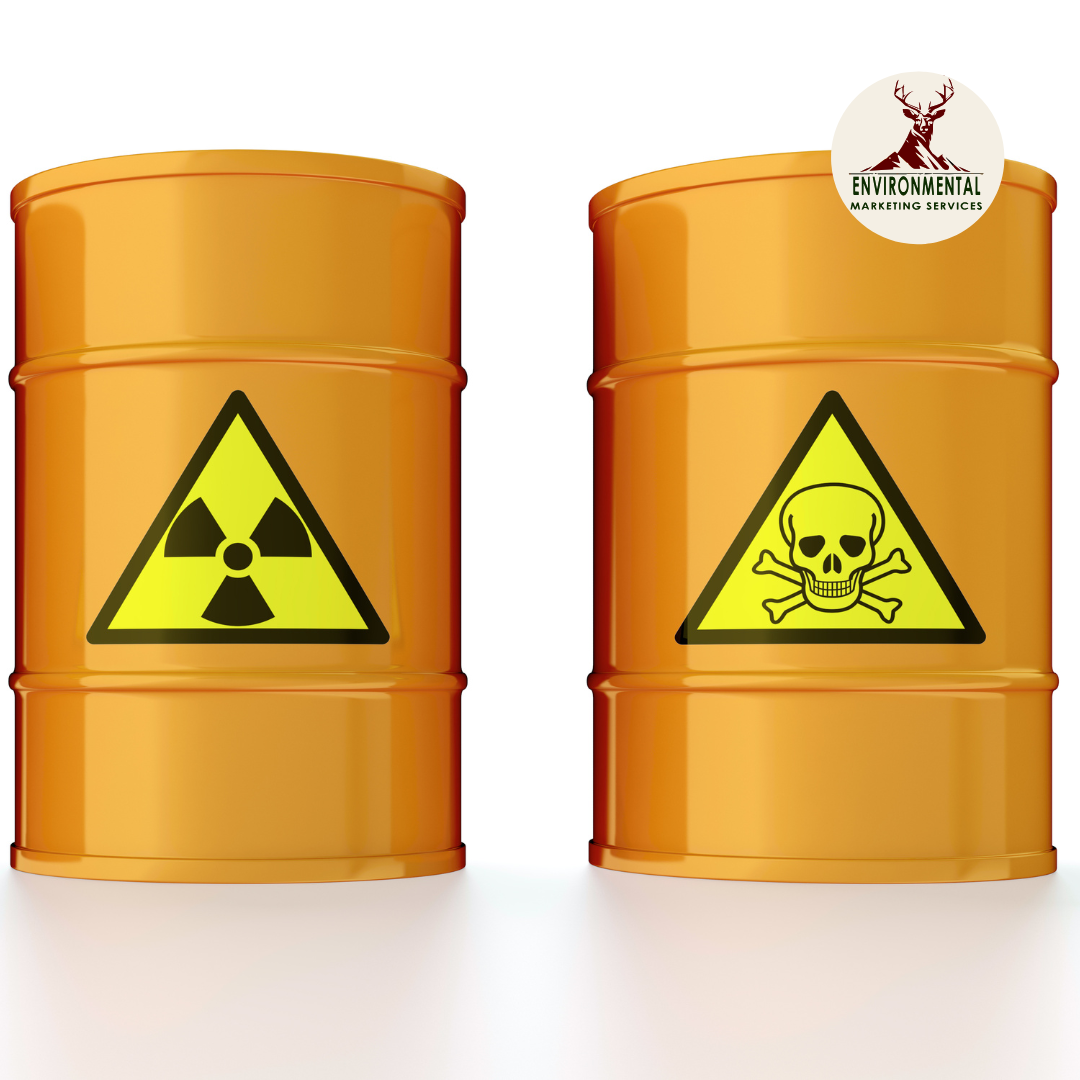
Protecting People and the Environment From Toxic Waste
Toxic waste is any waste that can harm people, property, or the environment when it is not managed correctly. At Environmental Marketing Services, LLC, we see it in many forms: solids, liquids, sludges, and gases that are hazardous, non-hazardous, or universal wastes. These materials can come from industrial processes, research labs, healthcare facilities, and commercial businesses of all kinds.
Proper toxic waste disposal is about more than just staying on the right side of the law. It protects employee safety, keeps surrounding communities healthy, and reduces the risk of long-term environmental damage to soil, air, and water. It also protects your brand, because one incident or citation can quickly damage years of hard work building trust.
Across the United States, generators must follow rules from agencies such as the Environmental Protection Agency (EPA), Department of Transportation (DOT), and Occupational Safety and Health Administration (OSHA), along with state and local regulators. Non-compliance can lead to fines, shutdowns, loss of permits, and in extreme cases, criminal liability. Having a structured, well-documented program for toxic waste disposal is your best protection.
Understanding What Counts as Toxic Waste at Your Facility
Every facility generates waste differently, but many waste streams show up again and again. In industrial settings, toxic waste often includes spent solvents, oils, acids, and caustics, metal-bearing sludges, paint and coatings, and off-spec products. Laboratories may generate reactive chemicals, contaminated glassware, samples and reagents, flammable liquids, gas cylinders, and small quantities of highly hazardous materials.
Healthcare facilities deal with pharmaceuticals, chemotherapy waste, sharps and contaminated items, disinfectants, and cleaners. Commercial operations such as warehouses, retail stores, and offices still produce toxic waste, often in the form of batteries, fluorescent lamps, pesticides, aerosol cans, and electronic waste.
Under federal regulations, hazardous waste is generally classified in two ways. Characteristic hazardous wastes are those that are ignitable, corrosive, reactive, or toxic based on specific test methods. Listed hazardous wastes appear on EPA lists because of their known risks or how they are generated. Universal waste categories, like certain batteries, lamps, and some pesticides, follow streamlined rules but still require proper handling. Many non-hazardous wastes are still regulated and may need special disposal to protect the environment.
To correctly identify your waste, you can start with simple, practical tools:
- Review Safety Data Sheets for chemicals and products
- Use generator knowledge about how each waste is created
- Conduct laboratory analysis when the classification is uncertain
- Work with a qualified waste management partner to profile and code each waste stream
Having accurate profiles is the foundation of safe and compliant toxic waste disposal.
Safe Handling Practices to Reduce Risk
Safe handling begins with appropriate storage. Wastes should be placed in compatible containers that will not react with their contents, kept closed when not in use, inspected regularly, and protected from weather and damage. Secondary containment, like spill pallets or berms, helps prevent leaks from spreading. Clear labels that match regulatory requirements are essential so employees and transporters always know what they are handling.
Protecting employees means giving them the right tools and training for the job. That often includes gloves, eye and face protection, chemical-resistant clothing, and respiratory protection when needed. Simple habits such as not overfilling containers, using pumps or funnels for transfers, and cleaning small spills promptly go a long way in reducing risk. Accumulation areas should be orderly, with good lighting and clear access to emergency equipment.
Training is not a one-time event. Employees who handle or manage hazardous waste must receive formal instruction on proper procedures, emergency response, and regulatory requirements at initial assignment and at required intervals after that. Beyond the minimum rules, we encourage building a culture where employees speak up if they see unsafe practices and feel responsible for keeping the facility safe.
Compliant Toxic Waste Disposal and Transportation
Under hazardous waste regulations, generators are responsible for their waste from cradle to grave. That means you are responsible not just while the waste is onsite, but also through transportation and final treatment or disposal. Key responsibilities include staying within accumulation time limits, maintaining accurate labels, using the proper shipping names and codes, completing manifests, and keeping records for inspections.
Professional transport and disposal involve multiple checkpoints. Before a shipment leaves your site, wastes are packaged in approved containers, labeled with the correct hazard classes and markings, and documented on DOT-compliant shipping papers and hazardous waste manifests. Licensed transporters then move the waste to permitted facilities, where it is received, documented, and treated or disposed of. Tracking and recordkeeping help confirm that each container reaches its intended destination.
There are several treatment and disposal options, depending on the waste:
- Recycling, such as reclaiming solvents or metals
- Fuel blending for energy recovery
- Neutralization or chemical treatment to reduce hazards
- High-temperature incineration for destruction of certain wastes
- Secure landfill for stabilized or non-recyclable materials
We help generators evaluate these options so they can select solutions that are both compliant and aligned with sustainability and cost goals.
Building a Nationwide Waste Management Strategy
If your business operates multiple sites in different states, toxic waste disposal becomes more challenging. Regulations can vary in how wastes are classified, how long they can be stored, and which paperwork is required. Infrastructure also varies, so what is available in one region may not exist in another. Internal coordination can be difficult when each site is trying to solve problems on its own.
Working with a nationwide waste management provider offers practical advantages. You can standardize procedures, consolidate vendors, and get consistent compliance support across your locations. A single point of contact helps simplify scheduling, billing, and reporting. It can also create efficiencies in transportation and disposal planning that single-site programs often cannot achieve.
From our base in Seneca, South Carolina, Environmental Marketing Services, LLC provides transportation, disposal, and recycling services for hazardous, non-hazardous, and universal wastes across 47 states. That footprint allows us to support industrial, laboratory, healthcare, and other commercial generators with programs that are tailored to local requirements while still fitting into a unified company-wide approach.
Emergency Response, Risk Reduction, and Compliance Advantage
Even with good planning, spills and incidents can occur. Every facility that handles toxic waste should have written response plans that define roles, procedures, and communication steps. Spill kits, absorbents, overpack drums, and emergency showers should be located where they are easy to reach. Evacuation routes and assembly points must be clearly marked so employees know how to respond if an incident escalates.
Coordination with local authorities and regulators is part of responsible toxic waste management. Facilities should know which incidents trigger reporting, what information must be documented, and who must be notified. After any incident or near miss, it is smart to review what happened, update procedures, and improve training to reduce the chance of a repeat event.
Risk reduction is an ongoing process, not a one-time project. Periodic internal audits, container and area inspections, and reviews of training records can reveal gaps. Many facilities benefit from using data on spills, inspection findings, and regulatory changes to refine their programs.
When toxic waste disposal is handled well, it can support your environmental, social, and governance (ESG) objectives and customer requirements. You can document your efforts with manifests, certificates of disposal or recycling, training records, and audit reports. This documentation demonstrates that your organization takes compliance seriously and manages toxic waste in a way that supports long-term business and environmental goals.
Get Started With Your Project Today
If your facility is facing complex hazardous material challenges, we are ready to help you handle them safely and in full compliance. Our specialized toxic waste disposal services are designed to protect your people, property, and the environment. Reach out to Environmental Marketing Services so we can review your needs, explain your options, and provide a clear path forward. To schedule a consultation or request a quote, simply contact us.