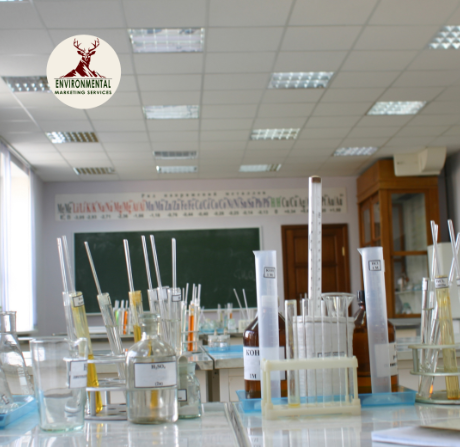
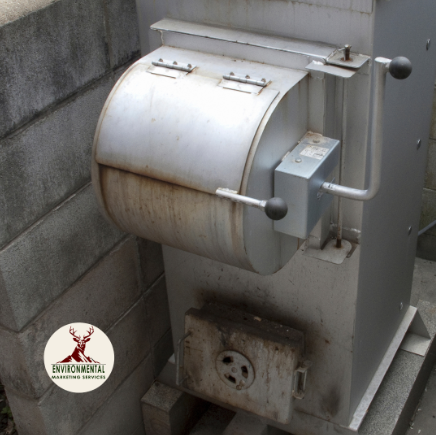
Toxic waste can be dangerous if it’s not handled the right way. It can come from factories, hospitals, or even certain school labs. These materials have the potential to harm people, animals, water, soil, and air. Sometimes, the danger isn’t obvious at first, but over time, poor handling can result in serious harm. Managing toxic waste is not something to guess about or handle alone. It should be taken care of by professionals who know how to do it safely.
Leaking batteries or leftover cleaning products need special care. Proper handling keeps toxic materials out of places where they can harm neighborhoods, children, wildlife, or even the water that we drink. Most people do not realize how common these items are in daily life. By taking the time to handle them well, we can prevent small issues from becoming bigger problems later.
Understanding Toxic Waste
Toxic waste means anything that can poison or cause harm to people, animals, or the environment. These aren’t just messy items left lying around. Examples include old batteries, chemical cleaners, used lab materials, pesticides, and oil-based paints. Each of these can cause real health problems if touched, breathed in, or improperly dumped.
The main thing that separates toxic waste from regular trash is the risk. Everyday garbage usually doesn’t need special handling. Toxic waste does, since throwing it away with regular household items can lead to spills or fires, especially at landfills. This is why even small amounts can be a big concern.
Toxic waste shows up in more places than most realize. Schools and workplaces may use chemicals for cleaning or science experiments. Medical clinics and hardware stores often have leftovers that need safe storage. Sometimes, garages or sheds at home hold old gasoline cans or paint. Recognizing these warning signs early helps prevent accidents and keeps dangerous materials from causing unplanned trouble.
Why Safe Handling Matters
When toxic waste isn’t managed in the right way, it can cause big problems that stick around for years. If it leaks into the ground, plants can soak it up from the soil. If it gets into water, fish and even public water systems may be harmed. Burning or dumping it without care creates fumes that lower air quality and can hurt people’s lungs.
The trouble with many toxic materials is that they don’t disappear quickly. Some chemicals stay in the ground or water for a long time and slowly build up. They can move from one spot to another by wind or water. For example, a spill in a garage could reach a nearby stream after it rains, putting local wildlife at risk.
To help keep everyone safe, the government sets rules for how toxic waste gets labeled, stored, and transported. These state and federal laws are designed to protect people, animals, and nature. Following the directions isn’t just good practice, it helps make sure accidents and health problems are less likely to happen.
How Toxic Waste is Collected and Treated
Collection and treatment need careful steps, handled by trained professionals who understand the dangers. The first job is sorting and labeling each type of waste, so nothing gets mixed up. Each container must have a clear, accurate label showing what’s inside. Some chemicals react if exposed to light, heat, or other substances, so knowing what’s in the bin matters.
Next, toxic waste is put in special containers or drums that are sturdy and sealed tight. These bins keep leaks or spills from happening during storage or transport. The containers are designed to handle strong chemicals, so they won’t wear out quickly or burst under pressure.
Transport follows strict routes using approved vehicles, and every container’s path is tracked. When it comes time to treat the waste, the steps depend on what kind of material it is. Some chemicals are made safer using neutralizing solutions that lower their risk. Others are burned at high temperatures to destroy the most dangerous parts. There are also secure landfills built just for storing hazardous waste that can’t be treated in other ways. These landfills are lined to keep anything from escaping into the ground or groundwater.
A key service offered is collecting hazardous waste from schools, labs, and businesses to keep harmful materials from sitting unnoticed through the year. Professionals conduct hazardous waste pickups that comply with all regulations, making sure materials go through the safest possible route from pickup to disposal. This careful handling matches government standards so communities can trust the process is handled the safest way available.
Common Mistakes to Avoid
Don’t treat toxic waste as regular trash. Putting old batteries or chemicals in standard garbage bins is one of the most common mistakes people make. This can cause leaks in garbage trucks or send toxic fumes out of dumps as these materials react or break down.
Pouring leftover chemicals down the sink or a storm drain is another problem. These pipes may connect directly to natural water sources or public treatment systems, putting rivers, streams, and neighbors’ drinking water at risk.
Guesswork is just as risky as tossing the materials in the wrong place. Mixing cleaning supplies like bleach and ammonia can cause dangerous chemical reactions like fires or harmful clouds of fumes. Even items that seem safe on their own can turn dangerous in a mix. Trying to fix leaks or damaged containers yourself often spreads the problem further.
To avoid mistakes, keep an eye out for these warning signs:
– Unusual fumes or odors near storage areas
– Broken, faded, or missing labels
– Leaking or bulging containers
– Expired or unused chemicals that have been left for a long time
If any of these show up in your home, business, or school, don’t take chances. It is always smarter to have specialists check and remove the materials safely.
Getting Ready for the Fall Season
When cooler weather arrives in October, many people and businesses pack up tools, paints, and cleaning products used throughout the summer. This is a natural time to check sheds, garages, and closets for leftover toxic items that might be forgotten during cold months. If ignored, some chemicals become unstable or build up pressure inside their containers when temperatures drop.
Many places do their annual maintenance in the fall, like clearing storage spaces or winterizing pipes. It is smart to watch for old chemicals or fuels stored anywhere they could freeze or leak as the weather changes. Set these materials aside in a safe spot, away from reach of children, pets, or anyone who might not recognize the danger.
Plan ahead by arranging for professional removal before winter begins. Hazardous material pickups are available year-round, and fall is a good time to take care of unused chemicals or supplies that might be left sitting through months of lower temperatures. This helps keep everyone safer at home, in businesses, and in schools.
Remember, some facilities offer lab pack services that group assorted small containers safely for transport and disposal. These services help keep everything secure and organized during seasonal clean-ups or storage checks, solving the problem before it affects people or the environment.
Safer Communities Start with Smart Waste Habits
Toxic waste often hides in plain sight, and even small mistakes with the wrong material can quietly harm people or the environment. Spotting these materials early, using safe storage, and steering clear of shortcuts are some of the simplest, most practical ways to keep homes and neighborhoods healthier.
Letting skilled professionals handle toxic waste helps everyone in the community focus on staying safe. When waste is handled the right way, it protects the air, water, and soil that people and animals need every day. By choosing good habits and making smart decisions with toxic waste, we help protect local spaces now and for years to come.
Handling materials that need extra care starts with making smart choices about how they’re stored and disposed of. When waste carries risks to people or the environment, our approach to hazardous waste services helps prevent problems before they happen. At Environmental Marketing Services, safety isn’t just a step—it’s part of everything we do. If you’re not sure how to move forward, we’re here to help you make the safest choice.