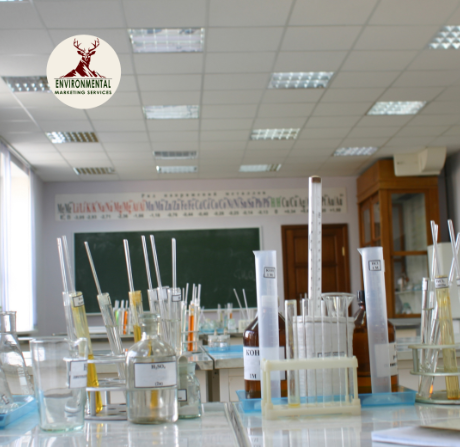
Toxic waste is a type of hazardous material that poses a significant threat to public health and the environment if not managed correctly. It includes a wide variety of substances that can be harmful, such as chemicals, heavy metals, and other pollutants produced by industries like manufacturing and agriculture. Proper disposal and management of toxic waste are critical to preventing contamination and potential ecological disasters.
Environmental Marketing Services is committed to promoting safe and effective methods for managing toxic waste. Responsible disposal helps businesses comply with regulations and protects the community and natural resources.
Understanding Toxic Waste
Toxic waste is any material that can lead to adverse effects when improperly managed. This includes chemical waste like acids, solvents used in various industrial processes, and heavy metals such as lead and mercury. These materials often originate from industrial operations, laboratories, and agricultural activities involving pesticides and fertilizers.
The dangers associated with toxic waste are far-reaching. When not handled properly, it can cause soil and water contamination, which affects ecosystems and human health. For example, mercury leakage into a water supply can disrupt aquatic life and enter the food chain, posing significant risks to those consuming contaminated seafood.
To manage toxic waste properly, it is important to know the types of hazardous materials common in your specific industry. This helps create safer disposal practices that reduce risk and prevent long-term environmental harm.
Methods for Safe Toxic Waste Disposal
1. Identify and Classify
The first step in managing toxic waste is correctly identifying and classifying what type of waste is being handled. Knowing the hazards associated with each material is key to determining how it should be managed.
2. Proper Storage and Transportation
Toxic waste should be stored in containers that prevent leaks or spills. Each container must be clearly labeled to avoid mishandling. Transporting toxic waste requires special equipment and trained personnel to meet safety and legal standards.
3. Treatment and Disposal
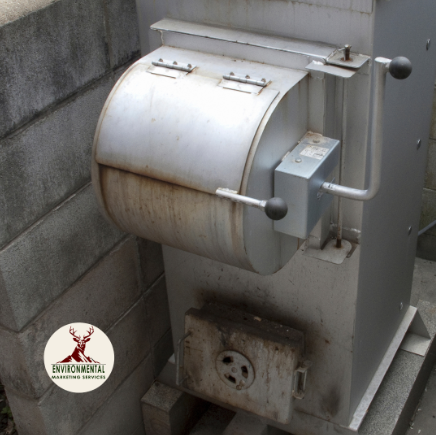
Depending on the type of waste, treatment methods may include incineration, chemical neutralization, or stabilization. These methods help reduce the hazard level of the waste, making it safer for final disposal.
Technology plays an important role in improving toxic waste management. Innovations such as automated monitoring systems and advanced treatment methods allow for better control over disposal processes. These upgrades help reduce the risks involved and lead to more responsible practices.
Using the right disposal procedures allows businesses to keep their operations safe and remain compliant, while also helping to preserve the environment. Mistakes in these areas can result in significant penalties and long-term damage.
Regulations and Compliance
Federal and state laws set strict rules for how toxic waste must be handled. These laws are in place to protect both public health and the environment. Following them is not optional and can have serious legal consequences if ignored.
Regulatory agencies like the Environmental Protection Agency (EPA) and various state departments create standards for how toxic waste is stored, transported, and disposed of. These rules are updated regularly, and businesses must remain informed to stay compliant.
At Environmental Marketing Services, we prioritize staying up to date with the latest federal and state regulations. Our team works closely with clients to carry out proper procedures designed to meet all legal requirements. This includes conducting internal audits, training staff on correct waste handling, and maintaining accurate documentation.
We help our clients avoid fines and environmental damage by making sure everything is handled the right way, from the first step to the last. That includes customizing each waste disposal plan to meet industry-specific requirements and environmental goals.
Choosing a Reliable Toxic Waste Disposal Service
Choosing the right disposal partner is important for any business that generates or handles toxic waste. A qualified and experienced service provider can make the difference between effective compliance and potential risk.
Here are key factors to consider when selecting a toxic waste disposal service:
1. Experience and Certification
Make sure the disposal company has the right certifications and a proven track record of managing toxic waste safely and effectively.
2. Safety Protocols
Look for a service that follows strong safety practices. This includes emergency response procedures, regular inspections, and thorough staff training.
3. Transparency and Reporting
Reliable service providers give detailed records of how waste is handled at every step. Clear reports add accountability and help businesses ensure they’re meeting legal requirements.
Professional disposal services use advanced tools and techniques that are not typically available to most businesses. That means less risk of error, reduced liability, and more reliable results overall.
Environmental Marketing Services offers highly trained personnel and proven systems to take on even the most complex disposal needs. Our team takes care of everything from assessment to final disposal, improving safety and helping clients stay compliant from start to finish.
Making a Positive Environmental Impact
Proper toxic waste disposal does more than keep businesses compliant. It helps create a safer, cleaner environment for people and wildlife. When waste is treated and disposed of correctly, harmful materials are kept out of ecosystems and water supplies.
Businesses that take a responsible approach to waste management contribute to overall sustainability. These efforts can influence other organizations and community members to do the same. When businesses lead by example, it encourages broader environmental awareness and responsibility.
Some of our clients have seen long-term benefits from adopting better disposal practices, including improved community relations and fewer regulatory complications. By staying committed to safe waste management, they have helped protect both local ecosystems and public health.
At Environmental Marketing Services, we believe that every business has the potential to make a difference. Through organized waste practices and ongoing environmental education, we help build a stronger foundation for a healthier future.
Taking the Next Step Towards Safe Waste Disposal
Toxic waste management is a key part of protecting both the environment and the communities we live in. From understanding what toxic waste is, to knowing how to safely dispose of it, every step matters. Using proper disposal methods, complying with regulations, and working with reliable professionals can reduce risks and improve outcomes.
Choosing a trusted disposal partner like Environmental Marketing Services helps make the process more manageable. Our focus is on safe, lawful, and effective solutions that take into account your specific waste needs and the protection of the environment. By acting now, businesses can improve safety, avoid legal trouble, and play a part in creating a cleaner tomorrow.
To further protect our environment and ensure regulatory compliance, consider how professional hazardous waste services can support your business in managing dangerous materials safely and efficiently. Environmental Marketing Services is ready to help you navigate proper waste disposal, fostering safer practices and contributing to a more sustainable future.