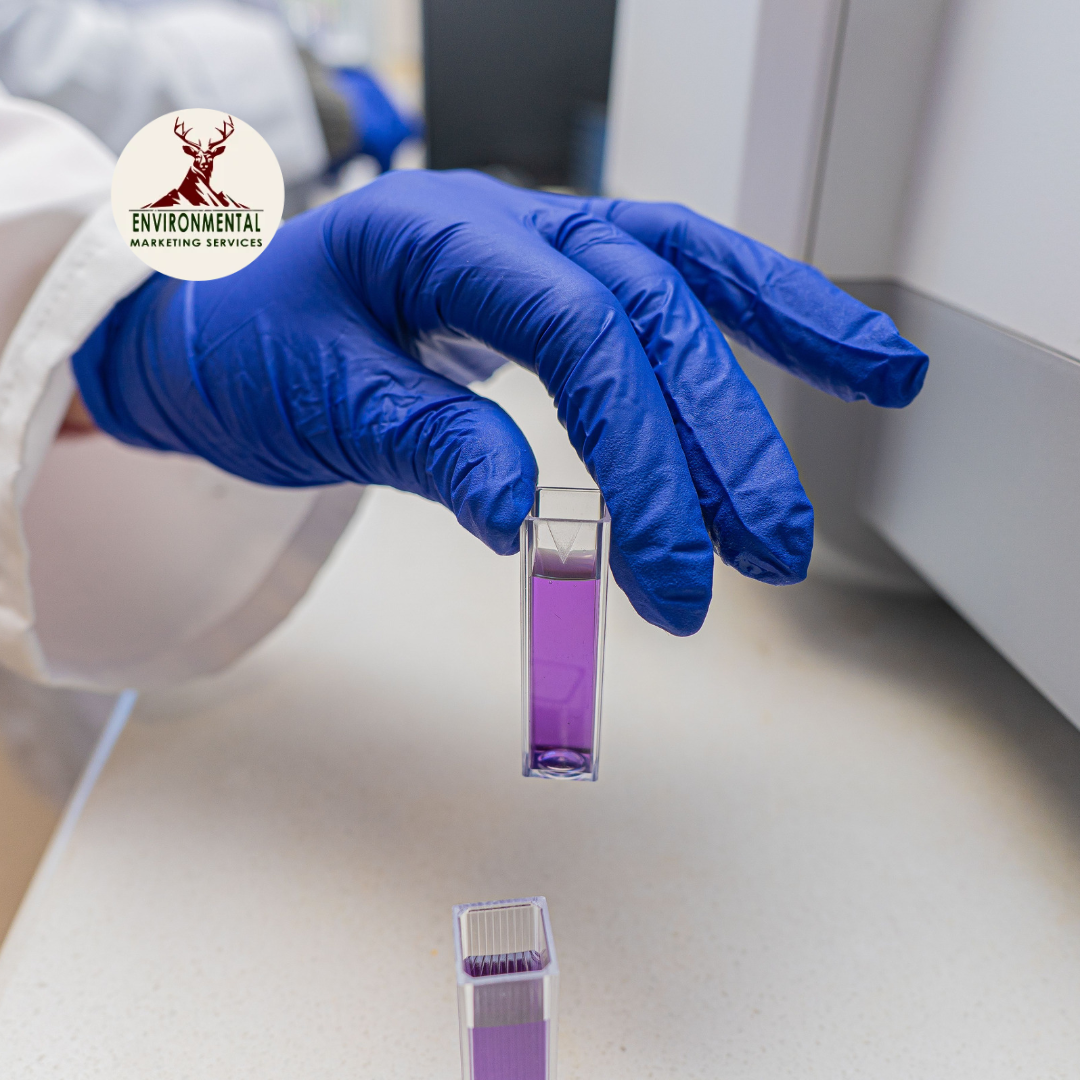
Chemical waste disposal in the laboratory works best when it is part of the daily routine, not a last-minute cleanup project. Clear procedures help protect your team from spills, vapor exposure, fire hazards, and accidental mixing of incompatible materials.
At Environmental Marketing Services, we know that laboratory chemical disposal involves more than placing containers in a storage room. A dependable program starts with identifying waste correctly, then continues through segregation, labeling, storage, transportation, and recordkeeping.
Build a Safer, More Compliant Laboratory
Unmanaged chemical waste can create trouble quickly. A container with an unclear label may be mixed with the wrong material. A leaking bottle can expose employees or spread contamination. Vapors may build up when containers are left open, while incompatible materials can react if they are stored too close together.
We recommend treating waste management as a shared laboratory responsibility. Consistent habits make it easier to spot problems early and keep your workspace safer between inspections, cleanouts, and pickups.
A practical laboratory waste program should cover:
- Identifying waste as soon as it is generated
- Separating incompatible materials
- Labeling and checking containers
- Moving waste to approved storage areas
- Planning transportation and keeping records
Requirements may differ based on the waste type, your generator category, state rules, and how your facility operates. When you manage multiple laboratories or locations, written procedures help everyone follow the same safe process.
Identify Chemical Waste Before It Creates Risk
Accurate identification is the starting point for safe laboratory chemical disposal. Instead of allowing partially used reagents, expired products, and old containers to collect on shelves, review materials as soon as they are no longer needed for their intended purpose.
Common laboratory waste streams may include spent solvents, acids, bases, corrosives, oxidizers, heavy-metal-containing materials, toxic compounds, reactive chemicals, contaminated personal protective equipment, and empty chemical containers. Each stream may need different handling, packaging, and disposal planning.
Before assigning a waste type, review available information such as Safety Data Sheets, product labels, inventory records, and details about the laboratory process that created the waste. Process knowledge can help explain what is in a container when the original product label is no longer enough.
Unknown chemicals deserve special attention. Never combine an unknown material with another waste stream just to reduce the number of containers. That choice can create an unsafe reaction and make disposal more difficult. When waste characteristics are unclear, we recommend involving qualified environmental professionals before moving, mixing, or shipping the material.
Laboratories may produce hazardous, non-hazardous, universal, and other regulated waste. Classification can depend on federal, state, and local requirements, so a documented waste determination process helps your team make informed decisions.
Create a Segregation and Labeling System That Works
Compatibility matters more than convenience. Waste should be separated based on its chemical properties, not simply by where it was generated or which department produced it. A simple system that is used the same way across shifts can prevent confusion.
Keep these common incompatibilities in mind:
- Acids and bases
- Oxidizers and organic solvents
- Water-reactive materials and aqueous waste
- Cyanide-containing waste and acids
- Reactive materials and general chemical waste
Labels should be clear enough that a trained person can understand what is inside the container without guessing. Avoid vague terms such as “waste solvent,” “chemicals,” or “unknown.” Instead, identify the contents, associated hazards, required accumulation details, and the responsible laboratory or department when applicable.
Container condition matters just as much as the label. Use containers that are compatible with the waste, closed when not in use, and free from damage. Routine checks can catch leaks, corrosion, bulging, missing caps, faded writing, and overfilled containers before they become a larger safety or compliance concern.
Store Laboratory Chemical Waste Safely Until Pickup
Temporary storage is an active part of laboratory chemical disposal, not a waiting period. Waste should remain secure, organized, and accessible only to trained personnel while it awaits pickup.
Keep containers upright, closed, and protected from damage. Secondary containment may be appropriate for certain materials or storage areas. Avoid placing chemical waste near drains, heat sources, exits, or incompatible chemicals. Labels should remain visible and readable throughout the storage period.
Many facilities use satellite accumulation areas near the point where waste is generated, then move containers to a central waste storage area under defined internal procedures. Your process should clearly explain who may move waste, where it goes, how containers are inspected, and what to do when a problem is found.
Autumn is also a good time to inspect storage areas before holiday closures and winter weather create scheduling challenges. Confirm that heating and ventilation systems are working as intended, check for containers that need attention, and avoid letting pickups slip due to reduced staffing or year-end demands.
Plan Disposal and Documentation Carefully
Removing containers from the laboratory is only one part of the process. Proper planning also includes waste profiles, packaging, transportation, final treatment or disposal, and reliable documentation.
A disposal provider may need details such as chemical names, concentrations, physical state, container type, volume, hazards, Safety Data Sheets, and information about the process that created the waste. Complete information helps support appropriate handling decisions before transportation is arranged.
We recommend working with trained hazardous waste transportation and disposal partners for regulated laboratory materials. Packaging, shipping papers, manifests when applicable, and delivery to authorized treatment, storage, recycling, or disposal facilities all require careful coordination.
Keep organized records for waste determinations, inspections, employee training, pickup schedules, manifests, certificates, and final disposal documents. Year-end reviews are also useful for reconciling chemical inventory, identifying outdated materials, and spotting recurring waste streams that may benefit from a scheduled service plan.
Strengthen Your Laboratory Waste Program Today
A safer program begins with clear ownership. Assign responsibilities for waste identification, labeling, container inspections, employee training, internal movement, and pickup coordination. When everyone understands their role, laboratory chemical disposal becomes a repeatable process instead of a stressful scramble.
Before year-end, review storage areas, remove outdated or excess chemicals through the proper process, and plan transportation early enough to avoid seasonal delays. Consistent attention to identification, segregation, storage, and documentation can reduce risk, prevent costly cleanup events, and support safer laboratory operations throughout the year.
Streamline Your Lab’s Waste Management
Environmental Marketing Services provides dependable laboratory chemical disposal support tailored to your facility’s waste streams and operational needs. Our team can help you coordinate compliant pickup, documentation, and disposal services with less administrative burden. Contact us to discuss a service plan for your laboratory.