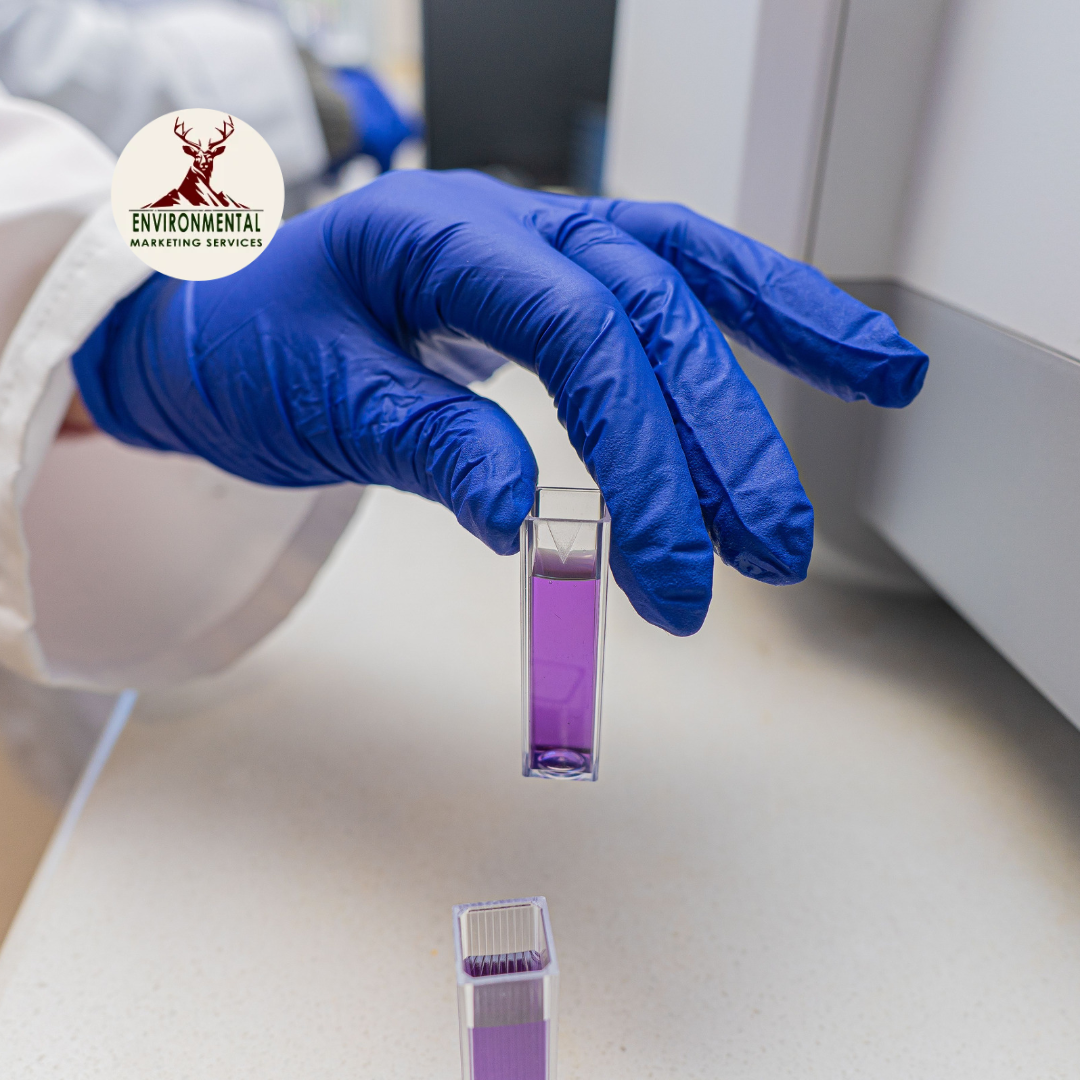
Laboratory waste can become a safety and compliance problem long before it leaves your building. Small containers, mixed chemical types, aging labels, and long-term storage make it hard to know what can be shipped together and what needs special handling. We use lab pack services to turn that uncertainty into an organized process for packaging, transporting, and disposing of difficult waste materials.
A planned lab pack can help you reduce employee exposure, clear crowded storage areas, and lower the chance of leaks, spills, or improper disposal. Below, we explain the materials commonly managed through lab packs, what happens on service day, and how to prepare for a smoother waste removal project.
Turn Hazardous Lab Waste Into a Controlled Process
Lab waste rarely comes in one neat, uniform stream. You may have bottles of old reagents, partly used solvents, outdated research samples, cleaning chemicals, or containers with labels that no longer tell the full story. Materials stored for a long time can also have weakened containers, faded labels, or unknown conditions.
Lab pack services provide a structured way to manage these items. We review the waste, separate materials by compatibility, place smaller containers into approved outer packaging, and prepare them for transportation and disposal. This approach can apply to hazardous, non-hazardous, and universal waste, depending on the material and its classification.
Proactive management gives your team more control over waste storage. Instead of allowing unwanted chemicals to build up in cabinets, labs, maintenance rooms, or storage areas, you can create a clear plan for removal and documentation.
Why Lab Pack Services Protect People and Compliance
Lab packing is especially helpful when you have many small containers that cannot simply be placed into one drum or shipped as a bulk load. We often coordinate these projects during lab cleanouts, facility moves, renovations, inventory reductions, and decommissioning work.
Compatibility matters because certain materials can react if they are stored or transported together. A trained waste team reviews hazards and keeps incompatible waste apart. Materials that may need separate handling include:
- Acids and bases
- Flammables and oxidizers
- Reactive or toxic chemicals
- Unknown or poorly labeled containers
- Aerosols, batteries, lamps, and other universal waste
A properly managed lab pack also supports a more organized compliance process. Hazardous waste determinations, container labels, accumulation requirements, Department of Transportation shipping rules, manifests, and state rules may all affect how materials are managed. We help bring order to the project so your internal team has clearer records and fewer loose ends to manage.
Know Which Materials Belong in a Lab Pack
Many types of unwanted materials may be appropriate for lab packing, but acceptance depends on what the item is, its condition, how much you have, and how it is classified. Common examples include expired laboratory chemicals, research samples, outdated reagents, solvents, cleaning chemicals, paint-related products, pesticides, aerosols, batteries, and lamps.
Unknown containers deserve added care. If a bottle has no label, an incomplete label, or unclear contents, your staff should not open it, mix it with another material, or try to identify it without the right training and equipment. We can review available labels, safety data sheets, historical records, container condition, and other useful information to determine the safest path forward.
Not every waste stream belongs in a lab pack. Large quantities of one material, bulk liquids, damaged drums, and certain specialized wastes may need another approach. Before service begins, we review the inventory to determine whether lab packing, bulk shipment, overpacking, or another disposal method fits the materials on site.
How Lab Pack Services Work From Inventory to Disposal
The work starts before anyone arrives at your facility. During planning, we review your waste inventory, container sizes, chemical descriptions, storage locations, access conditions, and project timeline. This helps us identify safety concerns, determine packaging needs, and prepare for an efficient service day.
On site, trained personnel sort materials by compatibility and place smaller containers into approved outer containers. Absorbent material may be used when needed, and packages are labeled and prepared for transport. Convenience should never override safety, so incompatible materials are not packed together simply to save space.
Documentation is part of the process as well. Depending on the waste type and your generator status, paperwork may include shipping papers, hazardous waste manifests, waste profiles, certificates, and disposal records. Once transported, the waste goes to an appropriate treatment, recycling, recovery, or disposal facility. That documented chain of custody gives you a clearer record of where the materials went.
Prepare for Year-End Waste Removal Without Disruption
Late fall is a practical time to review stored chemicals and unwanted materials. Many organizations use the final months of the year to complete lab cleanouts, prepare for annual inventories, close out projects, or address waste left behind after operational changes. Planning ahead can help prevent old materials from carrying into the next calendar year.
Holiday schedules, reduced staffing, winter weather, facility closures, and increased shipping demand can all affect transportation timing. Early coordination helps you maintain safer storage conditions instead of making rushed decisions when calendars become crowded.
Before a scheduled service date, we recommend that you:
- Create a preliminary list of containers and known materials
- Keep containers closed, upright, and accessible
- Identify leaking, damaged, or deteriorating containers
- Clear safe pathways to labs, cabinets, and storage rooms
- Gather safety data sheets or historical records when available
These steps do not replace professional review, but they can make the project safer and easier to coordinate.
Select the Right Lab Pack Services Partner
The right provider should understand your waste streams, service locations, transportation needs, and disposal options. Ask how the provider plans projects, handles on-site safety, manages emergency concerns, prepares documentation, and determines final disposal methods. A clear explanation before service begins can prevent confusion later.
At Environmental Marketing Services, we provide transportation and disposal support for hazardous, non-hazardous, and universal waste. We work with organizations that need help coordinating lab packs and other waste management needs with safe handling, reliable logistics, and responsible disposal in mind.
A good next step is to review your chemical inventory and flag materials that are aging, unwanted, unknown, or taking up valuable storage space. With a planned lab pack process, you can make room, improve organization, and manage difficult waste with greater confidence.
Take Control of Your Laboratory Waste
Environmental Marketing Services provides lab pack services tailored to the materials, documentation, and handling needs of your facility. Our team helps streamline the process from identification and packaging through transportation and disposal. Contact us to discuss your waste management needs and request support.