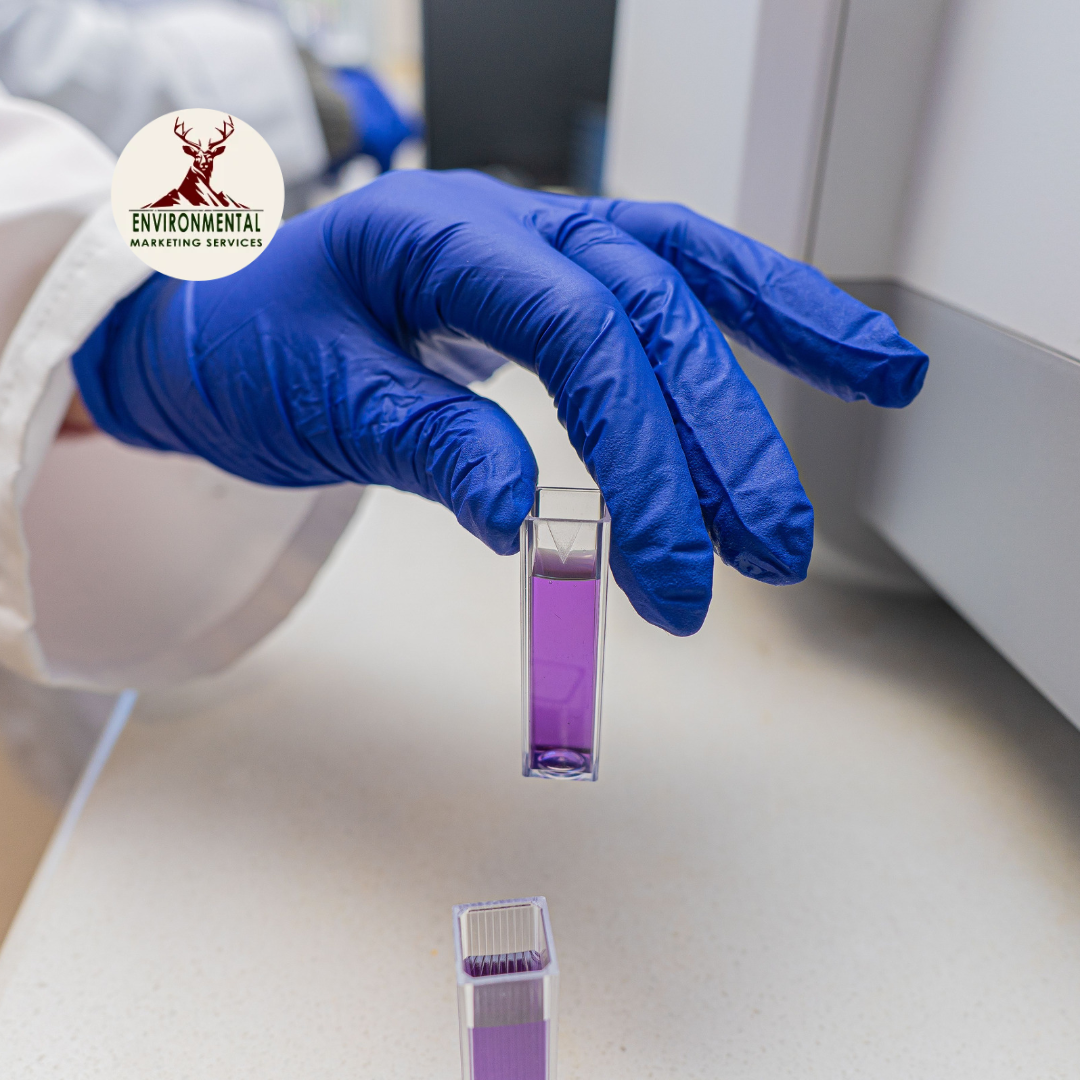
Laboratory waste disposal services help you manage materials that cannot go into ordinary trash. In a lab, even small amounts of chemicals, contaminated supplies, sharps, batteries, lamps, and expired products can require different handling. A clear waste plan helps protect your team, keep work areas organized, and prevent avoidable shipment delays.
We recommend thinking about waste management when materials are purchased and used, not only when containers are full or a storage room is crowded. That early planning makes it easier to identify waste streams, prepare proper records, choose the right disposal path, and plan for weather or holiday scheduling changes.
Protect Your Lab with Smarter Waste Planning
Good waste management starts with knowing what your lab creates each day. A single workspace may produce hazardous waste, non-hazardous materials, universal waste, and items that need special packaging. Treating every item as “lab waste” can lead to confusion, poor storage practices, and problems when it is time for pickup.
Our team recommends creating a written plan that covers how waste is collected, labeled, stored, reviewed, and prepared for transportation. The plan should also identify who is responsible for checking containers and keeping records current.
A practical plan can help you:
- Reduce the risk of spills, leaks, and employee exposure
- Keep incompatible materials from being stored together
- Avoid last-minute cleanouts and delayed pickups
- Support accurate transportation and disposal paperwork
- Make training easier for new and current lab staff
Waste decisions belong at the start of the process. When you know how a chemical or material will be handled after use, your team can choose appropriate containers, labels, and storage locations before waste begins to build up.
Classify Every Waste Stream Before It Leaves the Lab
Accurate classification is the foundation of laboratory waste disposal services. Before material leaves your facility, you need to understand whether it may be hazardous under applicable federal, state, or local requirements. Common hazardous waste characteristics include ignitability, corrosivity, reactivity, and toxicity.
Labs often generate a wide range of materials, including spent solvents, acids, bases, chemical containers, contaminated personal protective equipment, broken glass, sharps, expired chemicals, batteries, lamps, aerosol cans, and electronic equipment. Some of these materials may fit universal waste or non-hazardous industrial waste pathways, but they can still need special handling.
Clear records make this step much easier. We encourage you to keep chemical inventories, safety data sheets, waste profiles, and complete container labels available for review. Labels should identify what is inside the container rather than using broad descriptions such as “chemical waste.”
Avoid mixing materials unless your waste procedures specifically allow it. Combining incompatible chemicals can create safety concerns and may make a container harder to profile, transport, or dispose of properly. Small quantities also deserve the same careful attention as larger containers. Accurate classification supports the right treatment and disposal decision from the beginning.
Select Laboratory Waste Disposal Services with Confidence
Choosing a disposal partner should involve more than comparing pickup options. You need a provider that understands laboratory waste, transportation requirements, waste profiles, packaging needs, and the disposal options available for different materials.
When we work with organizations, we help coordinate transportation and disposal solutions for hazardous, non-hazardous, and universal waste. Environmental Marketing Services serves businesses and organizations across 47 states, which can be helpful for organizations managing multiple locations or planning waste projects beyond one facility.
Before selecting laboratory waste disposal services, ask practical questions about the project:
- Can the provider support recurring pickups and one-time laboratory cleanouts?
- What information is needed to profile each waste stream?
- What packaging guidance is available before the pickup date?
- How are manifests, shipping documents, and disposal records handled?
- Who will communicate with your team if conditions change before pickup?
A reliable provider should explain what your lab needs to do before transportation begins. That includes confirming container counts, reviewing access conditions, and addressing unusual materials early enough to avoid surprises on pickup day.
Create a Safer Collection and Packaging Workflow
Waste handling is safer when collection procedures are simple and consistent. Start at the point where waste is generated. Your staff should know which container to use, how to label it, when to close it, and where it belongs after it is full.
Compatible containers, secure lids, legible labels, and secondary containment all support a safer storage area. Labels should match your facility’s waste program and include the contents, known hazards, and required accumulation information. Routine inspections can also help your team catch damaged containers, missing labels, and crowded storage areas before they become bigger problems.
Transportation readiness is a separate step from daily collection. Before a pickup, we recommend confirming waste profiles, container quantities, package condition, and site access for the driver. If a material needs special packaging or additional review, it is better to address that detail well before the truck arrives.
Training matters just as much as written procedures. Refresh your team’s waste training when you introduce new chemicals, change lab processes, hire new personnel, or notice repeated labeling mistakes. Consistent habits help keep waste management from becoming an afterthought during a busy workday.
Prepare for Winter Weather and Year-End Deadlines
A November waste review can prevent storage problems during the final months of the year. Holiday closures, reduced staffing, winter weather, and facility shutdown dates may affect pickup scheduling, transportation routes, site access, or disposal facility operations.
Before the season becomes busy, review your waste accumulation areas for aging containers, outdated chemicals, full cabinets, and materials that may need special profiling. Early review gives your team more time to resolve unknowns and plan around your preferred pickup window.
Keep storage areas dry, secure, and accessible during cold or wet conditions. It also helps to review vendor contacts, manifests, and disposal records as part of your year-end planning. That simple check can reveal recurring waste streams, training needs, or storage practices worth improving in the coming year.
Turn Waste Management Into a Safer Next Step
The strongest laboratory waste programs rely on accurate classification, organized collection, safe storage, reliable records, and qualified transportation and disposal support. When those pieces work together, your lab can stay focused on its work without allowing waste containers and unknown materials to pile up.
Take time to review your current waste streams, storage conditions, staff training, and upcoming cleanout needs. A careful review before waste accumulates can help you make safer decisions, prepare for seasonal scheduling changes, and keep your laboratory ready for the next shipment.
Reliable Support for Your Laboratory’s Waste Needs
Environmental Marketing Services provides laboratory waste disposal services tailored to the materials, timelines, and compliance needs of your facility. Our team can help coordinate appropriate handling and disposal for routine pickups or specialized projects. Contact us to discuss your laboratory’s requirements and request service.