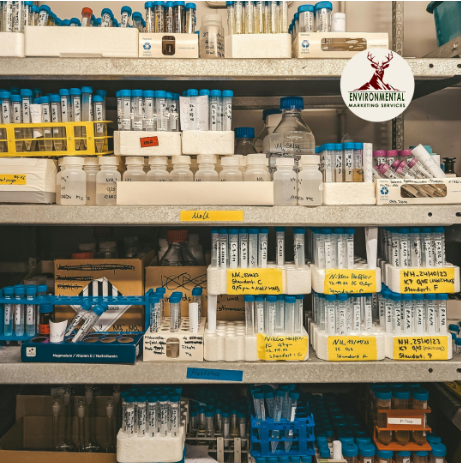
Chemical waste disposal services help turn a risky, confusing task into a managed business process. If your facility generates chemicals, you need a clear plan for identifying materials, storing them safely, arranging transportation, and keeping records of where they go.
Improper handling can lead to employee exposure, environmental releases, regulatory concerns, work interruptions, and damage to your organization’s reputation. We help businesses approach chemical waste as an ongoing safety and compliance responsibility, not a last-minute cleanup project.
Turn Chemical Waste Risks Into a Managed Process
Chemical waste can show up in far more places than a laboratory. We work with organizations that generate waste through manufacturing, maintenance, healthcare, education, warehousing, construction, automotive work, and everyday facility operations.
A maintenance room may hold old degreasers and aerosols. A school science area may have outdated lab chemicals. A warehouse may discover damaged products or partially used containers during a cleanout. Even materials that once had a useful purpose can become a disposal concern when they expire, leak, become contaminated, or are no longer needed.
We provide transportation and disposal solutions for hazardous, non-hazardous, and universal waste. Our team helps organizations build a more organized path from on-site storage to final management.
Classify Chemical Waste Before It Creates Liability
A safe disposal plan starts with knowing exactly what you have. You cannot choose the right handling or disposal path until the material is identified and its hazards are understood.
Common chemical waste streams may include:
- Spent solvents, acids, bases, and laboratory chemicals
- Paints, adhesives, degreasers, and cleaning agents
- Pesticides, aerosols, and expired commercial products
- Contaminated absorbents, debris, and protective materials
- Partially used or outdated chemicals from storage areas
Waste may be hazardous, non-hazardous, or universal waste. That classification can depend on the product’s ingredients, concentration, condition, contamination, and the rules that apply where your facility operates. A material that seems harmless at first glance may require special handling once it is mixed with another waste stream or contaminated during use.
We recommend reviewing safety data sheets, labels, process information, existing waste profiles, and laboratory results when available. Unknown, mixed, unlabeled, or aging chemicals should never be guessed at. A professional review helps reduce the chance of incompatible storage or an incorrect disposal decision.
Routine inventory checks are especially helpful before a move, renovation, seasonal cleanout, or year-end planning period. Finding materials early gives you more time to organize pickup needs and avoid emergency service requests.
How Chemical Waste Disposal Services Support Compliance
Chemical waste disposal services provide support from pickup planning through treatment, recycling, or disposal. The process often includes coordinating transportation, preparing waste profiles, selecting an appropriate facility, and maintaining shipping and disposal records.
Packaging and segregation matter at every stage. Chemicals that are incompatible, poorly labeled, or placed in the wrong container can create hazards during storage, loading, transportation, and final treatment. We help coordinate transportation and disposal solutions based on the information available about each waste stream.
Documentation is another major part of responsible waste handling. Your records should show where the waste came from, how it was described or classified, who transported it, and how it was ultimately managed. Keeping paperwork organized can make future reviews, audits, and facility planning much easier.
Requirements may differ based on waste type and location. For organizations with more than one site, a nationwide provider can help create consistent procedures while still accounting for state-specific requirements and available disposal options.
Waiting until a storage area is full can create unnecessary pressure. Planned pickups can help reduce clutter, improve access to storage areas, and keep routine operations moving.
Choose Chemical Waste Disposal Services with Confidence
Price matters in any business decision, but it should not be the only factor when selecting a waste partner. You also need a provider that understands your materials, communicates clearly, and can coordinate the right transportation and disposal path.
Before service begins, we suggest asking clear questions about the provider’s capabilities, including whether they can manage:
- Hazardous chemicals and non-hazardous industrial waste
- Universal waste and outdated inventory
- Contaminated debris and absorbent materials
- Damaged containers, unknown chemicals, or time-sensitive projects
Nationwide reach can be particularly helpful when your organization has multiple facilities, remote sites, or changing project locations. Centralized coordination can simplify vendor management and support a more consistent process from one site to the next.
It is also wise to understand what information will be needed for profiling, how containers should be prepared, what records will be provided, and what may affect project timing. Clear expectations help your team avoid surprises when a pickup or cleanout is underway.
Plan Fall Cleanouts and Year-End Waste Reviews
Early fall is a practical time to review chemical inventory before year-end schedules become crowded. During the review, look for expired products, surplus materials, partially used containers, unknown chemicals, and waste that has built up over the year.
Storage areas deserve close attention as well. Inspect for container deterioration, faded labels, leaks, blocked access, incompatible materials, and weak secondary containment. Cooler weather, rain, and changing conditions can expose problems in outdoor or unconditioned storage areas.
Planning ahead can help you prepare for holiday staffing changes, seasonal production shifts, fiscal-year closeouts, and winter weather delays. If your facility is in an area affected by heavy rain, flooding, or power interruptions, review whether chemical storage areas are ready for those conditions.
Fall planning is also a good time to update handling procedures, train employees, confirm emergency contacts, and review vendor information. These simple steps can support both routine pickups and unexpected waste situations.
Build a Safer Chemical Waste Management Program
A dependable program is built on repeatable habits: identify waste, classify it correctly, store it safely, keep records, and work with an experienced transportation and disposal partner. When those steps are handled throughout the year, chemical waste is less likely to become an urgent problem.
Before year-end, review any accumulated chemicals, outdated inventory, universal waste, or materials that need special handling. A clear inventory and documented removal plan can help your team protect the workplace, stay organized, and make safer decisions when waste needs to leave the site.
Streamline Your Chemical Waste Management
Environmental Marketing Services helps businesses coordinate reliable chemical waste disposal services tailored to their materials and operational needs. Our team can help you identify appropriate handling options and keep your disposal process moving efficiently. When you are ready to discuss your waste management needs, contact us for guidance.