Safer Lab Waste Starts with a Clear Plan
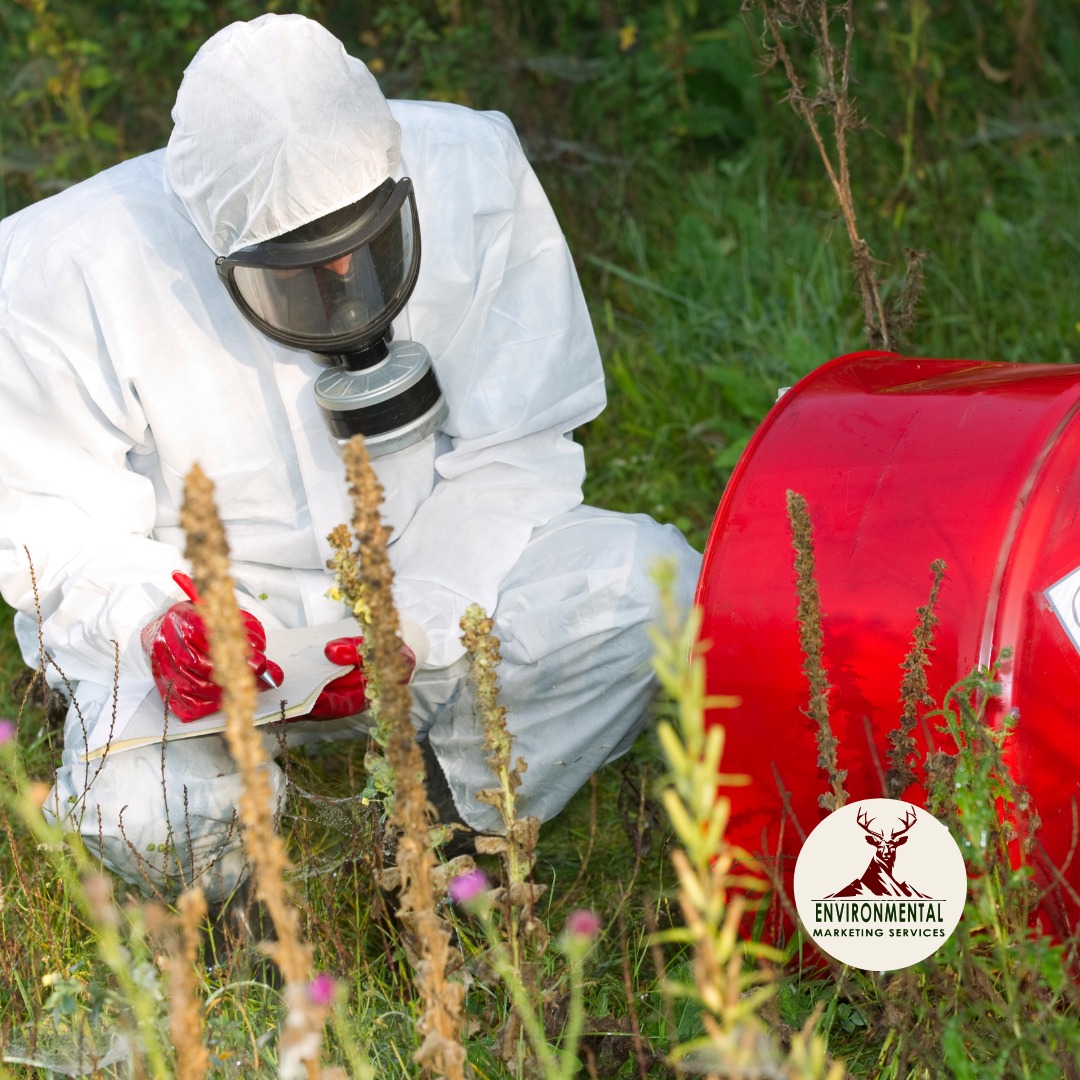
Chemistry lab waste disposal works best when it starts long before a container is full or a storage room feels crowded. A clear plan protects employees, helps prevent dangerous chemical reactions, and gives your team a consistent way to manage unwanted materials.
Fall lab activity, new research projects, and year-end inventory reviews can all create a fast buildup of waste. We recommend treating waste management as an ongoing part of lab operations, not a cleanup task saved for later.
A chemical becomes waste when it is unwanted, expired, contaminated, or no longer usable for its intended purpose. Waiting too long to make that decision can lead to crowded storage areas, faded labels, forgotten containers, and greater risk for everyone working nearby.
Improper handling can result in spills, fires, exposure, incompatible chemical reactions, environmental releases, and compliance concerns. A written waste plan gives departments and locations a shared process for identifying, collecting, storing, and preparing materials for disposal.
As Environmental Marketing Services, we coordinate nationwide transportation and disposal solutions for hazardous, non-hazardous, and universal waste. For organizations with more than one lab or facility, having a dependable process helps keep waste handling organized across locations.
Identify Waste Streams Before They Create Risk
The first step in chemistry lab waste disposal is knowing what you have. Waste classification should account for the chemical’s properties, possible contamination, how it was used, and applicable federal, state, and local requirements.
Common lab waste streams may include:
- Hazardous chemicals and chemical mixtures
- Non-hazardous materials
- Universal waste, such as certain lamps, batteries, and mercury-containing items
- Contaminated supplies, including gloves, wipes, absorbents, and labware
- Empty containers and containers with residue
- Unknown chemicals that need further review
We recommend reviewing Safety Data Sheets, chemical inventories, process knowledge, and available test results before making a waste determination. A chemical may be hazardous because it is ignitable, corrosive, reactive, toxic, or has another property that calls for special handling.
Some materials deserve extra attention from the start. Spent solvents, strong acids and bases, oxidizers, heavy-metal compounds, mercury-containing materials, and peroxide-forming chemicals can create serious hazards if they are mixed, stored, or packaged incorrectly. When your team finds an unknown container, label and isolate it according to your site procedures, then have qualified personnel review it. Guessing about contents can create a much larger problem.
Build a Practical Lab Waste Workflow
A reliable workflow begins with clear responsibility. We suggest assigning trained lab personnel, environmental health and safety staff, or facility managers to oversee waste collection, labeling, inspections, and transportation coordination. Everyone who generates waste should understand who to notify when a container needs attention.
At the point where waste is created, give personnel compatible containers and simple collection instructions. Containers should remain closed when not in use, should not be overfilled, and should never be used for combinations that are not known to be safe and allowed by your procedures.
A basic workflow can include:
- Identify the waste stream as soon as material becomes unwanted
- Place waste in a compatible, properly labeled container
- Segregate incompatible materials in designated storage areas
- Inspect containers and accumulation areas on a routine schedule
- Coordinate pickup before storage capacity becomes a concern
Routine inspections help your team spot small issues before they become emergencies. Look for leaking containers, missing or faded labels, damaged lids, incompatible storage, excess accumulation, and chemicals approaching expiration. October can be a practical time to conduct this review after busy fall lab activity and before year-end cleanouts begin.
Package, Label, and Store Waste Safely
The container matters as much as the material inside it. Corrosive liquids, flammable solvents, and reactive chemicals may require different packaging approaches. Damaged, rusted, bulging, or poorly sealed containers should be addressed promptly rather than left in storage.
Clear labels help protect the people who handle waste next. A useful label should identify the full chemical name or known contents, hazard information, the generating lab or department, and an accumulation start date when required. Labels such as “waste,” “solvent mix,” or “unknown” do not provide enough information on their own.
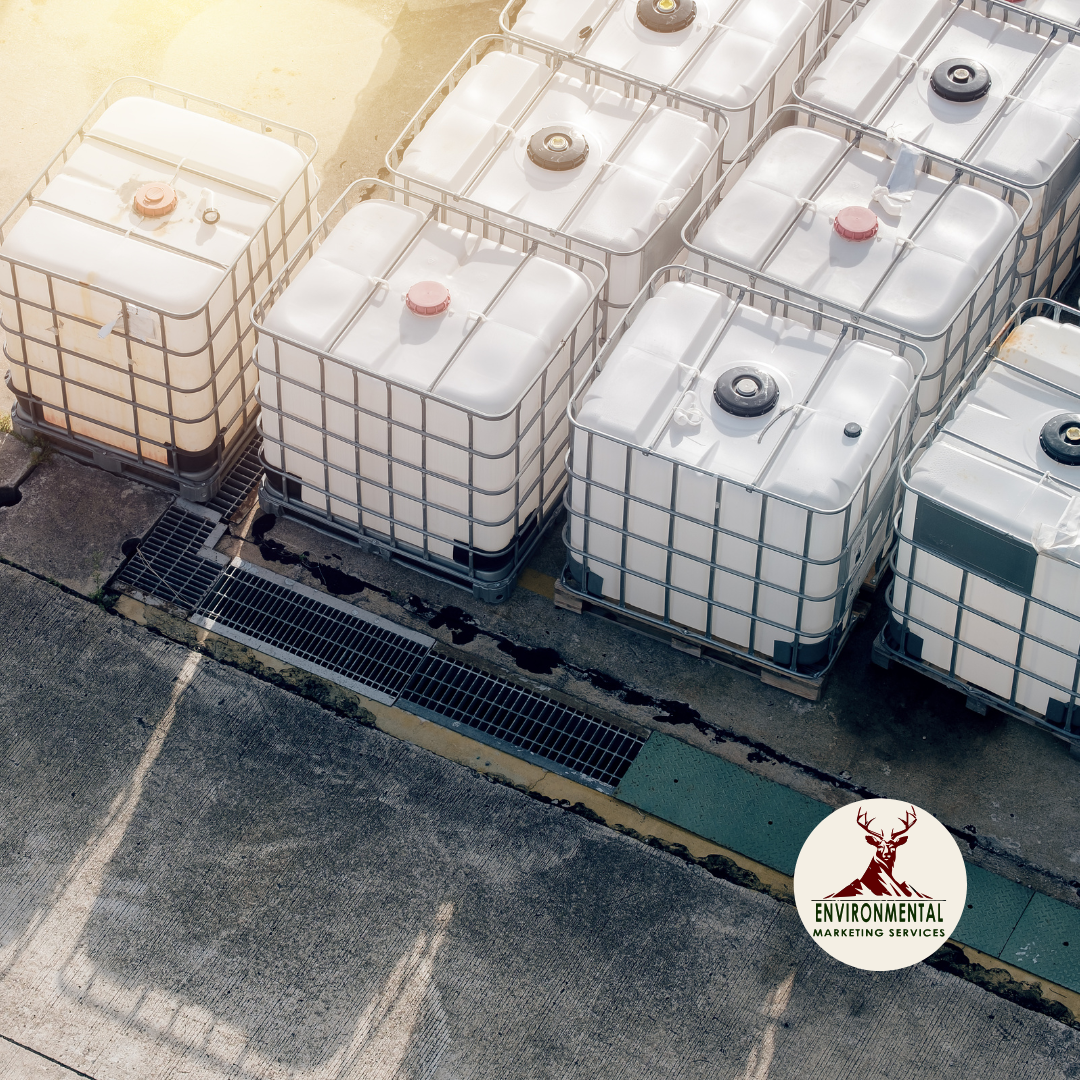
Before transportation, keep waste in a controlled area that supports safe handling. We recommend keeping incompatible materials apart, using secondary containment when appropriate, maintaining clear aisle access, controlling ignition sources, and keeping all waste out of drains and general trash. Qualified transportation coordination also helps align packaging, shipping papers, and handling practices with applicable transportation requirements.
Keep Records That Support Inspection Readiness
Good records create continuity when staff changes, labs expand, or an inspection occurs. Documentation can show how your team identified waste, what materials were stored onsite, when inspections occurred, and how waste moved out of the facility.
Records worth maintaining may include:
- Waste determinations and chemical inventories
- Container inspection logs and storage-area checklists
- Employee training documentation
- Pickup records and shipping paperwork
- Disposal certificates or manifests when applicable
Training supports every part of the process. Personnel who generate or handle lab waste should understand container management, label requirements, segregation practices, emergency response expectations, and when to involve environmental health and safety staff. Training should be refreshed whenever procedures change or new hazards are introduced.
Organized documentation can also reveal recurring issues, such as frequently expired chemicals, unclear labeling habits, or waste streams that could be reduced through better purchasing and inventory control. That makes chemistry lab waste disposal easier to manage over time, while helping your team stay prepared for internal reviews and outside inspections.
Turn Fall Lab Activity Into Year-Round Compliance
Fall is a useful reminder to review chemical inventories, remove aging materials, update training, and prepare for planned waste pickups before year-end. The same habits should continue throughout the year: identify waste early, separate it correctly, label it clearly, store it securely, and keep records in order.
A safer lab is not built around last-minute cleanouts. It comes from a steady process that gives your team clear responsibilities and treats every container as something that deserves timely attention.
Streamline Your Lab’s Waste Management
Environmental Marketing Services provides dependable chemistry lab waste disposal support tailored to your facility’s needs. We can help you manage hazardous materials with practical service and clear documentation. To discuss your disposal needs, contact us today.