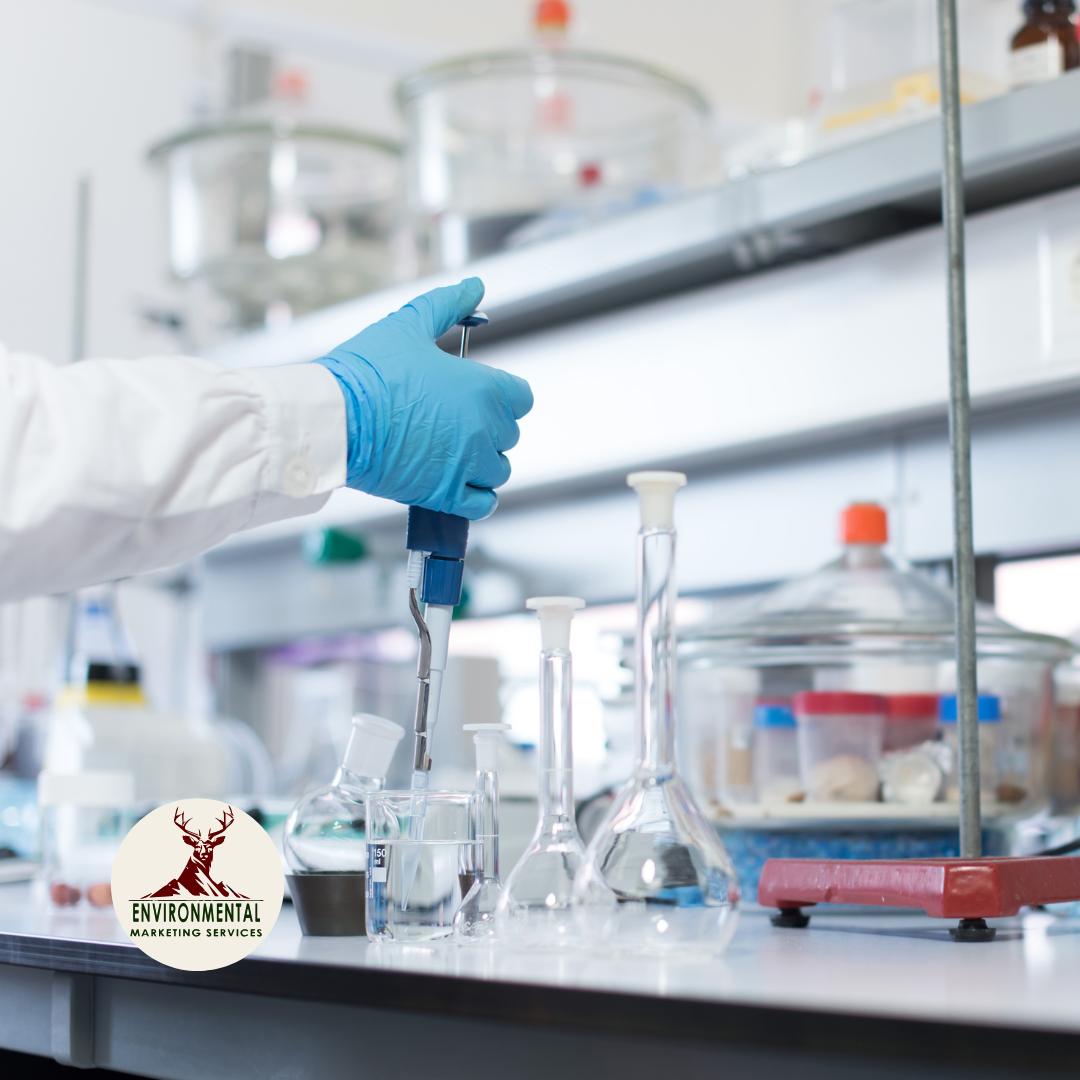
Protecting People and the Planet in Your Lab
Proper chemistry lab waste disposal is about more than passing audits. It protects your team from exposure, keeps hazardous materials out of the environment, and helps your organization avoid costly violations. When labs manage waste well, day-to-day work is safer, inspections are less stressful, and chemicals reach their final destination under control.
Industrial, research, and healthcare labs often generate similar waste streams, even if their work looks very different. Common materials include spent solvents, acids and bases, heavy metal solutions, reactive chemicals, flammable liquids, sharps, and universal waste like lamps and batteries. Non-hazardous waste may look simple, but it still needs correct handling so it does not get mixed with regulated materials.
At Environmental Marketing Services, based in Seneca, SC, and serving generators across most of the United States, we see how varied lab operations can be. We work with industrial, academic, healthcare, and other commercial labs, so we understand that each generator has unique needs and constraints. Our goal is to support safe, compliant disposal programs that fit the way your lab actually runs, not the way it looks on paper.
Understanding What Is in Your Lab Waste Stream
Effective chemistry lab waste disposal starts with knowing exactly what you are throwing away. In most labs, the waste stream includes a mix of chemical types. You might have halogenated and non-halogenated solvents, strong acids and bases, oxidizers, reactive chemicals, oily waste, metal containing solutions, contaminated glassware, and biological sharps from certain research or healthcare procedures. On top of that, there are universal waste items like fluorescent lamps, batteries, and some electronics, plus general non-hazardous trash.
Safety Data Sheets, or SDSs, are one of your best tools for getting this right. They describe chemical properties, hazards, and incompatibilities, which all feed into accurate waste characterization. A current chemical inventory, kept aligned with your SDS files, makes it much easier to identify unknowns, combine compatible wastes, and avoid bad guesses that can cause problems later in the disposal chain.
Not all lab waste is regulated the same way. Hazardous waste generally includes materials that are ignitable, corrosive, reactive, or toxic, or that appear on specific EPA lists. Non-hazardous waste does not meet those criteria, although some states add additional classifications. Universal waste is a special subset that covers certain widely generated items like lamps, batteries, and some pesticides and mercury-containing devices. Knowing which category each waste falls into affects how you collect it, how long you can store it, which labels you need, and what transport and treatment options are allowed.
Best Practices for Safe Segregation and Storage
Once you know what you have, the next step is to keep incompatible materials apart. Some of the most serious lab incidents happen when wastes are casually combined in the name of convenience. For example, acids and bases do not belong in the same container, oxidizers and organics should be stored separately, and flammable liquids must be kept away from oxidizers and sources of ignition. Peroxide formers, water reactives, and other special materials often need their own clearly marked containers and storage spots.
Proper containers make a big difference in safety. Use containers that are compatible with the waste inside, with tightfitting lids that stay closed except when you are adding material. Label every container as soon as you start using it, not later. At a minimum, lab containers should clearly show contents, hazard information, and accumulation start dates where regulations require that. Whenever possible, use secondary containment like trays or tubs so leaks stay contained and do not spread across a bench or floor.
Good accumulation areas keep waste controlled without slowing down lab work. These areas should have:
- Adequate ventilation for the types of waste stored
- Restricted access so only trained personnel handle containers
- Clear signage that matches your procedures and regulatory requirements
- Limits on storage time based on your generator status
- Regular inspections to catch full containers, labeling issues, or deteriorating storage
When these basics are in place, your lab is better prepared for audits, and near-misses are far less likely to turn into incidents.
Compliance Essentials Every Lab Should Know
Regulations shape almost every part of chemistry lab waste disposal, from the way you label a bottle to the way a truck leaves your site. EPA hazardous waste rules describe how to identify, store, and ship regulated waste. DOT requirements apply once waste leaves your building and enters transportation. On top of that, many states have their own rules that are more specific or more stringent than federal standards, so labs need to be aware of local expectations.
Your hazardous waste generator status is a key factor in your responsibilities. Very small quantity generators, small quantity generators, and large quantity generators each have different accumulation time limits, training requirements, and documentation obligations. If your lab grows or your processes change, your generator category can shift, and your waste procedures may need to be updated to match.
Reliable recordkeeping is one of the strongest signs of a well-managed program. Labs should maintain shipping manifests, labels, and other transport documentation, as well as hazard-communication materials, training records for staff, and written emergency response procedures. Working with permitted transporters and disposal facilities helps ensure that your waste is handled according to regulation at every step, which protects both your organization and the communities your waste passes through.
Building a Safer Lab Through Training and Preparedness
Even the best written procedures only work if people understand and follow them. Training is where chemistry lab waste disposal becomes part of your day-to-day lab culture. Staff should know how to recognize different waste types, how to segregate incompatible materials, how to label containers correctly, and what personal protective equipment is required for specific tasks. Training should also cover what to do with unknown chemicals, which often need special handling rather than guesswork.
Spills are a reality in lab environments, so it pays to plan ahead. Spill response training should explain when an in-house spill kit and trained personnel are enough, and when a spill is large or hazardous enough that evacuation and professional help are the safer choices. Even basic steps like alerting nearby staff, securing the area, and consulting SDSs can prevent a small problem from becoming a larger incident.
Simple tools can reinforce training without slowing down work. These include:
- Clear, consistent signage in accumulation areas
- Color-coded containers or labels for different waste streams
- Easy-to-find written procedures and quick-reference charts
- Regular short refresher sessions or toolbox talks
- Periodic drills for spill response and emergency procedures
When everyone in the lab understands their role and feels comfortable asking questions, compliance becomes part of routine work instead of a separate burden.
Partnering with Experts for Stress-Free Lab Waste Management
Many labs discover that managing waste in-house takes more time and attention than they expected. As research priorities shift, new products are introduced, or regulations change, gaps can appear between what the rules require and what is happening day to day. Periodically reviewing your chemistry lab waste disposal program, from container labeling to manifest management, can reveal opportunities to improve safety, reduce risk, and streamline processes.
Environmental Marketing Services works with industrial, laboratory, healthcare, and other commercial generators across most of the country to support those improvements. We provide services that span the full lifecycle of waste, from classification and packaging in the lab, through transportation, to treatment and final disposal. By aligning our support with your generator status, regulatory obligations, and operational needs, we help labs maintain safe conditions for staff and protect the environment, while keeping compliance as straightforward as possible.
Protect Your Lab With Reliable Waste Management Support
If your team is ready to streamline compliance and safeguard staff and students, we can help you build a practical plan for safe chemistry lab waste disposal. At Environmental Marketing Services, we handle the entire process so your lab can stay focused on research and instruction instead of regulations and paperwork. Reach out to us today through our contact page, and we will work with you to design a disposal solution that fits your lab’s specific needs.