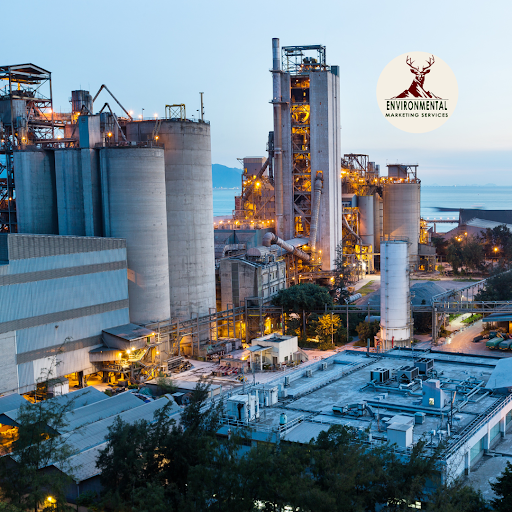
Protecting People, Property, and the Planet From Hazardous Waste
Hazardous waste is any material that can harm people, property, or the environment if it is not handled correctly. In a business setting, that can include spent solvents, lab chemicals, contaminated absorbents, acid and caustic residues, paint waste, oily rags, pesticides, batteries, fluorescent bulbs, and some electronics. These items may look harmless once they are in a drum or box, but they often remain reactive, toxic, or flammable long after your process is finished.
When hazardous waste is managed poorly, the consequences show up fast. Employees can be exposed to fumes, splashes, and incompatible reactions. Facilities can suffer fires, leaks, and equipment damage. Nearby soil and water can be contaminated, and regulators can respond with inspections, fines, and even shutdowns. Reputational damage can follow, especially if incidents affect the surrounding community.
Professional hazardous waste disposal services are a practical way to reduce those risks. By partnering with a qualified provider, industrial plants, laboratories, healthcare facilities, and other commercial operations can move waste off-site safely, choose appropriate recycling or disposal methods, and stay aligned with federal and state rules. At Environmental Marketing Services, LLC, based in Seneca, South Carolina, we see every waste stream as a responsibility to both your people and the planet.
What Counts as Hazardous, non-hazardous, and Universal Waste
Not all waste is regulated the same way, and that is where many businesses get confused. In general, your waste will fall into one of three broad categories: hazardous waste, non-hazardous industrial waste, or universal waste.
Hazardous waste is subject to some of the strictest environmental rules. It usually has one or more dangerous properties, or it appears on a specific regulatory list. Common generators include manufacturers, research labs, maintenance shops, and medical facilities.
Non-hazardous industrial waste covers materials that are not regulated as hazardous, but still need responsible handling. This might include certain sludges, absorbents, process residues, and general industrial byproducts that cannot go in regular trash. Proper disposal protects landfills, wastewater systems, and your liability.
Universal waste is a special category designed to make it easier to manage widely generated items like:
- Many types of batteries
- Fluorescent and other mercury-containing lamps
- Certain pesticides
- Certain mercury-containing devices and components
Regulators define hazardous waste using several characteristics. A waste is often considered hazardous if it is ignitable, corrosive, reactive, or toxic, or if it is listed by regulatory agencies because of its ingredients or origin. Correct classification is not just a paperwork exercise. It drives how waste is packaged, labeled, stored, transported, treated, and documented.
If a material is misclassified as non-hazardous when it should be hazardous, it can be packaged improperly, sent to the wrong facility, and recorded incorrectly on shipping documents. That increases risk along the entire chain, from your loading dock to the final disposal site. Clear classification keeps your waste streams organized and your compliance obligations easier to manage.
How Professional Hazardous Waste Disposal Services Work
Professional hazardous waste disposal services are structured to take your material from point of generation to final treatment or disposal in a controlled way. While every project is unique, most follow a similar end-to-end process.
It begins with waste profiling and analysis. Your provider reviews safety data sheets, process information, and sometimes laboratory results to determine how each waste stream should be classified and handled. From there, you get guidance on containerization and labeling so waste is packed in appropriate drums, boxes, or totes, with correct markings and hazard communication.
Once your waste is ready, pickups are scheduled according to your accumulation timelines and operational needs. On the day of service, the transporter prepares shipping papers and hazardous waste manifests as required. These documents track your waste from your site to the approved treatment, storage, or disposal facility.
At the final destination, your waste may go through:
- Recycling or reclamation of usable components
- Fuel blending for energy recovery
- Chemical treatment or neutralization
- Incineration for destruction
- Stabilization and secure landfill when no other options fit
Working with a provider that can manage both hazardous and non-hazardous waste, across multiple states, keeps your program simpler. You have fewer vendors to coordinate, fewer invoices to reconcile, and a single point of contact who understands your full waste profile and can route material to appropriate facilities.
Compliance, Regulations, and Your Legal Responsibilities
Hazardous waste is regulated at several levels. Federal agencies like the Environmental Protection Agency (EPA) and the Department of Transportation (DOT), along with state environmental and transportation agencies, all play a role. They set requirements for how waste is identified, stored, labeled, transported, treated, and documented.
As a generator, your responsibilities start the moment a hazardous waste is created. You are typically responsible for:
- Properly identifying and classifying each waste stream
- Using compatible, closed containers in good condition
- Labeling containers from the moment of generation
- Respecting accumulation time limits based on your generator status
- Maintaining emergency equipment and plans suited to your hazards
- Keeping records, manifests, and reports for required timeframes
These responsibilities do not end when the truck leaves your site. Generators often retain a level of accountability for where and how their waste is ultimately treated. That is why it is important to work with hazardous waste disposal services that understand federal and state rules, keep documentation accurate, and send material only to permitted facilities.
A qualified provider can support your compliance efforts with clear labels and shipping documents, organized manifest records, and consistent coordination of pickups so you stay within accumulation limits. Many businesses also lean on their providers for practical guidance on container management, segregation of incompatible wastes, and safe loading practices.
Choosing the Right Hazardous Waste Disposal Partner
Not all hazardous waste disposal services are the same. The right partner should bring technical knowledge, regulatory awareness, and reliable logistics to your operation. There are a few key factors worth evaluating before you sign a service agreement.
Look for proper licensing and permits for both transportation and the facilities receiving your waste. Review their safety record and insurance coverage so you know they are prepared to handle incidents if they arise. Experience with your specific industry, whether industrial manufacturing, laboratories, healthcare, or another commercial sector, can shorten the learning curve and lead to smoother projects.
It is also helpful to understand how they handle diverse waste streams. Can they manage hazardous, non-hazardous, and universal waste together, or will you need multiple vendors? Do they offer nationwide transportation coverage, or are they limited to certain regions? A provider with broad reach can coordinate routes more efficiently and maintain consistency across your locations.
Environmental Marketing Services, LLC serves generators across most of the United States from our base in South Carolina. By handling transportation, disposal, and recycling for a wide range of hazardous and non-hazardous wastes, we aim to simplify logistics and help customers reduce risk. Efficient routing and recycling options can also help control overall program costs over time.
Best Practices to Streamline Your Hazardous Waste Program
Even with a strong partner, your internal practices have a big impact on safety and compliance. A well-organized hazardous waste program starts with accurate information and consistent habits on the shop floor, in the lab, or in your facility’s maintenance areas.
Some practical best practices include:
- Maintain a current inventory of all waste streams and their profiles
- Label containers the moment waste is placed inside, not later
- Segregate incompatible materials and separate hazardous, non-hazardous, and universal wastes
- Keep containers closed except when adding or removing waste
- Train staff on spill response, labeling, and basic hazard recognition
Reducing the amount of hazardous waste you generate can lower both risk and cost. This might involve switching to less hazardous products where possible, refining process steps to cut down on off-spec material, or expanding recycling and reclamation options. Even small changes in purchasing policies or standard operating procedures can add up over time.
Finally, long-term relationships matter. When you work with the same hazardous waste disposal provider over multiple projects, they learn your operations, your typical waste profile, and your scheduling preferences. That familiarity supports recurring pickups, better planning for outages or shutdowns, and more effective emergency response arrangements. It also opens the door to ongoing program optimization, such as consolidating shipments or identifying additional materials suitable for recycling instead of disposal.
Take the Next Step Toward Safer Waste Management
Professional hazardous waste disposal services help protect your employees, facility, and community, while also supporting environmental stewardship. By correctly identifying your wastes, following storage and labeling rules, and partnering with a provider that offers compliant transportation, disposal, and recycling, you create a safer working environment and a stronger compliance posture.
The most effective programs start with an honest review of current practices. When you understand what you generate, how it is stored, how long it accumulates, and where it ultimately goes, it becomes easier to close any gaps and strengthen your overall waste management strategy. Environmental Marketing Services, LLC is focused on helping businesses across the country manage hazardous, non-hazardous, and universal waste more safely and efficiently, from initial assessment through final disposal.
Protect Your Facility With Compliant Waste Solutions
If you are ready to handle hazardous materials safely and stay compliant, our team is here to help you plan and manage every step. Explore our specialized hazardous waste disposal services to safeguard your employees, facility, and community. At Environmental Marketing Services, we work with you to design efficient, cost-effective solutions tailored to your operations. Have questions or need a quote fast? Just contact us and we will respond promptly.