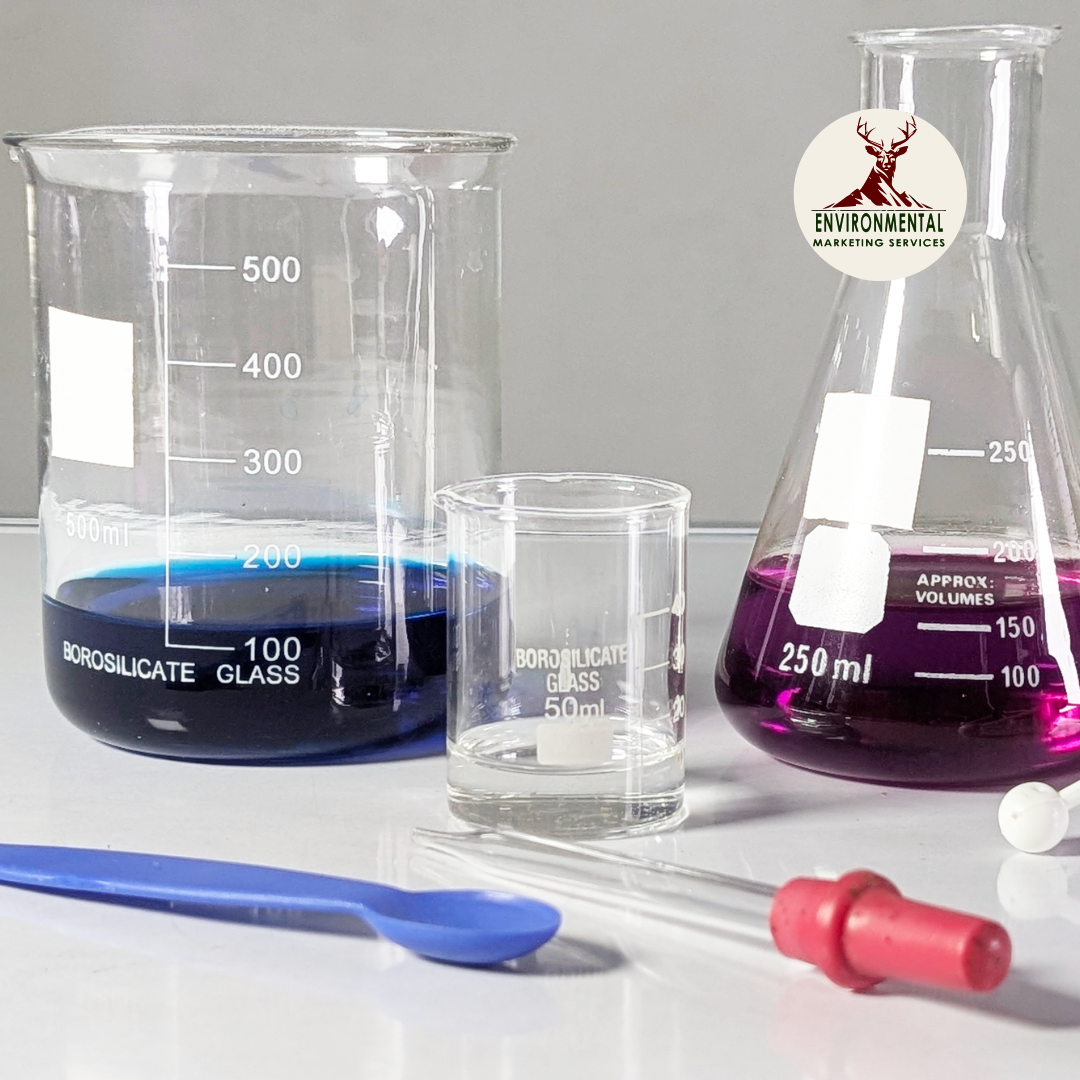
Chemistry lab waste disposal starts long before a container is full. Spent solvents, corrosive acids, contaminated gloves, sharps, outdated reagents, and other materials can put students, staff, visitors, emergency responders, and the environment at risk if they are handled carelessly. Poor waste practices may also create serious compliance and financial problems for your organization.
Waste management should be viewed as an ongoing safety program, not a cleanup task. Safe decisions begin at the bench and continue through storage, labeling, inspections, records, transportation, and final disposal. The following steps can help you build safer daily habits in your lab.
Identify Waste Before It Leaves the Bench
Every waste stream needs a clear identity before it enters a waste container. Document the chemical composition, physical state, concentration, quantity, hazard characteristics, and relevant Safety Data Sheet details for each material. Hazardous waste may be ignitable, corrosive, reactive, toxic, or listed under applicable federal or state rules.
Separating materials early helps prevent unsafe mixing and makes later disposal planning much easier. Common waste streams may include:
- Halogenated and nonhalogenated solvents
- Acids, bases, oxidizers, and reactive materials
- Heavy metal solutions and contaminated debris
- Sharps, universal waste, and empty chemical containers
- Outdated or unknown laboratory chemicals
Unknown materials deserve special care. Never combine an unlabeled bottle or mystery substance with another waste stream just to save container space. Instead, set it aside in a secure area and involve qualified laboratory leadership or environmental health and safety personnel.
Some materials may need separate programs altogether. Radioactive materials, biological waste, compressed gas cylinders, mercury-containing equipment, batteries, lamps, and electronic devices should not automatically enter your normal chemistry lab waste disposal process. Drain disposal, normal trash disposal, and evaporation are also not universal answers and may conflict with facility rules or regulations.
A current chemical inventory supports safer choices. Regular reviews can help your team avoid excess purchasing, spot aging chemicals before they become unstable, and prepare accurate waste profiles when off-site management is needed.
Create a Safe Segregation and Container System
Incompatibility is one of the biggest concerns in laboratory waste management. Acids should stay apart from bases, oxidizers from organic materials, and water-reactive chemicals from moisture. Mixing the wrong materials can create heat, pressure, toxic gases, fires, or explosions.
Container choice matters just as much as waste separation. Labs should use containers that are compatible with the material inside, in good condition, leakproof, and able to close securely. Liquids should have secondary containment, and containers should never be filled to the top. Leaving room helps account for expansion and allows safer handling.
Your designated accumulation area should be easy to access while staying away from drains, heat sources, and busy walkways. Depending on the waste involved, the area may also need suitable ventilation and ready access to spill-control supplies. Keep containers closed unless someone is actively adding waste.
Simple visual tools can reduce confusion, especially in busy teaching and research spaces. Consider posting compatible-container charts, color-coded signs, emergency contacts, and clear collection-point labels. When a waste stream is unclear, we recommend stopping the process and asking a supervisor or qualified safety contact before proceeding.
Label, Store, and Inspect for Fall Readiness
Labels should be added the moment waste first enters a container. A useful label is legible, durable, and specific enough to tell someone exactly what is inside. It should include chemical names, hazard information, accumulation dates when required, and the appropriate waste description.
Avoid vague labels such as “waste solvent,” “mixed chemicals,” or “unknown.” Those descriptions do not give workers or emergency responders enough information to handle the container safely. Accurate labeling also makes pickup planning and recordkeeping far more manageable.
Regular inspections help catch problems before they become emergencies. During inspections, your team should look for:
- Leaks, corrosion, bulging, or damaged containers
- Missing labels, loose caps, or unclear contents
- Incompatible materials stored too close together
- Damaged secondary containment or crowded storage areas
- Containers nearing their safe capacity or internal storage limits
Fall is a natural time for a laboratory reset. New academic terms, changing project schedules, new employees, and year-end inventory planning can all increase activity. This period is useful for retraining staff, reviewing chemical inventories, removing aging materials, checking emergency equipment, and inspecting accumulation areas before holiday staffing changes create gaps in oversight.
Training should match each person’s role. Researchers, technicians, custodial workers, facilities teams, and supervisors may encounter lab waste in different ways. Everyone should understand their responsibilities for personal protective equipment, spill response, reporting concerns, and avoiding unfamiliar containers unless they have qualified direction.
Plan Pickup and Keep Clear Records
Once waste is identified, packaged, labeled, and safely stored, your lab needs a dependable off-site plan. Chemistry lab waste disposal can involve transportation rules, packaging requirements, shipping documents, and waste regulations, especially when hazardous materials move under U.S. Department of Transportation requirements.
Working with a qualified waste management provider can help your organization profile materials, coordinate pickups, prepare needed documents, and direct waste to the proper treatment, recycling, or disposal channel. Generator responsibility does not simply disappear when waste leaves your facility, so organized records remain important.
Documentation may include waste profiles, inspection logs, training records, shipping papers, manifests when applicable, certificates of disposal or recycling, and vendor communications. Keeping these materials organized can support compliance reviews, internal audits, sustainability reporting, and incident follow-up.
Rather than waiting until storage areas are crowded, establish practical pickup triggers. Your trigger may be tied to container capacity, the end of a project, a seasonal cleanout, or a regular quarterly review. Coordinate transportation and disposal arrangements with a qualified provider that can handle the applicable hazardous, non-hazardous, and universal waste streams.
Make Safe Waste Practices Part of Daily Lab Work
A safer lab is built through consistent choices at every stage of handling waste. Accurate identification, thoughtful separation, clear labels, secure storage, routine inspections, role-specific training, and organized pickup planning all work together to protect the people around your laboratory.
Before fall projects, annual inventory reviews, or staffing changes add more pressure, take time to find gaps in your current process. Pay close attention to unknown chemicals, aging containers, incomplete labels, and overcrowded accumulation areas. Addressing those issues early can help your team maintain a safer, more orderly chemistry lab waste disposal program.
Build A More Reliable Waste Management Plan
Environmental Marketing Services provides practical support for laboratories that need dependable chemistry lab waste disposal solutions. Our team can help you manage hazardous materials responsibly while keeping your operations organized and compliant. Contact us to discuss a service plan tailored to your lab’s needs.