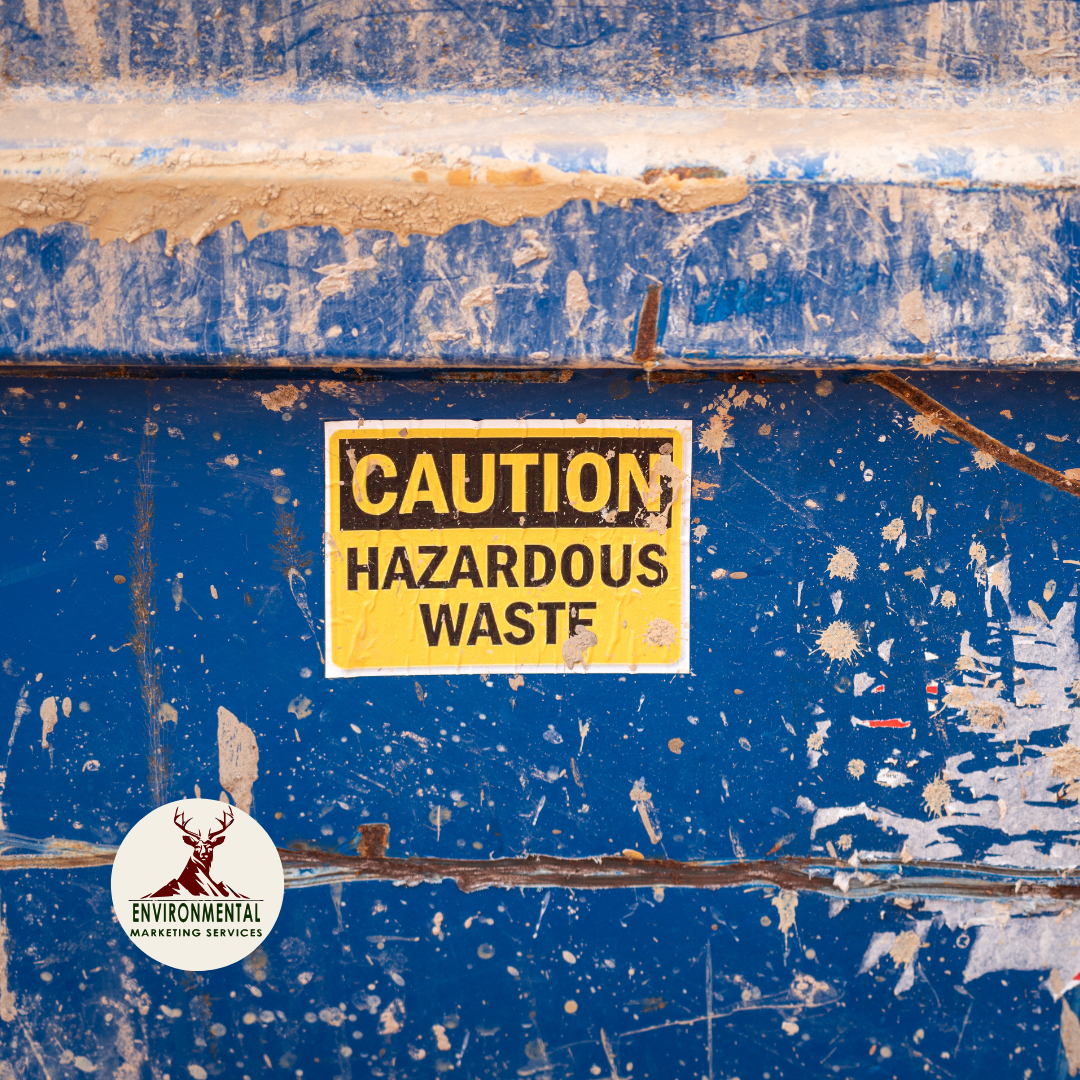
Protecting Your Business with Smart Hazardous Waste Management
Hazardous waste touches almost every commercial and industrial operation, even when it is not the core of what you do. Spent solvents, lab chemicals, leftover paints, batteries, fluorescent lamps, contaminated absorbents, and other byproducts can all be regulated as hazardous waste. Once these materials are generated, you are responsible for managing them safely and in line with federal and state rules.
Mismanaging hazardous waste can put your business, your people, and your community at risk. Consequences can include regulatory fines, forced shutdowns, long-term liability for cleanup, worker injuries, and environmental damage that is expensive and time-consuming to correct. Professional hazardous waste disposal services give your facility a structured, compliant way to handle these materials so you can focus on production, research, or day-to-day operations with more confidence.
At Environmental Marketing Services, LLC, based in Seneca, South Carolina, we work with industrial and commercial generators across the country to move waste out of their facilities safely, legally, and cost-effectively. By understanding what you generate, how it is classified, and how it should be transported and disposed of, you lower risk while strengthening a safety culture and operational efficiency.
Understanding Your Waste Streams and Generator Status
The first step in safer hazardous waste management is knowing what you have. Regulations draw a clear line between hazardous, non-hazardous, and universal waste, and that classification drives how you must store, label, and ship each material.
Hazardous waste generally includes materials that are ignitable, corrosive, reactive, or toxic. This can include things like spent solvents, certain lab reagents, or corrosive cleaning chemicals. Non-hazardous waste still needs proper management but does not meet hazardous criteria. Universal waste is a special category for certain widely generated wastes, such as fluorescent lamps, some batteries, and certain pesticides, which can be managed under streamlined rules if handled correctly.
Generator status is another key piece. Facilities are usually categorized as Very Small Quantity Generators, Small Quantity Generators, or Large Quantity Generators based on how much hazardous waste they generate in a month. As your monthly volume increases, so do your responsibilities and recordkeeping requirements. Getting that status wrong can create compliance gaps.
A qualified provider like Environmental Marketing Services can help by profiling each waste stream. That often includes reviewing Safety Data Sheets, collecting samples when needed, and characterizing waste so its classification is clear. With accurate information, we can help you separate hazardous, non-hazardous, and universal wastes so each one follows the right path from storage through final disposal.
Compliance Essentials Every Facility Should Know
Once your waste is identified, it has to be managed according to federal and state rules. At the container level, that generally means proper labeling, keeping containers closed when not in use, and storing waste in compatible containers in good condition. Accumulation points must be managed so time limits are not exceeded and incompatible materials do not mix.
Documentation is just as important as physical handling. Hazardous waste shipments usually require manifests that track material from your facility to the final treatment, storage, or disposal site. Land Disposal Restriction forms may also be required so the receiving facility understands how the waste must be treated before disposal. These documents protect you by showing that you sent your waste to properly permitted facilities.
Employees who handle hazardous waste need training that matches their roles. Topics often include correct labeling, spill response, personal protective equipment, emergency procedures, and when to stop work and report a concern. Without training, even a good written program can fall apart in daily practice.
Experienced hazardous waste disposal services help you stay organized. By supporting recordkeeping, maintaining consistent documentation, and preparing you for inspections, a strong partner reduces the chances of missed labels, expired accumulation times, or incomplete manifests that can result in violations.
How Professional Hazardous Waste Disposal Services Work
When you work with a professional provider, the hazardous waste management process follows a clear path. It usually begins with an on-site assessment and waste review so we understand what you generate, how it is stored, and your current removal schedule. From there, each waste stream is identified, profiled, and classified so the right packaging, labels, and disposal methods can be chosen.
Next comes onsite work. Wastes are packaged in appropriate drums, boxes, or bulk containers, then labeled according to regulatory requirements and shipping rules. Transportation is handled by properly permitted carriers that understand hazardous materials handling and have the right insurance and equipment for safe loading, transit, and unloading.
Once waste leaves your site, it moves to treatment or disposal facilities that match its characteristics. That can include options such as treatment, recycling where appropriate, or disposal in suitable facilities. Throughout this chain, the manifest system helps document each handoff and the final destination.
Environmental Marketing Services coordinates these steps nationwide, arranging pickups that match your volumes and operational needs. When practical, we consolidate loads to help lower transportation costs while still meeting regulatory requirements. We also focus on pairing each waste stream with compliant, cost-effective treatment and disposal options, so safety and cost control work side by side.
Practical Tips to Reduce Costs and Improve Safety
Good hazardous waste management is not just about removal; it is also about reducing how much you generate and lowering risk inside your facility. Source reduction is a powerful tool. That can include adjusting processes to use less hazardous materials, or switching to less hazardous products when they still meet your performance needs.
Better inventory control can also shrink hazardous waste volumes. When materials expire on the shelf, they often become waste that must be managed as hazardous. Simple steps like tracking expiration dates, buying realistic quantities, and standardizing chemical purchases across departments can keep waste down.
Segregation is another area where small changes pay off. When hazardous and non-hazardous wastes mix, the whole mixture may need to be handled as hazardous, which increases disposal costs. Keeping streams separate, labeling clearly, and training employees to avoid mixing can reduce disposal volumes.
For storage and handling, focus on:
- Choosing containers that are compatible with the waste
- Using secondary containment for liquids to capture leaks
- Keeping containers closed when not actively adding waste
- Labeling containers as soon as waste is added
- Inspecting storage areas regularly for damage or spills
Regular reviews with your hazardous waste disposal services provider can also highlight opportunities. As regulations change or your processes evolve, pickup schedules, packaging methods, and disposal options might need updating. Ongoing communication helps catch those shifts early so you stay aligned with current requirements.
Choosing the Right Partner for Long-Term Compliance Confidence
Selecting hazardous waste disposal services is a long-term decision that affects safety, cost, and compliance. When you evaluate vendors, it helps to look closely at several points.
Key factors to consider include:
- Appropriate permits for transportation, management, and disposal
- Experience with your specific industry and waste types
- Safety record and commitment to worker and community protection
- Insurance coverage that matches your risk tolerance
- Clear, transparent pricing and invoicing
- Ability to handle hazardous, non-hazardous, and universal waste
Working with Environmental Marketing Services gives you a single point of contact for transportation, management, and disposal across the country. From our base in Seneca, we support industrial and commercial generators in building programs that are practical on the shop floor and consistent with regulatory expectations. By understanding your operations, reviewing your waste streams, and keeping documentation organized, we help your team maintain safer, more compliant waste practices as your facility grows and changes.
Protect Your Facility With Compliant Waste Solutions
If you are ready to manage your waste safely and stay in full regulatory compliance, our team is here to help. Learn how our hazardous waste disposal services can be tailored to your specific materials, timelines, and reporting needs. At Environmental Marketing Services, we handle the logistics and documentation so you can stay focused on your operations. Reach out through our contact page to schedule a consultation or request a quote today.