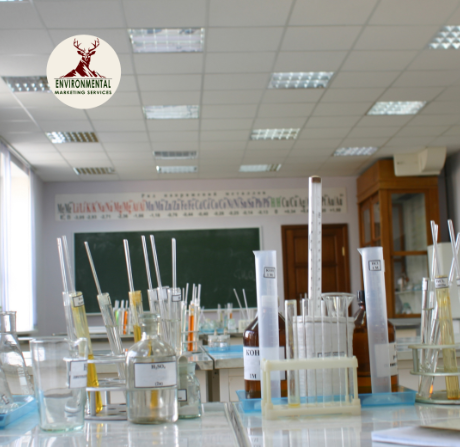
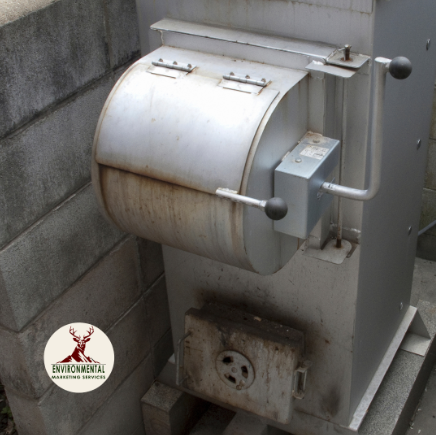
Proper laboratory waste disposal is crucial for maintaining a safe and clean environment in any research facility. Laboratories, whether in schools, hospitals, or industrial settings, generate a variety of waste materials that need careful handling. If not managed correctly, these wastes can pose significant risks to both human health and the environment. Understanding how to effectively dispose of laboratory waste helps in minimizing these dangers and ensures compliance with regulatory standards.
Improper waste disposal can lead to severe consequences such as contamination of water and soil, exposure to harmful substances, and legal liabilities for failing to meet disposal guidelines. Labs often handle chemicals and biological materials that require specialized handling procedures to prevent accidents. Mishandling chemicals, for example, can result in hazardous spills or toxic exposure, making a structured disposal plan not just practical but necessary.
Types of Laboratory Waste
Laboratories produce several types of waste, each requiring specific disposal methods. Knowing how to categorize and manage each type is key to keeping people safe and meeting environmental standards.
1. Chemical Waste: Includes solvents, acids, and other reactive substances. These materials need to be stored in designated chemical containers that can safely prevent leaks or chemical reactions.
2. Biological Waste: Consists of substances like blood, tissue, cultures, and other potentially infectious material. This type of waste must be sterilized and disposed of following biological hazard protocols to avoid contamination or disease transmission.
3. Radioactive Waste: Often generated in labs involved in nuclear medicine or research that uses radiological substances. These materials must be handled with extreme caution, using shielding containers and following strict procedures to contain radiation exposure.
4. General Waste: Includes items like paper, lab notebooks, empty containers, and broken glassware that aren’t contaminated. While these are generally not hazardous, proper disposal and recycling practices are still important to reduce landfill waste.
Each category of waste has specialized disposal guidelines that must be followed. Chemical waste may require neutralization or stabilization. Biological waste is commonly incinerated or autoclaved. Radioactive materials often require decay-in-storage procedures before they can be handled as non-radioactive waste.
Best Practices for Laboratory Waste Disposal
To handle laboratory waste responsibly, labs should incorporate well-established practices that support safety and compliance.
– Proper Segregation: Waste should be separated correctly at the source using clearly marked containers. Labeling helps prevent mixing incompatible waste types, which could lead to hazardous situations.
– Use of Appropriate Containers: Use containers that are suited to the material being stored. Sharps need puncture-resistant containers. Liquids should be held in leak-proof, chemical-resistant vessels.
– Regular Training: All personnel should go through training in waste handling practices. Continuous training helps reinforce safe habits and minimizes errors.
– Routine Inspections: Conduct checks on waste storage areas regularly. This ensures that procedures are being followed, and it helps detect problems early before they develop into hazards.
– Documentation: Keeping detailed records of the types and quantities of waste produced, along with how they’re disposed of, not only proves compliance but improves accountability.
These best practices create a consistent method for managing waste, which contributes to a safer lab atmosphere and smoother operations.
Regulatory Compliance and Legal Requirements
Managing laboratory waste isn’t just good practice. It’s often a legal requirement. Federal, state, and local agencies have rules in place that labs must follow if they handle hazardous or regulated materials.
1. Federal Regulations: The Environmental Protection Agency (EPA) oversees policies involving hazardous waste. These include waste classification, labeling, storage, and disposal. Facilities are required to identify if their waste is hazardous and must treat or dispose of it through approved methods.
2. State Guidelines: State rules can vary, with some imposing additional regulations above the federal minimum. Labs must be aware of specific state-level requirements affecting how certain waste types are handled.
3. Safety Standards: The Occupational Safety and Health Administration (OSHA) sets safety standards that apply to lab staff working with potentially dangerous materials. These include training requirements, use of personal protective equipment (PPE), and protocols for handling emergencies.
Following these laws helps labs prevent penalties and protect the well-being of employees and surrounding communities. It also supports a culture of accountability and environmental care.
Choosing the Right Waste Disposal Partner
Partnering with the right waste disposal service is one of the most important decisions a laboratory can make. Not every provider will have the experience or scope needed to meet laboratory-specific needs.
– Experience and Expertise: Your disposal partner should be familiar with the full spectrum of waste types produced in labs. It helps to work with professionals who understand the challenges and risks that come with chemical, biological, and radioactive materials.
– Comprehensive Services: Ensure the provider can manage the entire disposal process, including waste pickup, transport, treatment, and documentation.
– Transparency and Documentation: A capable partner will keep records of all disposal activities and provide compliance reports as needed. This helps streamline audits and inspections.
– Responsive Customer Support: Problems can arise unexpectedly. It’s important to have access to a support team that can provide timely answers and solutions.
A dependable partner not only takes on the operational load of waste removal but also ensures that best practices and legal obligations are continuously met.
Supporting Safe Practices for the Future
Proper laboratory waste management has long-term benefits that reach beyond the lab walls. Preventing contamination, reducing risk, and lessening environmental harm all stem from safe and consistent disposal practices. Continual employee training reinforces good habits and makes sure that even new team members maintain the same standards.
As environmental regulations evolve, staying current with law changes and best practices keeps labs responsibly ahead of the curve. Advances in waste treatment and tracking technology, for example, may offer opportunities to improve internal processes and further reduce environmental impact.
Thinking long-term means building a lab culture centered on responsibility and awareness. Protecting people and the planet starts with handling even the smallest items correctly. By focusing on safety, compliance, and smart partnerships, laboratories remain well-equipped for lasting success.
Understanding proper management of laboratory waste is the foundation for maintaining safe environments and ensuring regulatory compliance. If you’re looking to optimize your waste disposal strategies, consider exploring our hazardous waste services at Environmental Marketing Services. With the right approach, you can ensure safety and sustainability while upholding the highest standards in waste management.