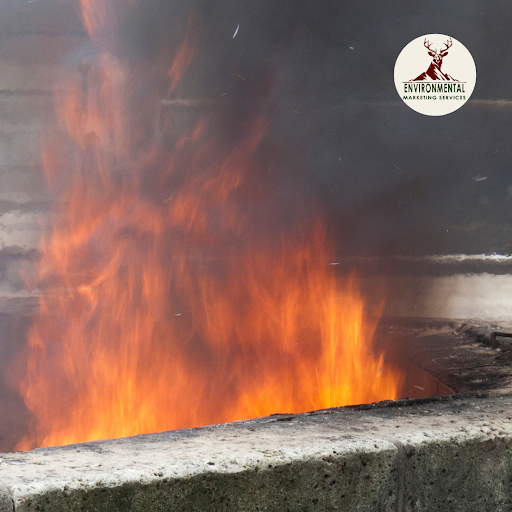
Protecting People and the Planet with Safer Incineration
Hazardous waste incineration is one of the most tightly controlled methods of hazardous disposal, and for good reason. When done correctly, it destroys dangerous chemicals and reduces waste volume, helping keep workplaces, communities, and the environment safer. Commercial and industrial facilities rely on high-temperature incineration when other treatment or recycling options are not appropriate for the type of waste they generate.
When hazardous disposal is mishandled, the risks are serious. Workers can be exposed to toxic fumes or chemical reactions, surrounding communities can face air and water contamination, and businesses may be left with regulatory violations and damaged reputations. As a nationwide waste management company based in Seneca, South Carolina, we at Environmental Marketing Services, LLC partner with organizations across the country to manage those risks by arranging safe transportation, disposal, and recycling for hazardous, non-hazardous, universal, and chemical wastes.
In this guide, we will walk through how hazardous waste incineration actually works, what regulations apply, and the practical steps that generators can take to improve safety and efficiency. We will also look at what to consider when choosing an incineration and disposal partner, and how a strong hazardous disposal program can support long-term environmental and ESG goals.
How Hazardous Waste Incineration Actually Works
Effective incineration starts long before waste reaches the combustion chamber. First, waste must be properly characterized and segregated. That means identifying each waste stream, understanding its chemical composition, physical state, and potential hazards, and separating incompatible materials. Correct profiling is essential, because it determines how the waste can be stored, transported, and ultimately treated.
Once waste is profiled and approved, it is sent to an incinerator designed for that type of material. High-temperature combustion breaks hazardous compounds down into simpler, less harmful substances. Primary chambers reach very high temperatures and maintain them long enough to achieve thorough destruction, often followed by a secondary chamber that helps complete combustion and reduce organic pollutants in the flue gas.
Different incinerator designs handle different wastes more effectively. Common systems for hazardous disposal include:
- Rotary kiln incinerators, often used for solids, sludges, and containerized wastes that require mixing and long residence time
- Liquid injection incinerators, designed for pumpable liquid wastes that can be sprayed directly into a high temperature zone
- Controlled air or modular systems, typically used for specific solid wastes where staged combustion helps limit certain emissions
Even the best combustion system is only part of the story. Modern hazardous waste incinerators rely heavily on auxiliary equipment to manage emissions and residues. Gas treatment may include scrubbers that remove acid gases, fabric filters or baghouses that capture particulates, and activated carbon systems that target certain organic compounds or metals. Continuous emissions monitoring systems track key pollutants and operating parameters, helping facilities stay within their permit limits and document compliance.
Ash and other solid residues are also carefully managed. These byproducts are sampled, analyzed, and then either stabilized and landfilled at approved sites or sent through additional treatment if needed. The goal is always the same: keep hazardous constituents out of the air, soil, and water while safely closing the loop on each waste stream.
Regulatory Framework and Compliance Essentials
Hazardous waste incineration in the United States is shaped by several major federal laws and related regulations. The Resource Conservation and Recovery Act (RCRA) sets the framework for identifying hazardous waste, requirements for generators, and standards for treatment, storage, and disposal facilities. The Clean Air Act governs air emissions and supports specific standards for incinerators that burn hazardous waste, which are then implemented through facility permits and performance limits.
For generators, the responsibilities begin at waste generation, not at the incinerator gate. Key obligations typically include:
- Correctly classifying waste as hazardous or non-hazardous based on regulatory definitions
- Assigning accurate waste codes and preparing detailed profiles
- Following storage time limits and container management rules
- Using proper hazardous waste manifests and shipping papers
- Maintaining records, training staff, and being prepared for inspections and audits
Because regulations are detailed and can change over time, many organizations choose to work with a waste management company that understands hazardous disposal requirements. A knowledgeable partner can help with proper profiling, coordinate permitted transporters and treatment facilities, and support documentation that ties each load of waste to the correct manifest, profile, and final disposal method. This reduces the risk of errors that might lead to violations or unsafe conditions.
Best Practices for Safe and Efficient Hazardous Disposal
Good hazardous disposal starts with thoughtful waste profiling and segregation. Grouping compatible wastes and separating incompatible chemicals reduces the chance of unwanted reactions in containers, trucks, or at the incinerator. It also helps incineration facilities optimize combustion conditions and can reduce treatment costs by avoiding unnecessary mixing of high and low hazard streams.
Generators can strengthen their programs by focusing on a few practical steps:
- Develop clear internal procedures for sampling, profiling, and approving new waste streams
- Train employees to recognize incompatible materials and follow segregation rules
- Keep storage areas organized with dedicated, labeled zones for each waste type
- Review profiles periodically to ensure they still match current processes
Safe handling and packaging is just as important. Containers should be compatible with the waste, in good condition, properly closed, and clearly labeled with contents and hazard information. During loading and transport, employees should follow appropriate personal protective equipment requirements and use equipment that is suited to the waste type, such as drum handling tools and secondary containment.
Not every waste needs to be incinerated. In many cases, recycling, beneficial reuse, or fuel blending can reduce the volume that must go to high-temperature treatment. For example, some solvent streams may be suitable for recovery, while certain organic wastes can be used as fuel in approved systems. By working with a provider that offers multiple options, generators can often lower total disposal volumes, reduce environmental impact, and better align with corporate sustainability targets.
Choosing the Right Incineration and Disposal Partner
Selecting a hazardous disposal partner is one of the most important safety decisions a generator makes. At a minimum, any provider involved with your waste should hold appropriate permits and insurance and have a strong safety record. It also helps to understand the range of treatment options they can arrange and whether they work with facilities that operate different incinerator types to match your specific streams.
When evaluating providers, consider questions such as:
- Do they coordinate both transportation and final disposal, or only one piece of the process?
- Can they handle hazardous, non-hazardous, universal, and chemical wastes from your sites?
- How wide is their geographic coverage, and can they support facilities in multiple states?
- Do they offer recycling or fuel blending options where appropriate?
As a nationwide waste management company, Environmental Marketing Services, LLC works with commercial and industrial clients across 47 states, providing transportation, disposal, and recycling solutions. By managing both hazardous and non-hazardous streams, we help multi-site operations consolidate vendors, simplify documentation, and build programs that take into account the full life-cycle of each waste, not just its final destination.
Turning Compliance Into a Long-Term Sustainability Strategy
Hazardous waste incineration is often viewed as a regulatory obligation, but it can also be a meaningful part of a broader environmental strategy. When we help clients strengthen their hazardous disposal programs, we look beyond basic rule compliance toward long-term goals such as waste reduction, safer work environments, and stronger community trust.
Practical next steps might include conducting a waste stream audit, reviewing how each waste is currently handled, and identifying opportunities to increase recycling or shift suitable materials from disposal to recovery. Generators can also reassess their current vendor mix, verifying permits, performance, and service levels, and considering where more integrated solutions might bring better safety, cost control, and sustainability over time. With a thoughtful approach, hazardous waste incineration becomes one piece of a larger effort to protect people, property, and the environment while supporting the long-term success of your business.
Protect Your Facility And Community With Compliant Hazardous Disposal
If you are ready to manage hazardous materials more safely and meet regulatory requirements with confidence, we are here to help. Our experts handle every step of hazardous disposal, from assessment and packaging to transport and documentation. Reach out to Environmental Marketing Services so we can review your current practices and identify safer, cost-effective solutions tailored to your operations. Have questions or need a quote fast? Simply contact us and we will respond promptly.